

Introduction
Many classic parenting books offer this advice: overprotecting a child hinders their development. Children typically learn through trial and error. While this is generally sound advice, it doesn't always apply to parents raising a child with attention-deficit/hyperactivity disorder (ADHD).
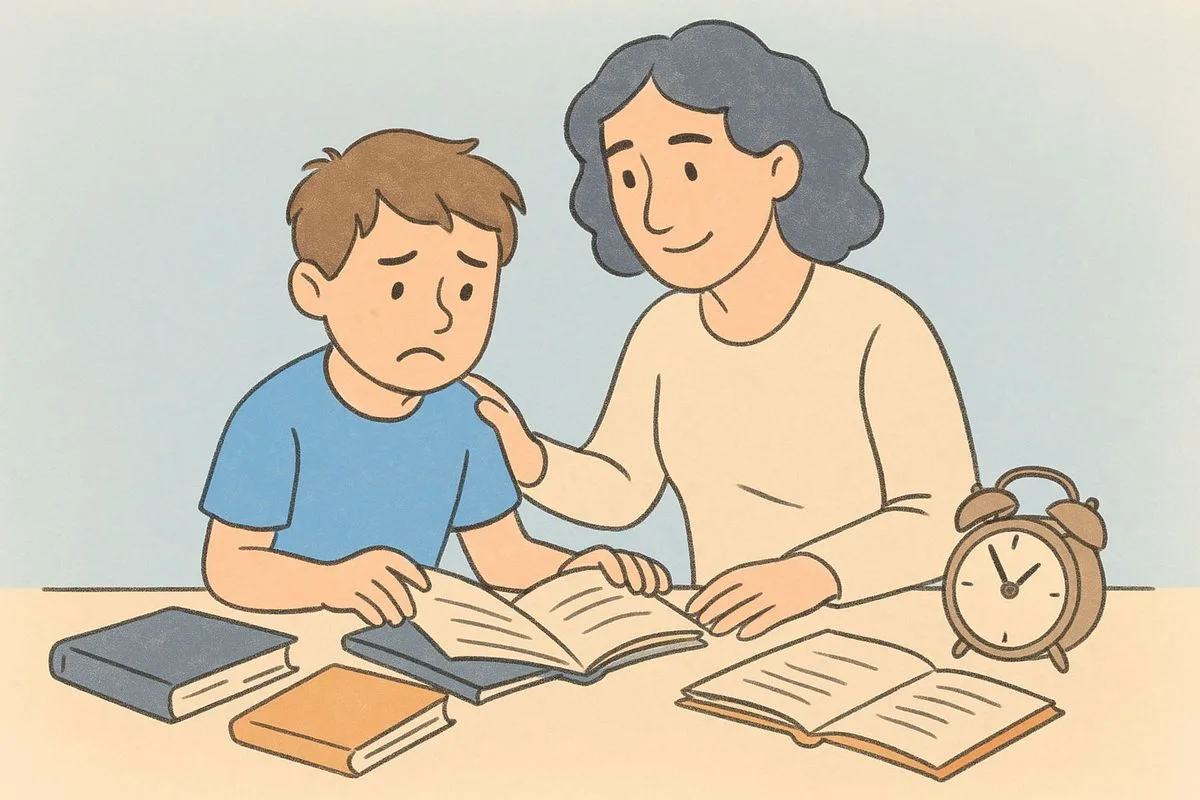
Active parental involvement plays a key role in raising a child with ADHD. So there's no need to feel like a "helicopter parent" or feel guilty about being closely involved. Ignore anyone who tells you you're doing too much. Instead, focus on the support your child actually needs, gradually stepping back as their independence grows.
What You Should Do:
- Meet with the teacher before the school year begins
- Educate teachers about the specifics of ADHD
- Share your child's strengths, weaknesses, interests, and achievements
- Get to know the school psychologist
- Join parent committees
- Maintain a strict home routine (mealtimes, bedtime, homework schedule)
1. Success at School Is the Best Therapy
For a child with ADHD, success at school is a powerful therapeutic tool, comparable in effect to regular psychotherapy sessions. If children don't understand the material or can't keep up with assignments, they can't be happy. Want your child to be happy? Help them succeed!

2. A Developmental Delay of Up to 3 Years
Children with ADHD are often "late bloomers" — their development can lag behind by up to 3 years, and the brain continues maturing well into their 30s. We expect them to keep pace with their peers, but in reality they need more help and more time. Without parental support, they risk falling behind academically.

3. 50% of Children with ADHD Have Learning Difficulties
Many problems go unnoticed because parents attribute them to ADHD. Joint attention from parents and teachers helps identify co-occurring conditions early. An unfavorable learning environment (for example, conflict with a strict teacher) can raise cortisol levels, which impairs the ability to learn.

4. Executive Function Deficits
Difficulties with planning, organization, and self-control often have a greater impact than the core symptoms of ADHD. In the early grades, teachers help children with time management, but expectations rise as children get older. Understanding these challenges and developing strategies to address them will help your child keep pace with peers.
5. Developing an Individualized Education Plan
At the start of the school year, the teacher may know nothing about your child. It's important to discuss the necessary supports and accommodations with the teacher in advance to create optimal learning conditions.

6. A Crisis Action Plan
Emotional outbursts can derail the learning process. Work with your child to develop:
- Plan A: what to do and where to go when overstimulated
- A backup Plan B for when the first option isn't possible
- A communication system with the school

Conclusion
For children with ADHD, an actively engaged parent is critically important. Facing additional challenges — developmental delay, learning difficulties, executive function deficits — these children especially need their parents' support and advocacy.
Close collaboration with the school and a deep understanding of your child's unique needs will help create the conditions for their success in school and in life. Don't put it off — take the first step today toward actively participating in your child's education.
If you feel you lack the knowledge or skills to support your child, don't hesitate to reach out to specialists. A consultation with an experienced psychologist or neurologist specializing in ADHD can help you develop an individualized strategy tailored to your child's unique needs. Schedule a consultation today and take an important step toward your family's happier future.