Introduction
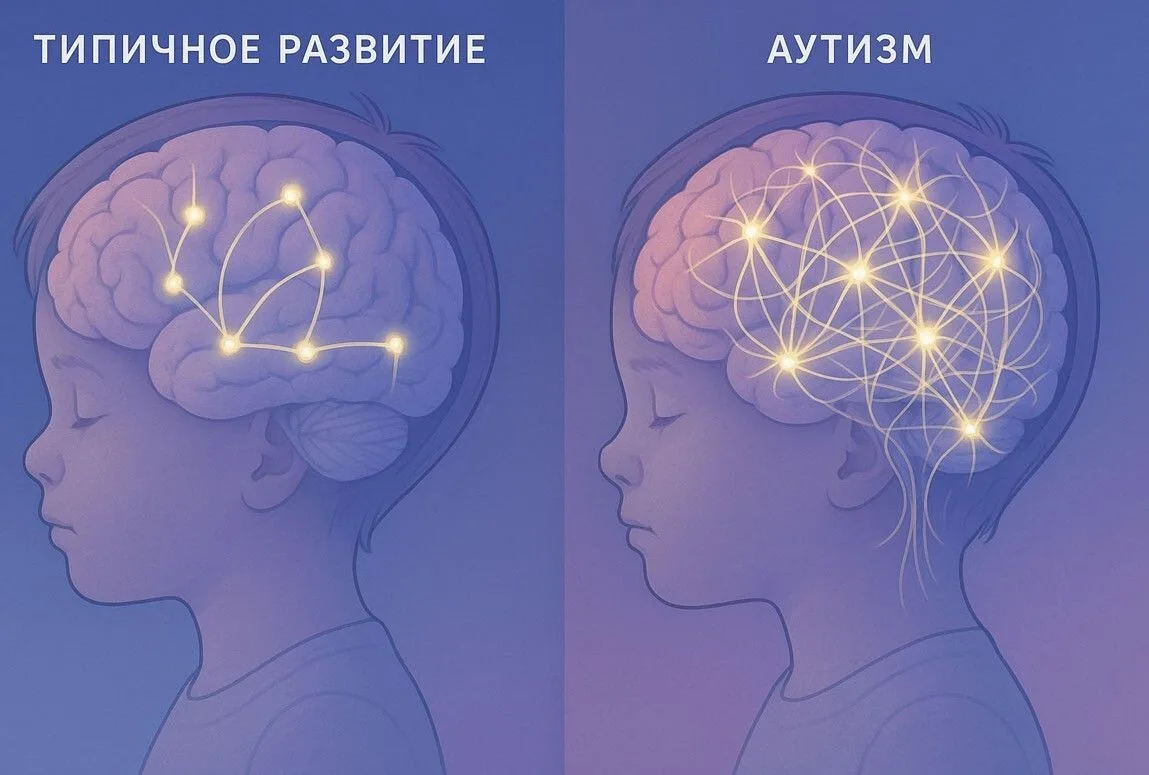
Autism is a neurodevelopmental disorder that affects social interaction, communication, and behavior. Many parents, upon receiving this diagnosis, find themselves asking whether it can be cured, what kind of help is available, and how to reorganize family life around it. In this article, we look at the key questions that can help parents better understand their child's condition and choose the right path toward rehabilitation.
Can autism be cured?
Autism is not a disease in the classical sense — unlike, say, a stomach ulcer or a tumor, it cannot be removed with medication or surgery. It is a developmental disorder whose causes are still not fully understood, and there is no specific drug treatment for it. That doesn't mean improvement isn't possible.
According to the American Academy of Pediatrics, about 9% of children diagnosed with autism between ages 2 and 4 no longer meet the diagnostic criteria for the disorder by school age, provided they receive intensive, consistent therapy. These cases are sometimes described as the child "losing the diagnosis." These children go on to attend mainstream schools, and as adults their behavior and social skills are close to typical.
A study from Boston Children's Hospital found similar results: among children diagnosed between 12 and 36 months of age, autism was no longer confirmed in 37.1% of them by ages 5 to 7. This applies specifically to early childhood — particularly before age 6, when the brain is at its most plastic. That said, researchers are careful to note that a full "cure," or a guarantee that symptoms won't return later, cannot be promised.

Can autism resolve on its own?
One thing can be said with confidence: without evidence-based intervention, autism does not resolve on its own.
There are exceptions. Some children with a high IQ and mild autism become aware of their own differences over time and learn to mask them. From the outside they may seem entirely typical, but in stressful situations, or whenever self-control lapses, the underlying symptoms tend to resurface. Even in those who appear fully adapted, subtle autistic traits are often noticeable to someone who knows them well.
In terms of social functioning, a small share of people with a high IQ and mild autism do go on to integrate successfully into society and achieve real success in particular fields.
Should a parent give up work for rehabilitation?
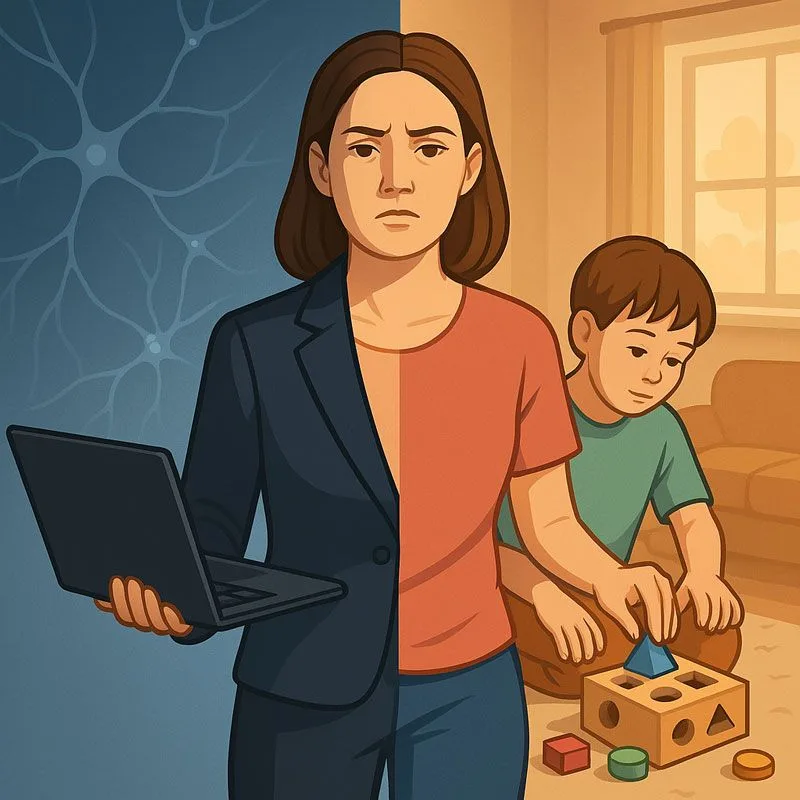
When a child is diagnosed with autism, many parents start wondering whether one of them should quit their job to focus entirely on rehabilitation.
The answer depends on several factors: the family's financial situation, the nature of the parents' work, and personal values. Different cultures approach the tradeoff between career and caregiving very differently.
There's no question that if one parent can devote themselves fully to rehabilitation, it helps. Experience over recent years shows that children with autism make noticeably faster progress when parents spend more time with them directly.
That said, there are a few things worth weighing carefully:
- Women with an established career should think this decision through carefully. Stepping away from work is not a small thing. Constant caregiving, household responsibilities, and the loss of social contact and professional fulfillment can lead to burnout.
- A flexible work schedule opens up the option of a temporary break. Ages 0 to 6 are a golden window for brain development, and many families try to make the most of this period for early intervention. If it's feasible, taking a temporary step back from work — with a plan to return to a career later — can be worthwhile.
- Support from grandparents or professional caregivers. If both parents work but grandparents are active, capable, and willing, they can take on part of the caregiving. If finances allow, hiring a specialist or a nanny is another option.
- Balancing work and caregiving. If you choose this path, it's important to still make time to learn about autism and rehabilitation methods. And remember: the time you do spend with your child is never wasted.
What to do after the diagnosis?
Treating autism is a long journey, and parents need time to come to terms with the diagnosis. Here is what matters most in the beginning:

- Accept the situation. Many parents initially struggle to come to terms with the diagnosis and find themselves asking, "Why does my child have autism? Why won't he listen? Why won't he make eye contact?" But it's essential to love and accept your child unconditionally. As a line from the film "The Wanying Brothers," based on a true story, puts it: "Every person has their own path." Progress only comes with a positive outlook and support from specialists.
- Start evidence-based rehabilitation as early as possible. This matters most for young children, since early intervention consistently produces better outcomes.
- Learn about autism and about treatment methods. There is a lot of unverified information online, so it's important to be selective about sources. The organization Autism Speaks publishes a "100 Day Kit" for newly diagnosed families — a genuinely useful resource that answers questions about the causes of autism, therapy methods, and rehabilitation programs.
- Seek support from family and community. Don't hide the diagnosis out of fear of judgment — secrecy only gets in the way of rehabilitation. It's better to speak honestly with the people you trust and make use of every resource available to you.
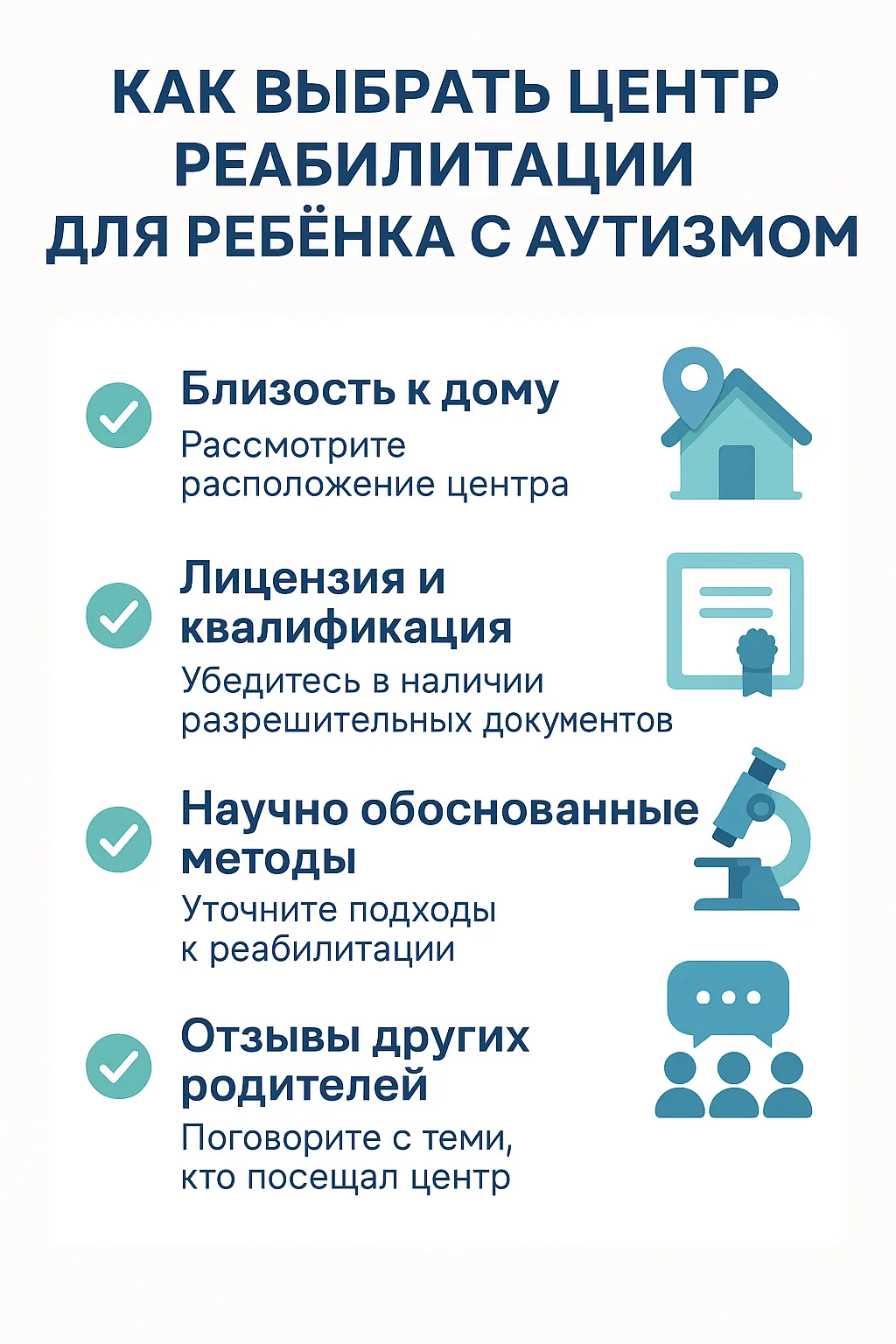
How to choose a rehabilitation center?
A few recommendations:
- Choose a center close to home, so less time and energy go into commuting.
- Check that the center is properly licensed and that its specialists are qualified. A good center is transparent about its staff's credentials and its treatment methods.
- Talk to the therapists directly to get a sense of how evidence-based their methods actually are.
- Talk to other parents — their experience can help you make the decision.
Conclusion
Autism is not a sentence — it's a challenge you can work with. Current evidence shows that with early, intensive intervention, many children make significant progress, and some even go on to lose the diagnosis entirely.
Don't put off starting rehabilitation — the first years of a child's life are critical for brain development. Every day matters, and the right professional support can change the future of your child, and of your whole family, in a fundamental way.