
Shili Silver Beach, Huizhou: what secrets are waiting to be discovered?
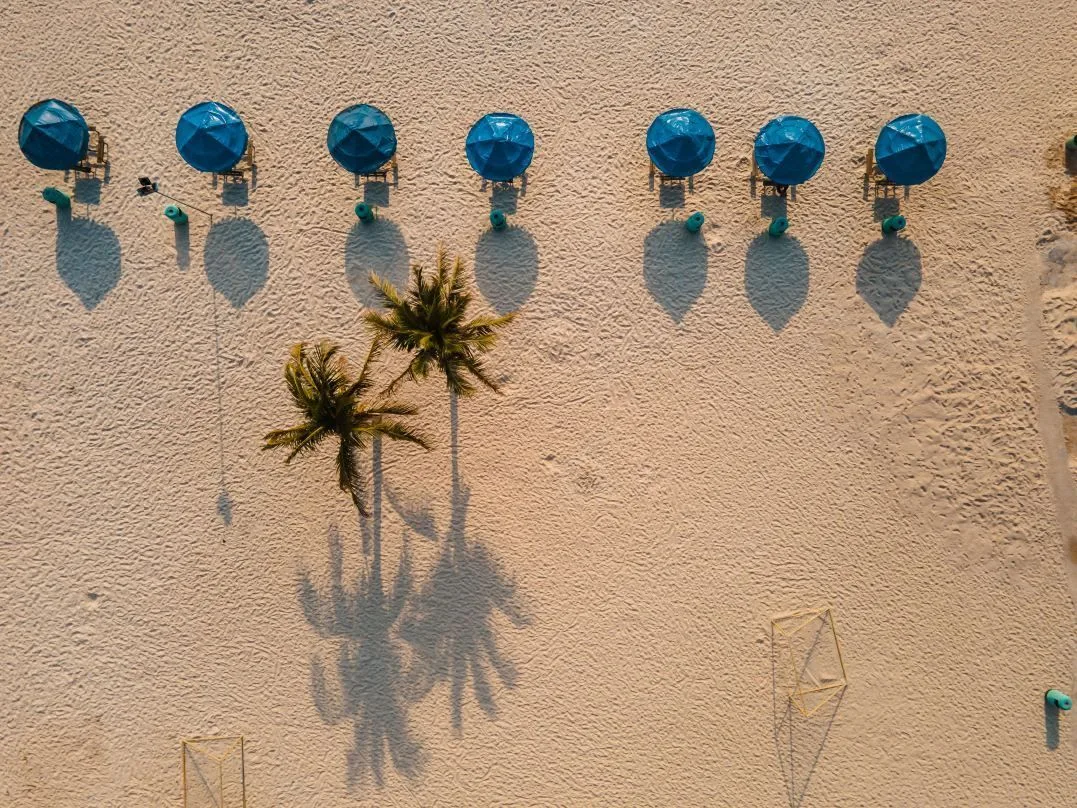
Huidong County, Huizhou City, Guangdong Province
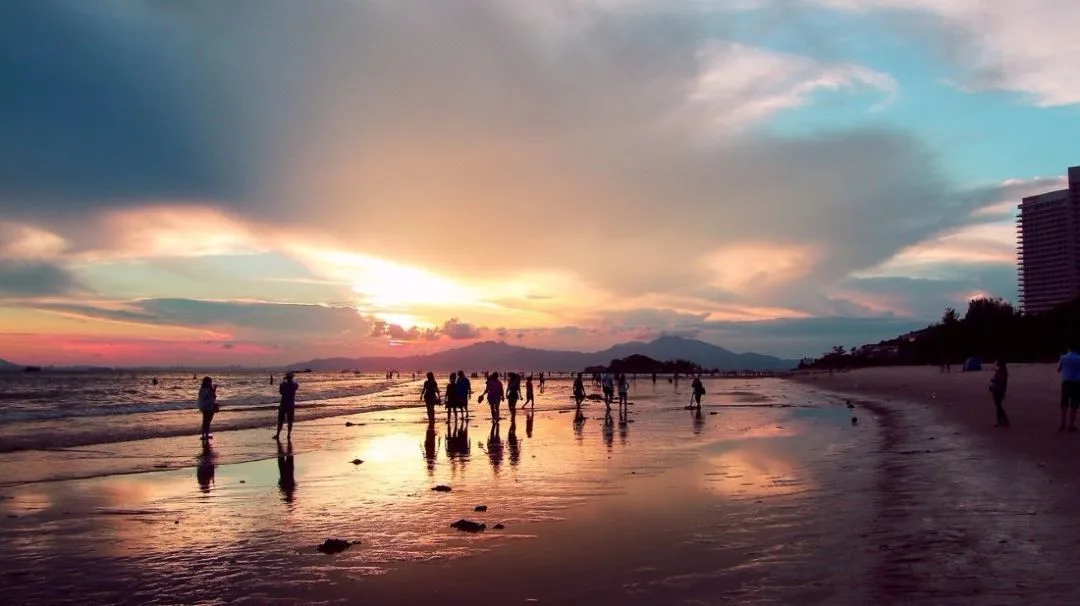
Picture this: 16 kilometers of coastline with fine, almost white sand, turquoise sea, and a subtropical climate. Sounds like paradise? For the most part, it is. Welcome to Shili Silver Beach (十里银滩), a spot in Guangdong Province that looks, at first glance, like the perfect place to live and unwind. But like any paradise, it comes with its own quirks. And today we're going to talk about exactly that — no sugarcoating, but with a healthy dose of irony.
Main attractions
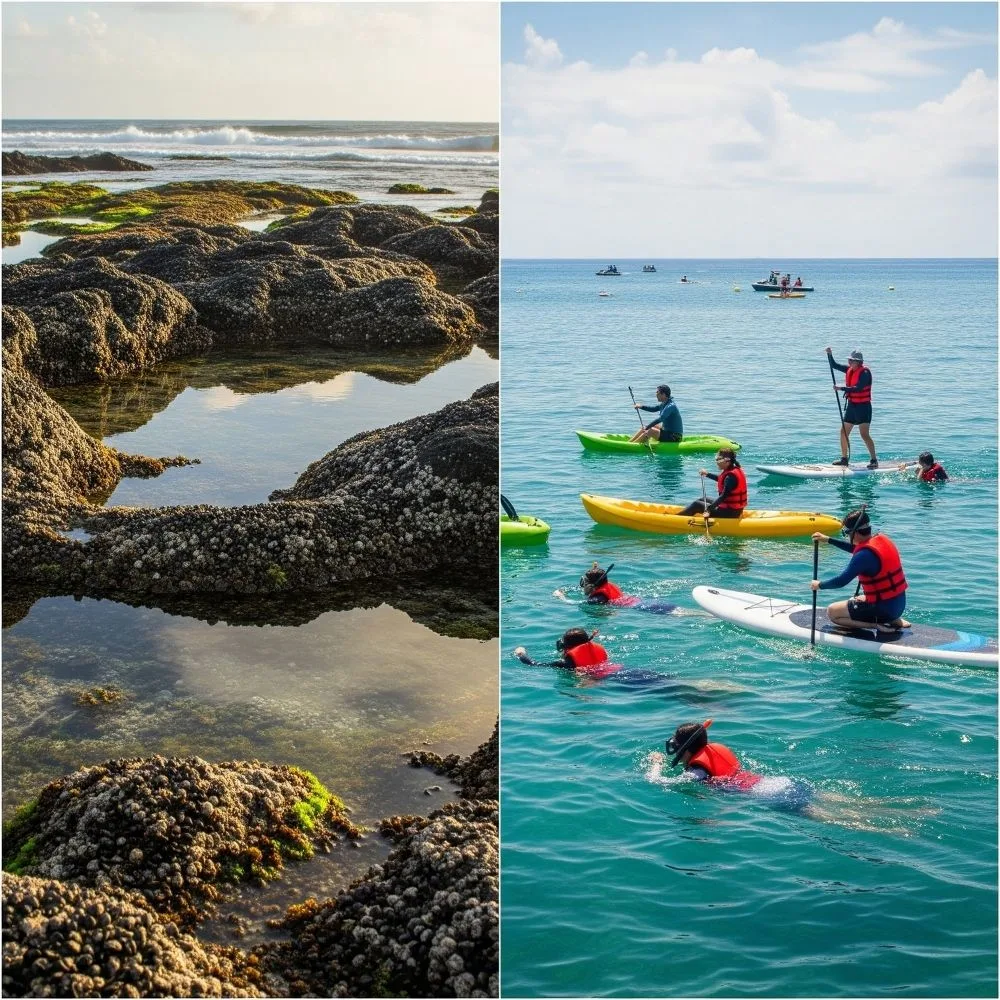
- The reef park: at low tide, volcanic reefs are exposed — a great spot for photos (watch out for slippery surfaces).
- The sailing base: a chance to try sailing, jet skiing, and other water activities.
The sea, the beach, and the tides
The sea here is a story of its own. Its color and character change dramatically with the season. In summer and autumn the water turns crystal clear, taking on that famous turquoise shade — ideal conditions for diving. In winter and spring, under the influence of the monsoons, the sea becomes more temperamental: the water gets a bit murky and the waves grow bigger. This is more a season for admiring seascapes than swimming in them.
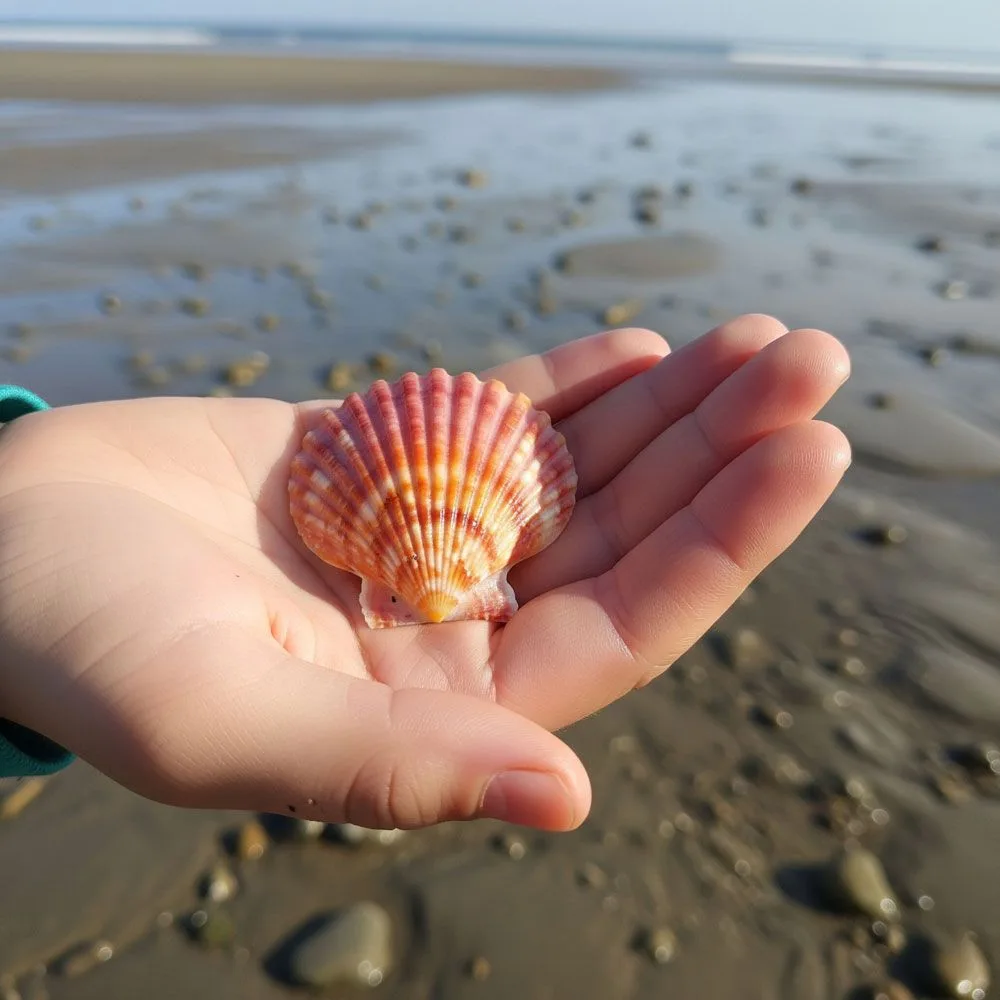
And don't forget about the tides! At low tide the water pulls back, exposing the reefs, and it's a wonderful chance to go "hunting for sea treasures" — you can find shellfish and small crabs. At high tide, though, the beach strip narrows considerably, so keep an eye on the time.
When to go, and what to expect from the weather
Choosing the right time for your trip is arguably the single most important factor shaping your experience. The local climate has a personality of its own.
The golden season: autumn (October–November)
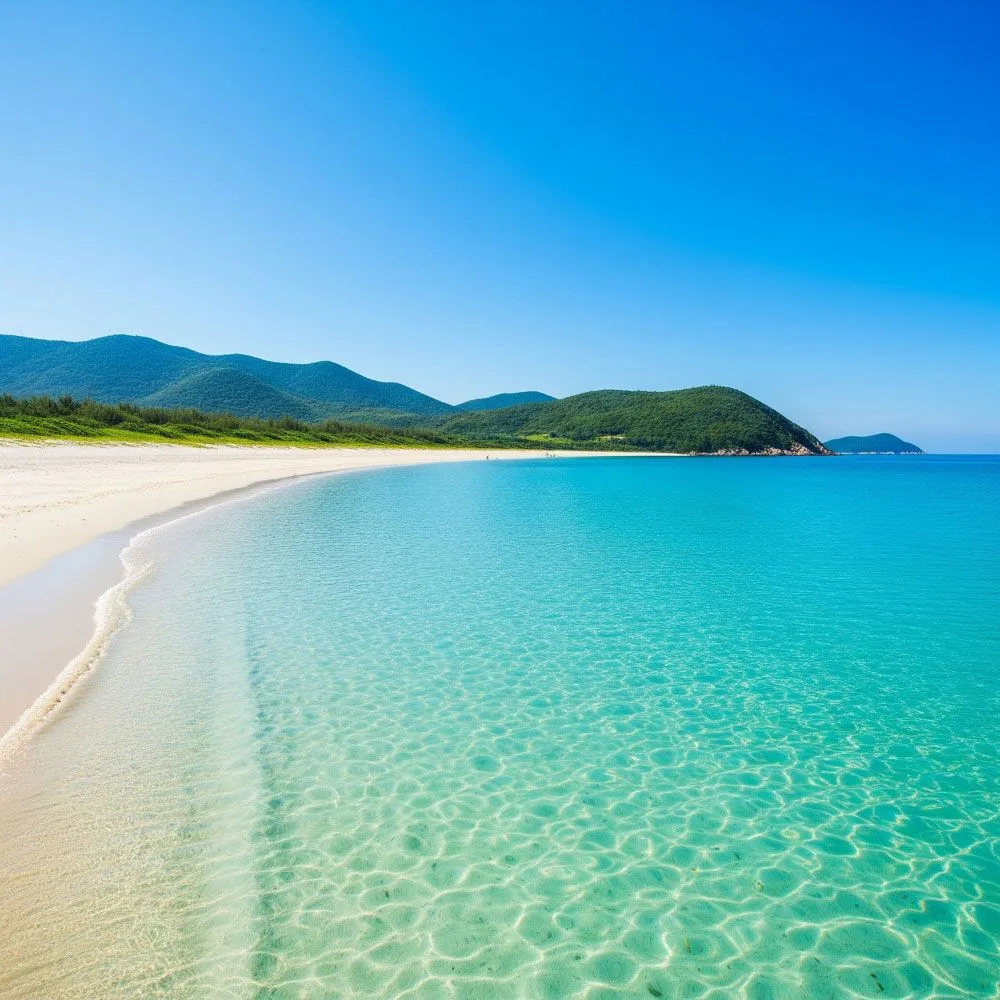
If you want to see Shili Silver Beach at its absolute best, plan your trip for autumn. Temperatures stay in a comfortable range of 22–30°C, the sky is clear, and rain is rare. It's the perfect time for everything — from lounging on the beach to long walks. The sea at this time of year is that famous "glass sea," transparent and turquoise. Simply magical.
Hot and humid summer (June–September)
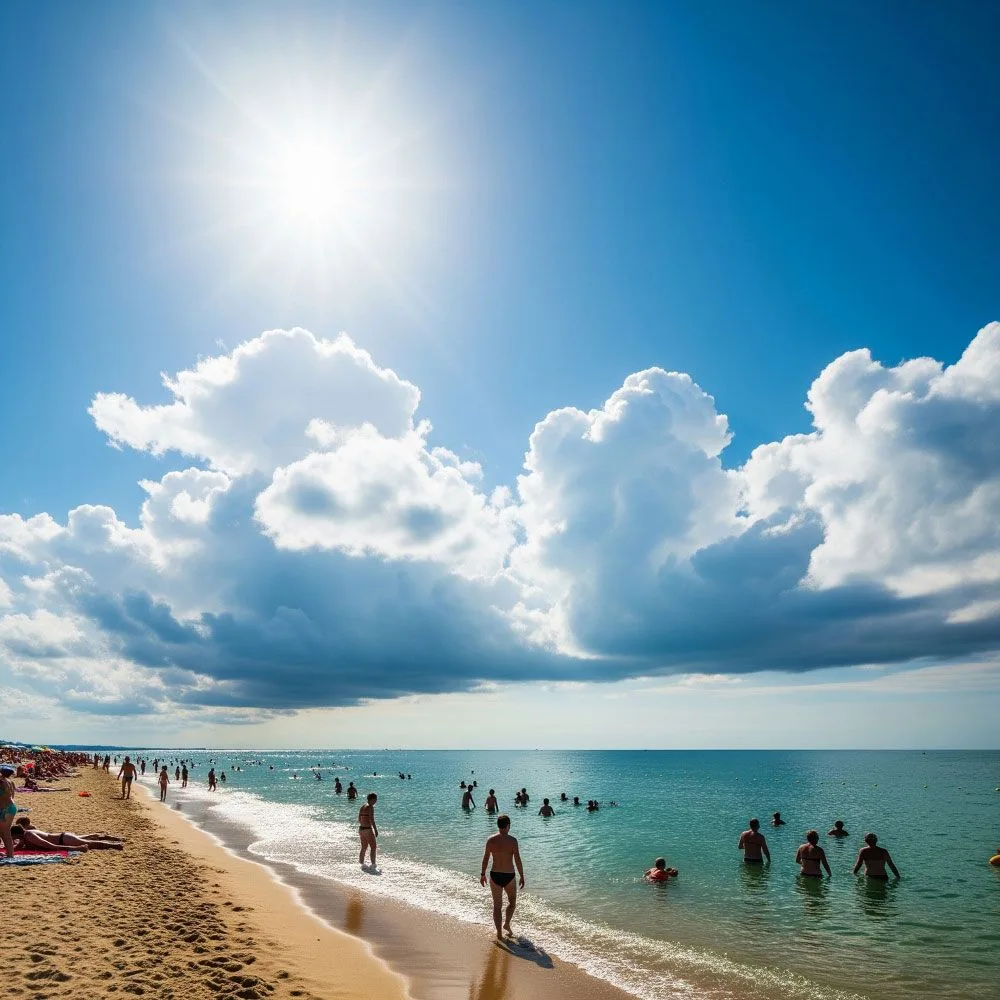
Summer here is a real test for anyone who doesn't love the heat. The classic scenario is a thermometer hitting 35°C with humidity that feels like a warm soup. And, of course, it's typhoon season. That said, no two years are alike. Sometimes summer turns out surprisingly comfortable: the climate becomes drier, a cool breeze blows in off the sea, and the heat is much easier to bear. On days like that, the air conditioner can happily sit at 27 degrees. Even so, sunscreen, a hat, and the habit of checking the weather forecast remain your best friends. Swimming, of course, is not just allowed but recommended — the water is wonderful.
The changeable spring (March–May)
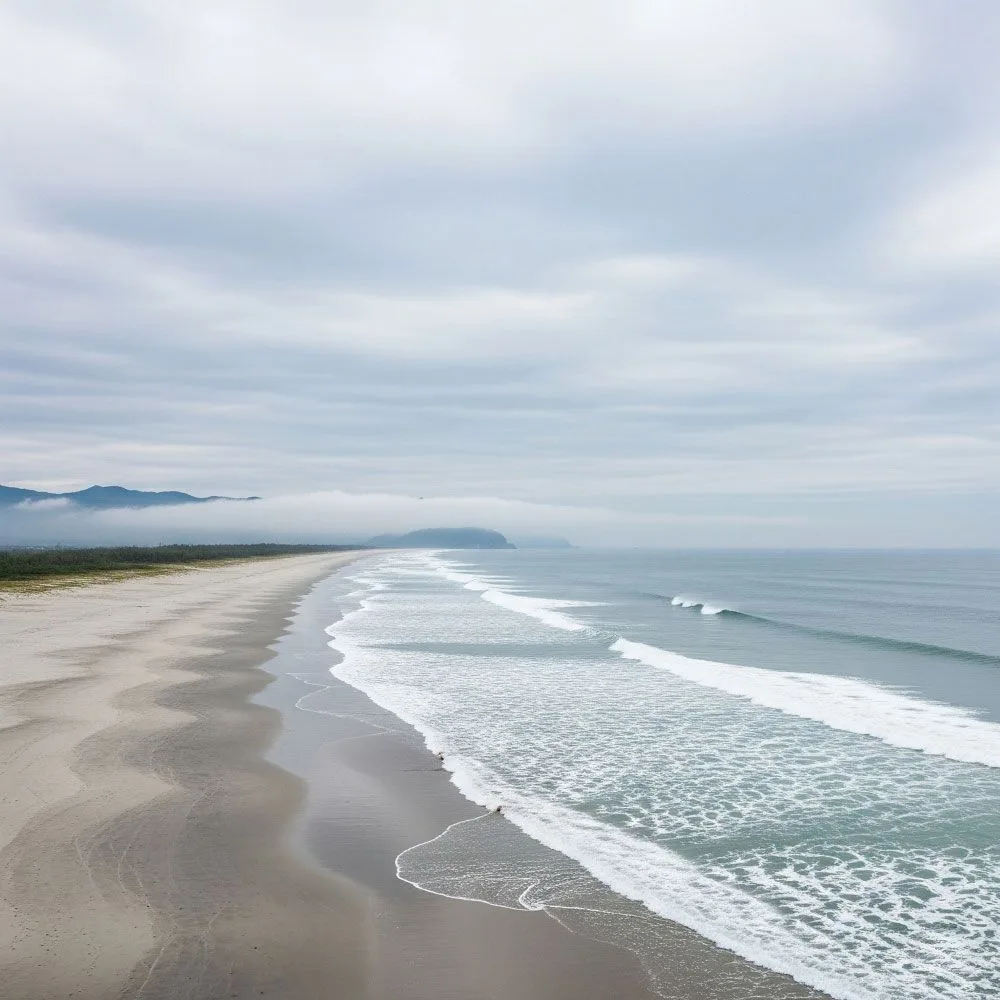
Spring is a lottery. It's humid, rainy, and this is exactly when the famous "return of the southern warmth" arrives. We'll talk about that phenomenon separately, because it deserves special attention. Temperatures are pleasant, 18–28°C, but a light jacket and a raincoat definitely won't go to waste.
Mild but windy winter (December–February)
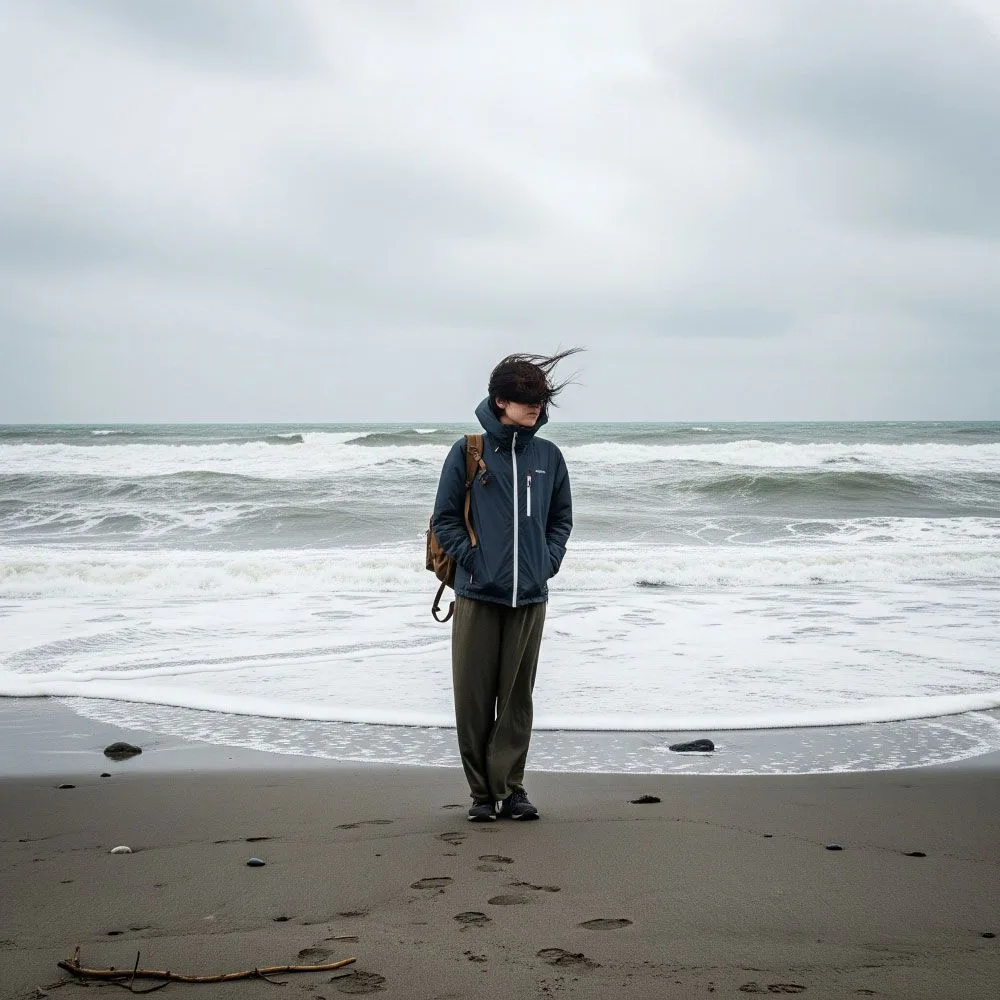
Winter here is mild, but don't be fooled by the numbers — 10–20°C on paper. In December and January the temperature can easily drop to 5–7°C, and occasionally, as happened in 2023, it comes close to freezing. That's when apartments without central heating turn into genuine iceboxes — the indoor temperature can be as low as 7–10°C. You have to heat yourself: oil-filled radiators and electric heaters come into play, along with air conditioners set to "heat" mode. But be ready for a surprise: some air conditioners here only cool, in which case electric heaters are your only salvation.
The cold usually arrives together with a cyclone and strong winds that find every gap around windows and doors. So preparation needs to be thorough: order heaters in advance (sometimes even five isn't enough), tape up every gap and crack, and weatherstrip the windows with special sealing tape. A heated blanket isn't a luxury here — it's a necessity. This matters especially for families with children, who spend a lot of time on the floor.
As for the sea, it turns cool (around 15–18°C) and slightly murky. Only the most determined swim, and usually in wetsuits.
Uninvited guests, and how to deal with them
Now for the most interesting part — the aspects of subtropical life you won't find in any travel brochure.
The war on mold, or the "return of the southern warmth"
If you find yourself here between February and April, brace yourself for a remarkable phenomenon. After a cold spell, the temperature jumps sharply, humidity soars, and everything around you starts to "cry." Walls, floors, and mirrors become covered in condensation. Clothes in the closet turn damp, and mold can appear on furniture.
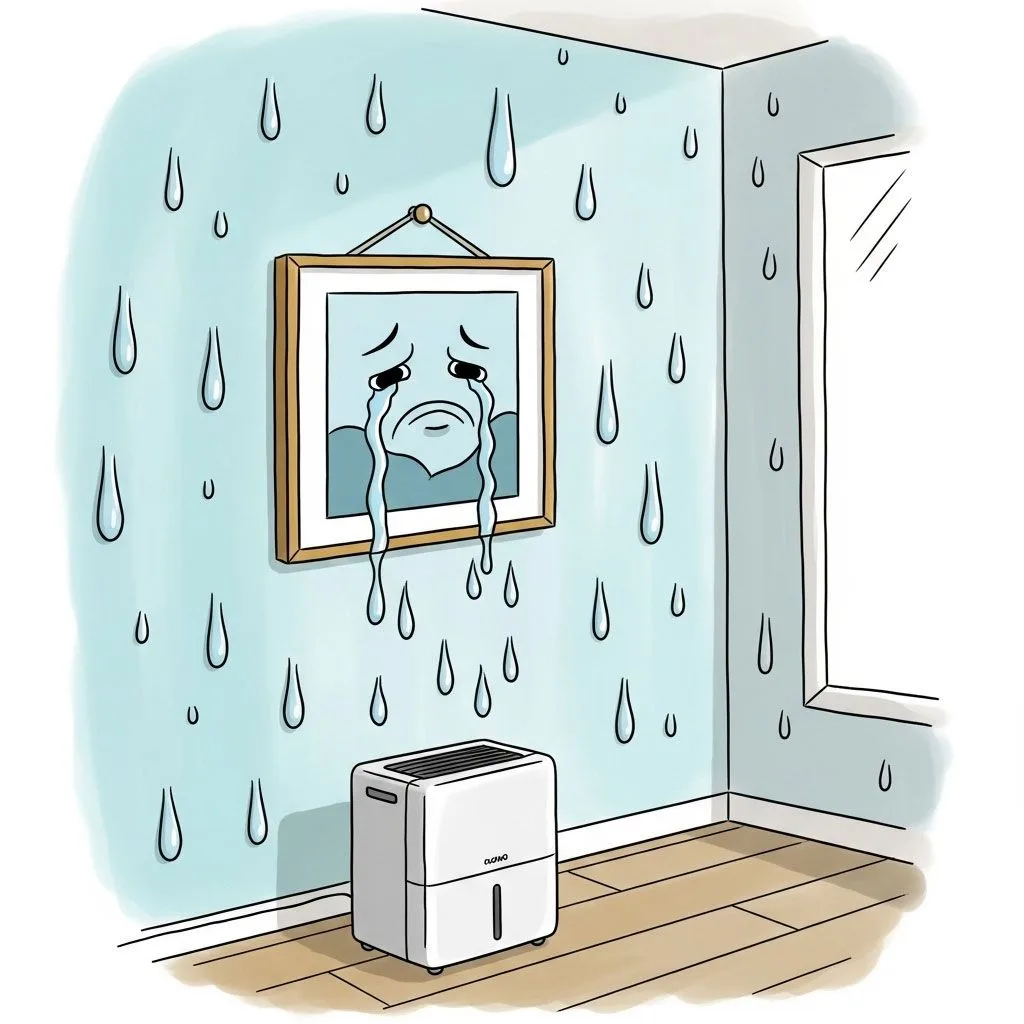
How do you survive it?
- Keep your windows closed! Especially south-facing ones. As tempting as it is to air the place out, at humidity above 80% you'll only make things worse.
- The air conditioner is your best friend. Switch on the dehumidify mode — it really does save the day.
- Moisture absorbers. Place absorbent boxes in closets and in the corners of rooms.
- Vacuum storage bags. The best way to keep clothes dry.
Cockroaches: they were here before us, and they'll be here after
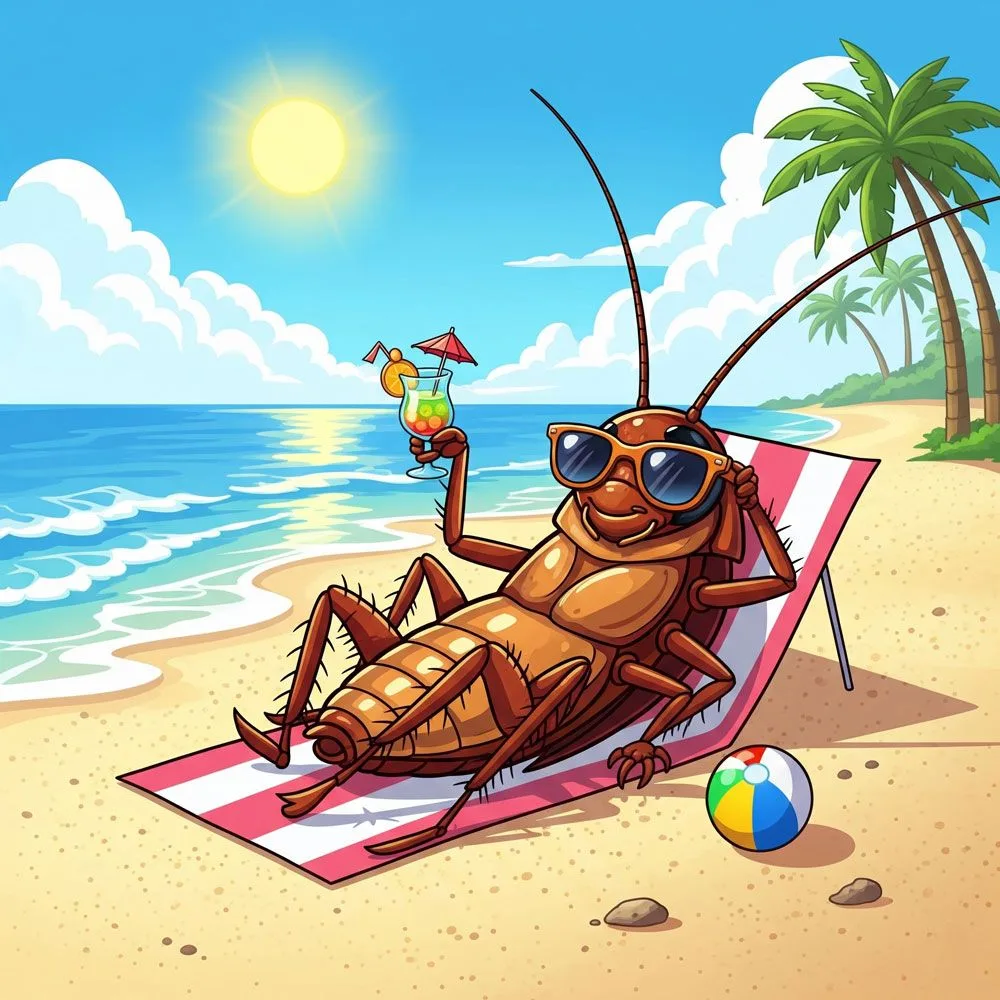
Yes, they exist. And they're big. The hot, humid environment is perfect for them. You can — and should — fight back: keep the kitchen dry and clean, seal up every crack, and use special gels and sprays.
Snakes: rare, but possible encounters
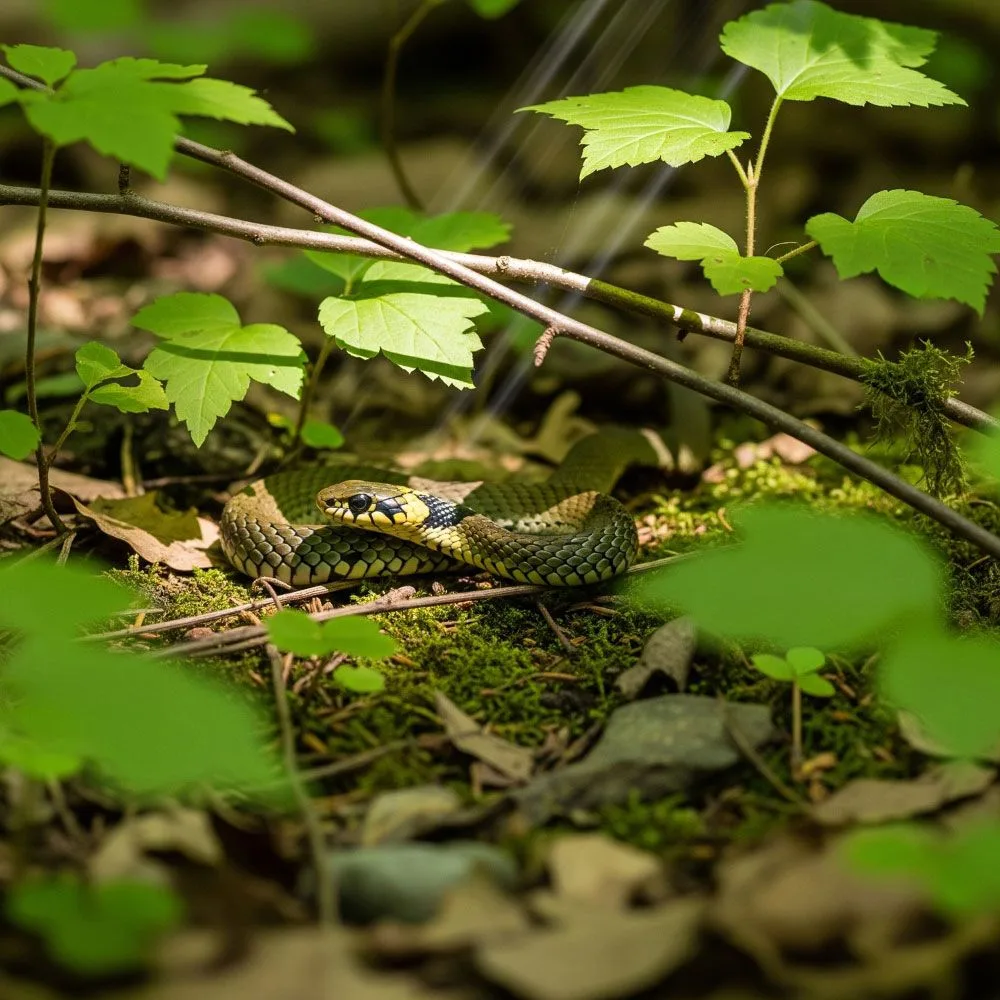
Spotting a snake in residential areas is a genuine rarity. But if you decide to hike through the nearby hills or thickets, stay alert. Most of what lives here are harmless grass snakes. A simple rule applies: if you see a snake, don't panic, don't touch it, just slowly walk away.
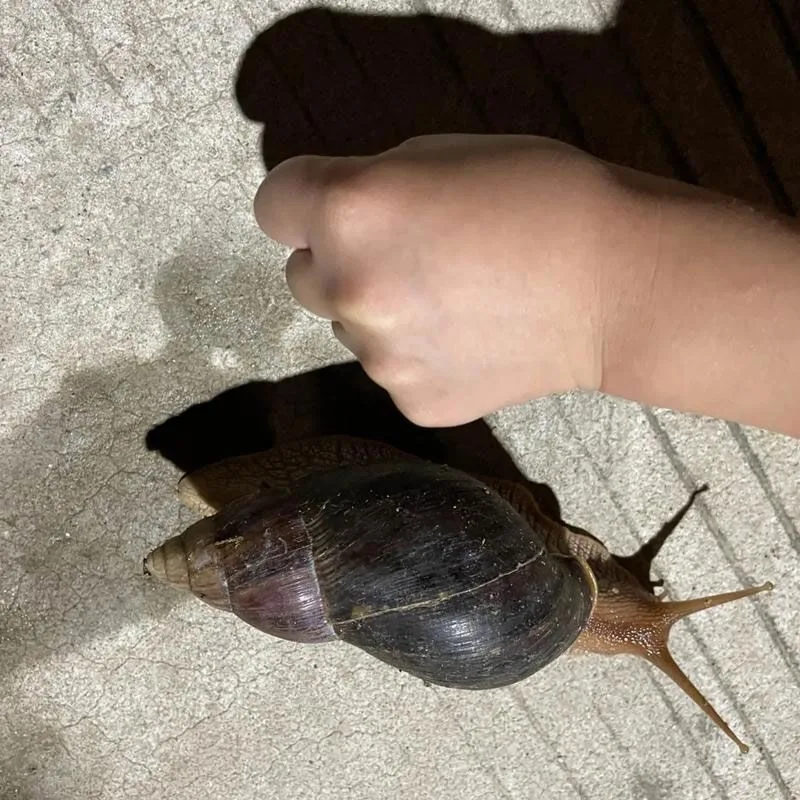
Snails: contact best avoided
So, is it worth the trip?
If your main goal is treatment and rehabilitation, the answer is a clear yes.
We understand that comfortable living conditions aren't the main point — but they are a genuinely important part of a successful recovery process. The quirks we've described — whether it's the high humidity in spring or the chill inside apartments in winter — aren't unique to Shili Silver Beach specifically. They're characteristic of southern China as a whole. Wherever in the region you end up, you'll run into similar nuances.
The key is being ready for them. The right preparation, and knowing these local "quirks" in advance, will help you create a comfortable living environment and let you focus entirely on what matters most — your health.
If you're planning to come to us for treatment and want to focus completely on what matters most — your health — get in touch with us. We'll help not only with organizing the treatment process, but also with finding suitable accommodation, and we'll give you all the recommendations you need to make your stay as comfortable as possible.