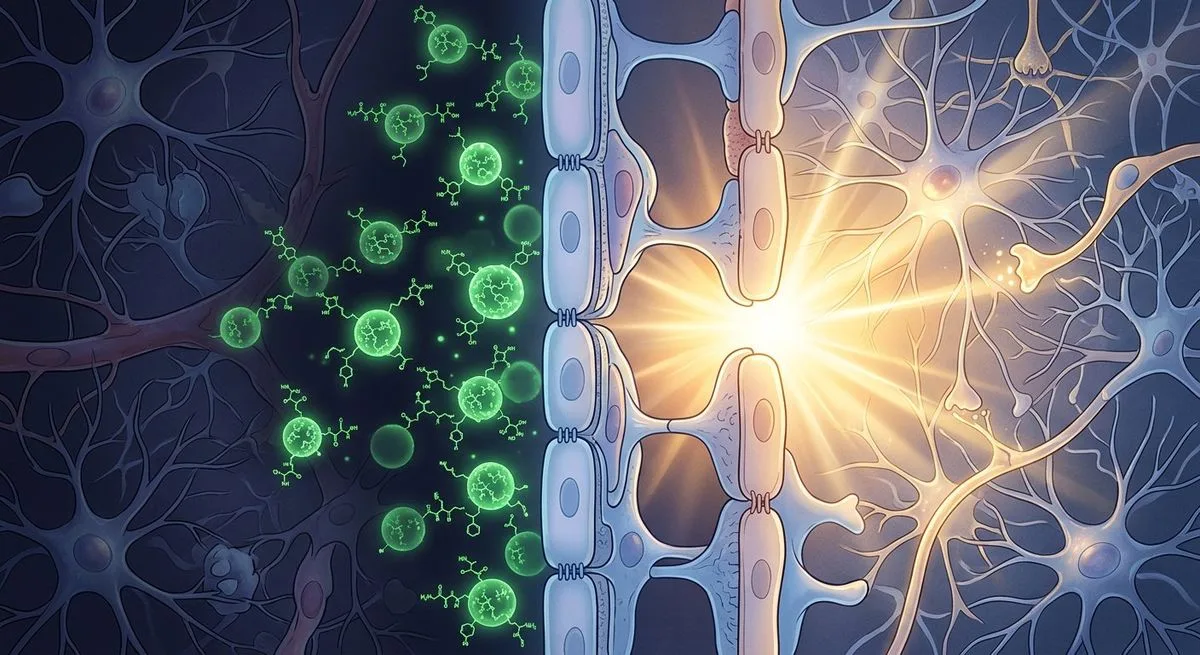
How Z944 Actually Works
So what exactly is Z944? In scientific terms, it's a selective T-type calcium channel blocker. Put simply, it's a compound that targets a specific area of the brain — the thalamic reticular nucleus. This region is responsible for controlling neuronal activity.
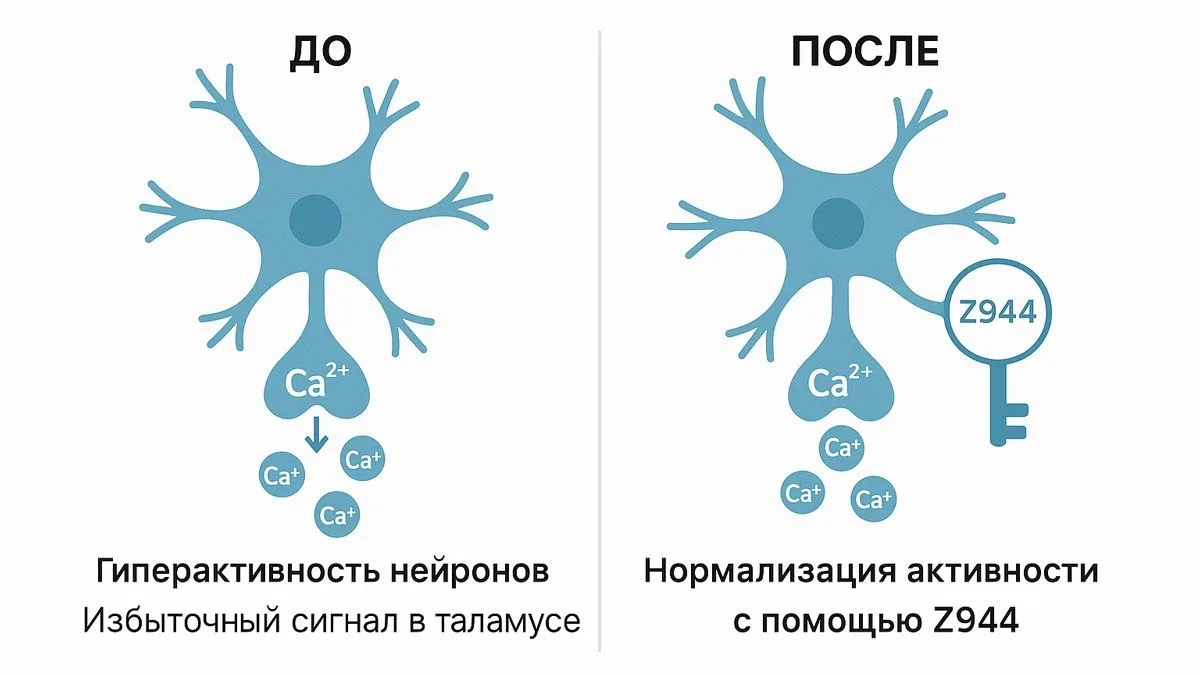
The drug was originally developed with a single, clear mission: preventing epileptic seizures. But during research, scientists noticed a striking side effect. Not only did the drug do its main job — it also affected behavioral symptoms characteristic of autism spectrum disorder (ASD).
In experiments on laboratory mice showing signs of autism, blocking these calcium channels produced impressive results. The animals showed a recovery of social behaviors, a reduction in repetitive actions, and a calming of the hyperactivity in the thalamus. In effect, researchers had stumbled onto a neurobiological mechanism shared by autism and epilepsy.
Why This Discovery Matters
For a long time, ASD was viewed as a condition that could be managed but not treated. The Z944 study calls that assumption into question.
- A confirmed link between autism and epilepsy. It's well known that many people with ASD also live with epilepsy. Now there's scientific evidence that the two conditions may share common neurobiological roots — which changes the whole approach to diagnosis and therapy.
- The possibility of drug-based treatment. The experiment's results suggest that autism symptoms may be tied to specific malfunctions in brain function. And if there's a specific "malfunction," it may be possible to build a tool to "fix" it.
- A path toward targeted therapy. Down the line, this discovery could lead to an entirely new generation of medications — ones that don't just address symptoms broadly, but target the root cause of the disorder at the cellular level.
What's Next for Z944?
It's important to stay level-headed here. As of today, Z944 remains an experimental drug. It's still going through clinical trials, and there's no solid data yet on its safety or effectiveness in humans. The road from successful mouse studies to a medication on pharmacy shelves can take years.
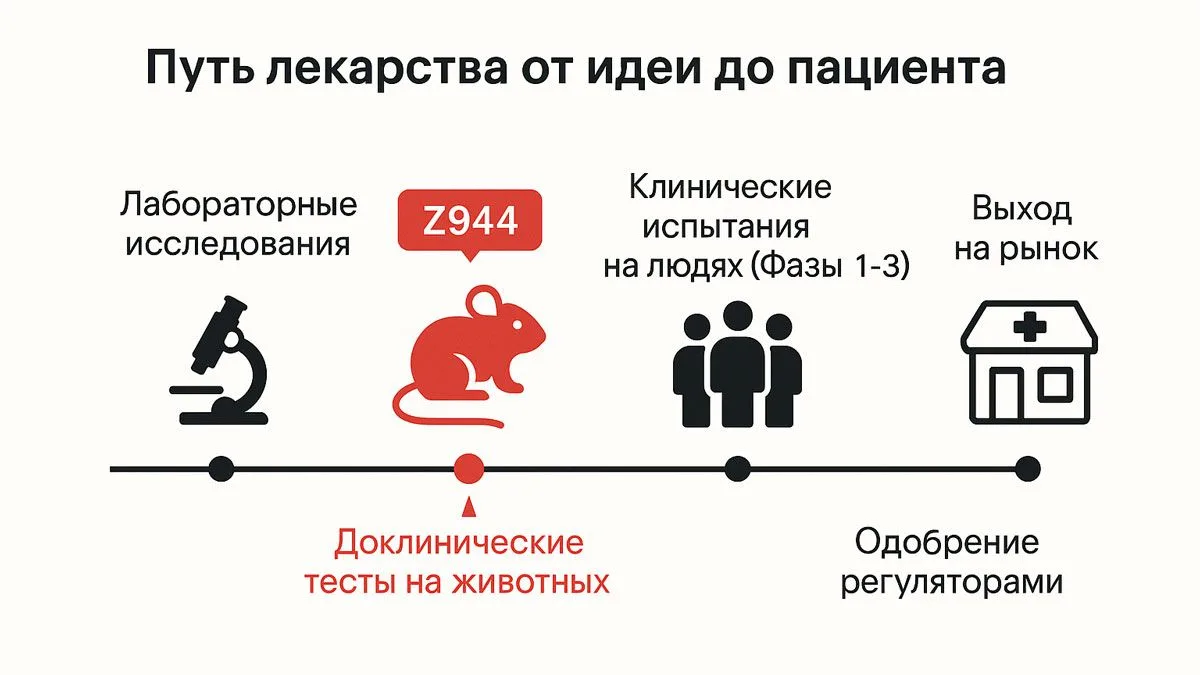
Still, the discovery itself is invaluable. For the first time, scientists managed not just to manage, but to essentially eliminate ASD symptoms in animals by targeting a specific mechanism in the brain. That opens up an entirely new direction for future research.
The Stanford team's work is one of the most significant steps in autism research in the past decade. And while a finished medication is still a long way off, this study offers something essential: well-founded hope.
Understanding your child's current condition and the therapies available today is the first step toward a better quality of life. While science keeps moving forward, it's worth not missing the opportunities that already exist right now. To learn more about current approaches to diagnosing and managing ASD, you can get a consultation from our specialists.