When planning a medical trip to China with your child, it's important to think through not just the medical side of things but the financial one too — specifically, the rules for bringing cash in and out of the country. Many parents want to know how many dollars and yuan they can bring, and what limits apply in different countries. In this article, we'll walk through the rules for carrying cash so your trip goes as smoothly as possible, with no surprises at customs.
Taking currency out of your home country: the same rules for many countries
The good news is that Russia, Kazakhstan, Belarus, Azerbaijan, Kyrgyzstan, Georgia, Armenia, and Ukraine all follow the same rules for taking cash out of the country.
Under the laws of these countries, you can take out any amount of cash. However, if the amount exceeds USD 10,000 (or the equivalent in another currency) per person (regardless of age), you'll need to fill out a customs declaration.
The rules for taking cash out of Turkmenistan are very strict. Without a declaration: up to USD 1,000.
Above USD 1,000 — you'll need permission from the Central Bank of Turkmenistan (practically impossible for individuals to obtain).
The rules for taking cash out of Uzbekistan are very strict. Without a declaration: up to USD 2,000.
Above USD 2,000 — you'll need permission from the Central Bank of Uzbekistan.
Bringing currency into China: what you need to know
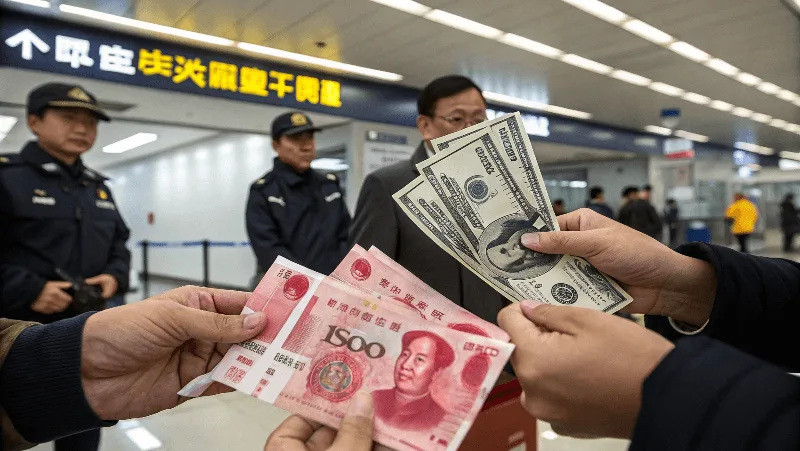
You can bring any amount of cash into China. However, if the amount exceeds USD 5,000 (or the equivalent in another currency) or CNY 20,000 per person, you'll need to fill out a customs declaration.
If the amount doesn't exceed USD 5,000, you don't need to declare it.
What you need for the declaration:
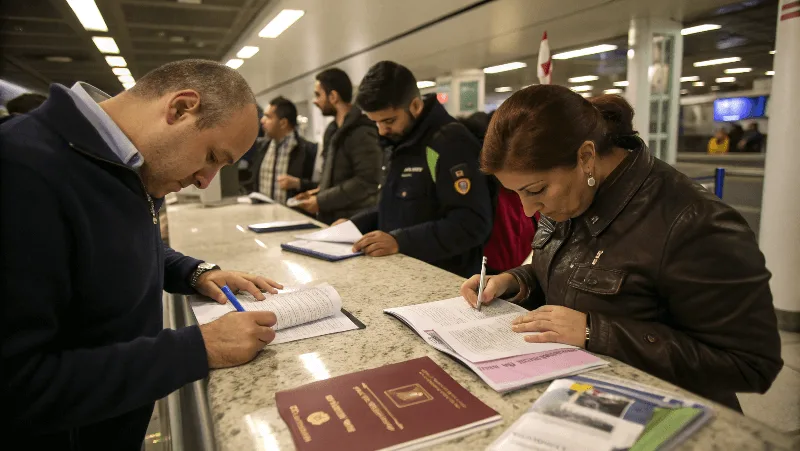
Declaration form: you'll be given one at customs.
On the form, you'll need to provide your personal details, the amount of currency you're bringing in, and the purpose of bringing it in.
Practical tips and parents' experience
- Declare when required: Don't be afraid to declare your funds. It's a legal procedure that helps you avoid unnecessary questions.
- Personal experience: Based on the experience of parents who have been coming to us for treatment for 12 years, we can say that in practice customs officers rarely ask about the amount being carried — especially once they see that the child is in a wheelchair or has visible developmental differences. In those cases it's obvious that the purpose of the visit to China is treatment, not business.
- Documents: We recommend keeping a printed treatment invitation and an invoice for medical services on hand. This can further confirm the purpose of your trip.
- Important to remember: All the currency limits above are calculated per person, regardless of age.
- Rumors: There are rumors that customs officers aren't always eager to help with filling out the declaration. But keep in mind that the amounts typically needed for treatment aren't the kind that draw special attention from customs services.
To sum up
- Plan ahead: If you need to carry a large amount, take care of the declaration and any necessary permits in advance.
- Follow the rules: Carefully review the currency import and export rules both in your home country and in China to avoid problems at customs.
- Declare when required: Don't be afraid to declare your funds. It's a legal procedure that helps you avoid trouble.
Conclusion
A trip abroad for medical treatment is always an exciting experience. We hope this article has helped you make sense of the rules for carrying cash and will make your trip to China calmer and more confident. Remember: following the laws and rules is the key to a successful trip.