DCP China EditorialFebruary 5, 2025 · 2 min
分享
What is autism spectrum disorder?
Autism spectrum disorder (ASD) is a group of neurodevelopmental conditions that affect a person's social communication and behavior. Modern medicine is actively researching effective ASD treatments, with particular attention being paid to cell therapy using stem cells.
How does ASD affect brain development?
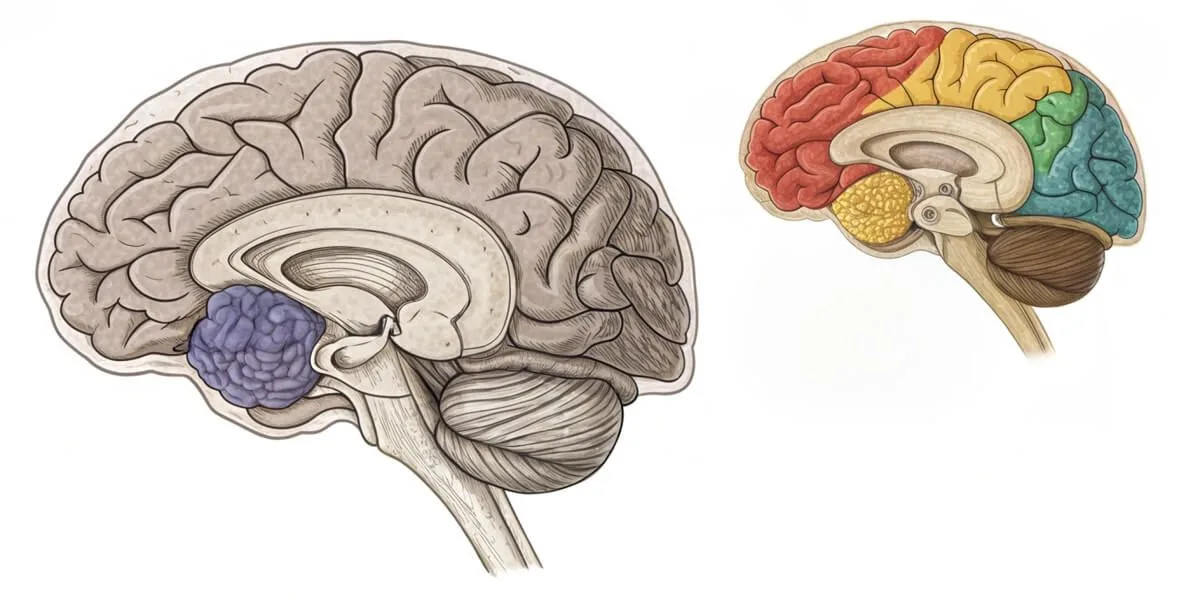
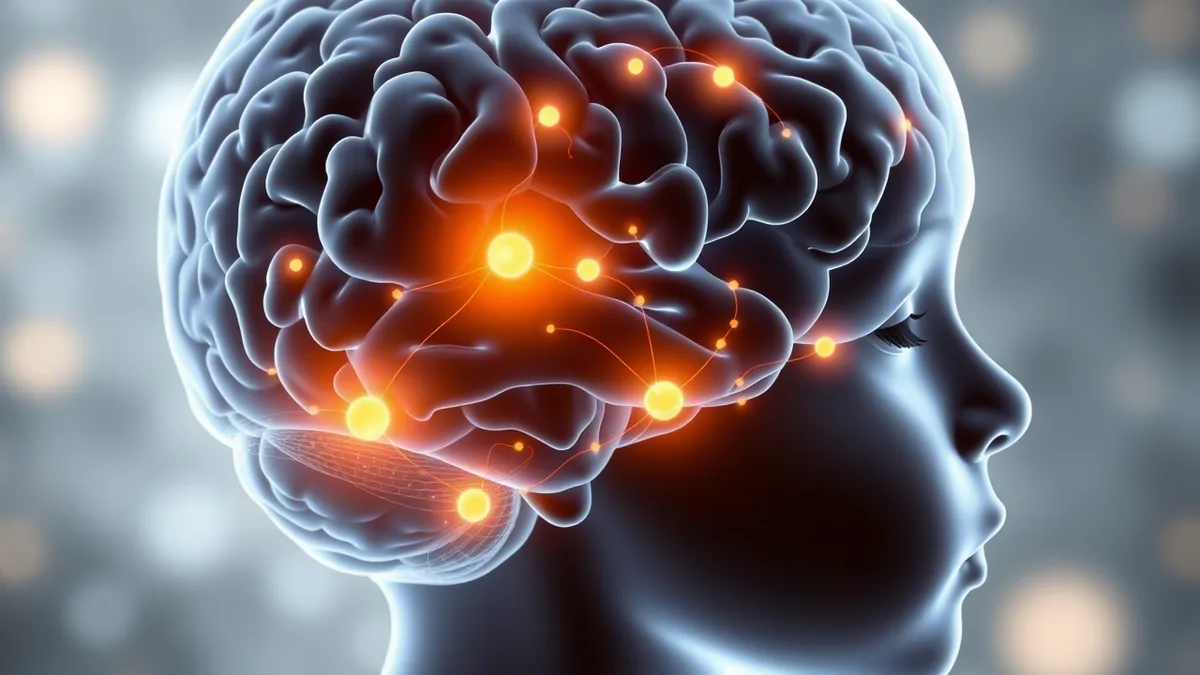
In ASD, the brain typically shows the following changes:
- Chronic neuroinflammation (inflammatory processes in brain tissue)
- Impaired neural connectivity (disrupted communication between nerve cells)
- Immune system abnormalities (hyperactive immune responses)
- Metabolic disturbances (changes in metabolism)
How stem cells work in autism therapy
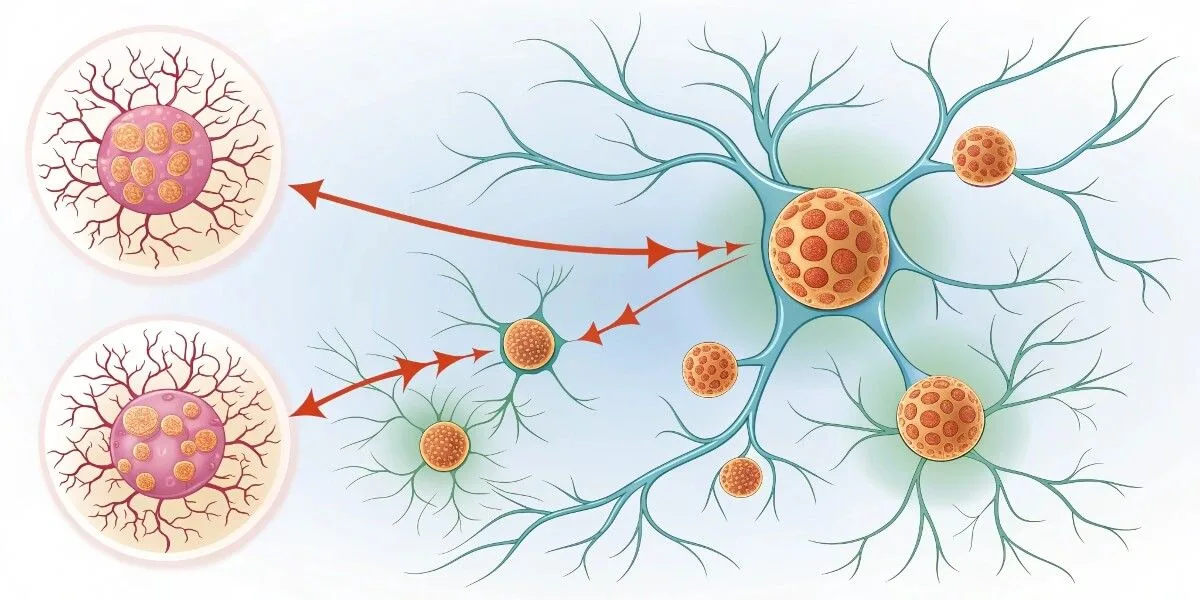
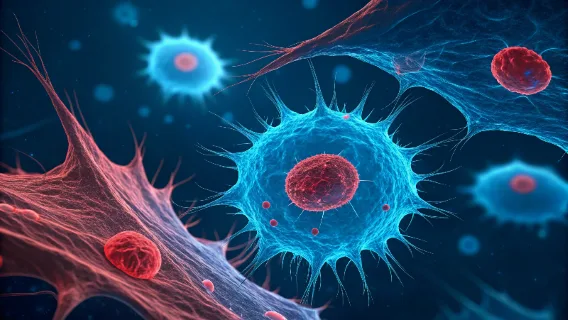
Stem cells are special precursor cells capable of developing into various cell types in the body, including neurons.
In ASD therapy, they produce the following effects:
- Anti-inflammatory effect: they release special proteins that reduce inflammation in the brain
- Immunomodulatory effect: they help restore balance in the immune system
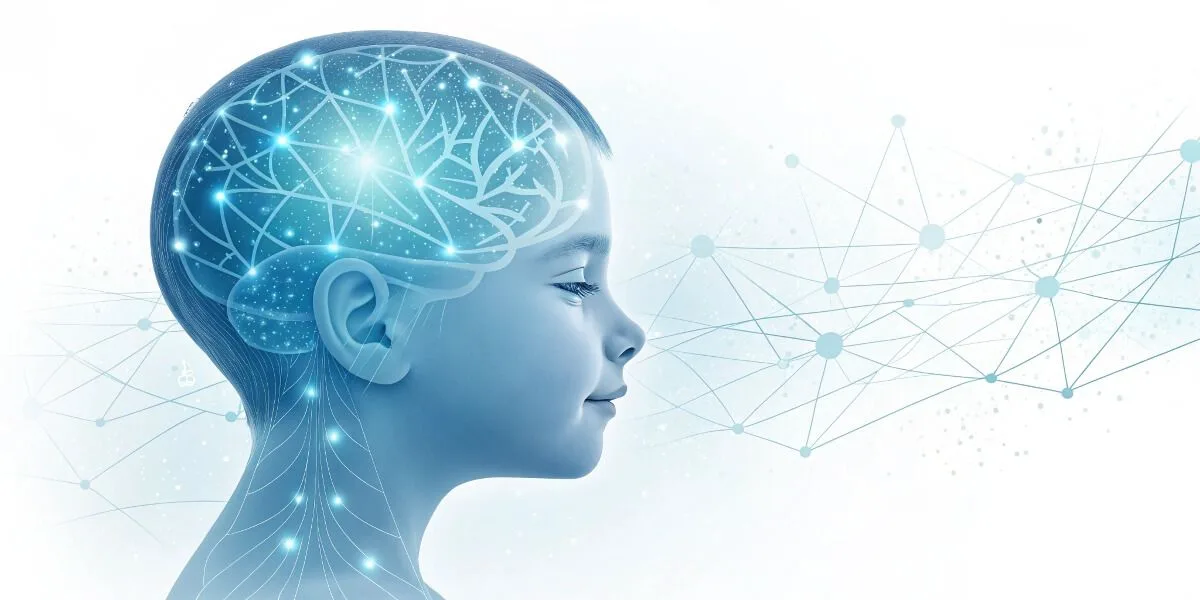
- Neuroregenerative effect: they support the formation of new neural connections
- Neuroprotective effect: they protect nerve cells from damage
- Angiogenic effect: they improve blood supply to the brain
- Neuroplastic effect: they stimulate the brain's ability to reorganize itself
Expected results of stem cell therapy
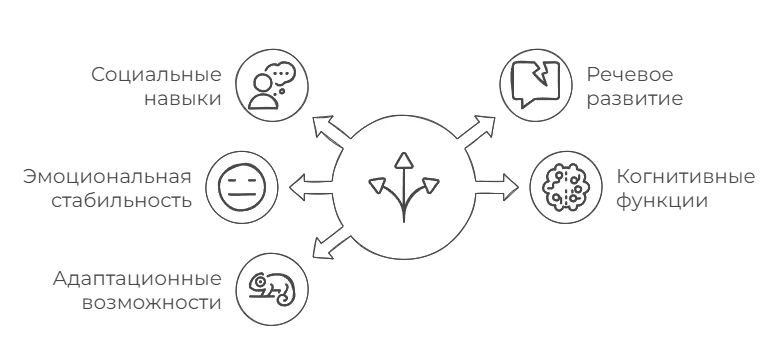
After cell therapy, children with ASD often show the following improvements:
- Development of social skills (better eye contact and communication)
- Progress in speech development (expanded vocabulary)
- Reduced stereotypic (repetitive) behaviors
- More stable emotional state
- Improved cognitive function
- Greater adaptive capacity
Safety and effectiveness of the method
Clinical studies show that stem cell therapy is effective in 50-89% of children with ASD. Treatment outcomes depend on:
- The child's age
- The severity of symptoms
- The presence of co-occurring conditions
A comprehensive approach to treating ASD

Stem cell therapy is complemented by the following methods:
- Behavioral therapy with a psychologist
- Speech therapy correction
- Occupational therapy to develop everyday living skills
- Sensory integration
- Psychological support for the family
Conclusion