
What Are Mesenchymal Stem Cells?
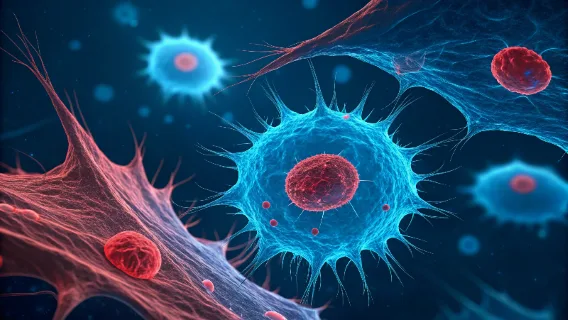
Mesenchymal stem cells (MSCs) are a special type of cell in the body capable of self-renewal and differentiation into various tissue types.
The term "mesenchymal" comes from "mesenchyme" — embryonic connective tissue that serves as the source for the formation of bone, cartilage, muscle, and fat tissue in the body.
Unique Properties of MSCs
The key property of mesenchymal stem cells is their multipotency. This means they can differentiate into several types of cells:
- Osteoblasts (bone tissue cells)
- Chondrocytes (cartilage tissue cells)
- Adipocytes (fat cells)
MSCs also have the ability to self-renew — they can divide to produce new stem cells without losing their unique properties.
Therapeutic Potential and Functions
Mesenchymal stem cells play a key role in tissue regeneration. When tissue is damaged, they:
- Migrate to the site of injury
- Release growth factors
- Produce cytokines (signaling molecules)
- Stimulate tissue repair processes
Sources of MSCs
Modern medicine has access to several reliable sources of mesenchymal stem cells:
- Bone marrow
- Adipose (fat) tissue
- Umbilical cord blood
- Placenta
This variety of sources makes MSCs an accessible and promising tool for regenerative medicine and cell therapy for a range of conditions.