Stem Cells for Treating Cerebral Palsy and Other Neurological Conditions: Types and Methods

What Stem Cells Are and Their Role in Treatment
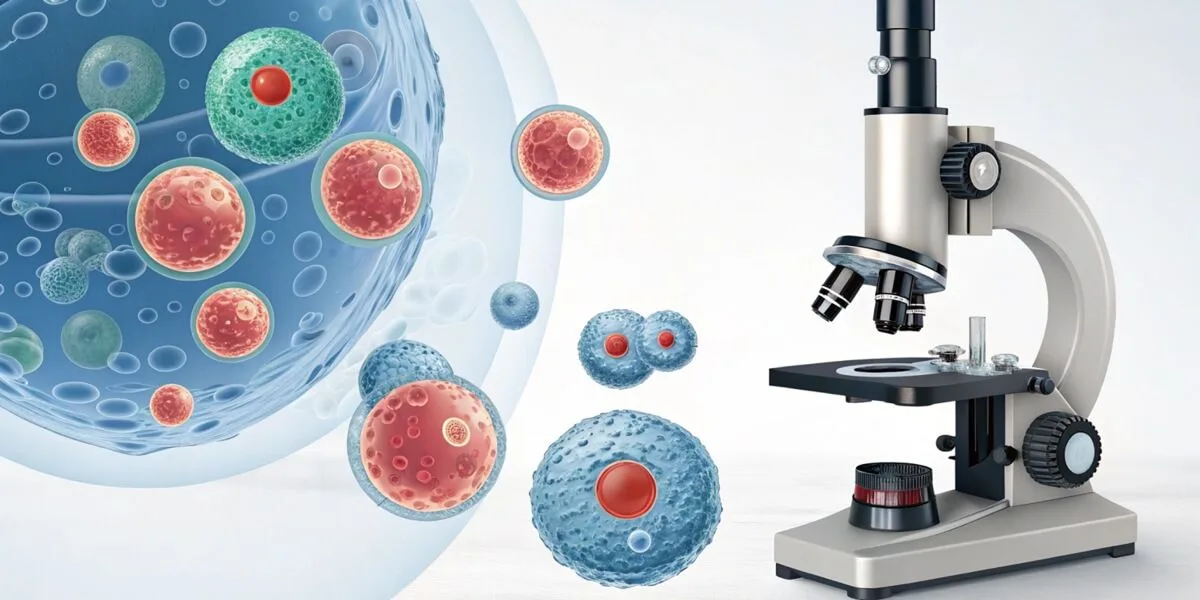
Modern medicine is increasingly turning to stem cells for treating cerebral palsy (CP). This innovative therapy is opening new possibilities in the rehabilitation of children with neurological disorders.
Main Types of Stem Cells Used for Cerebral Palsy
Mesenchymal Stem Cells (MSCs)
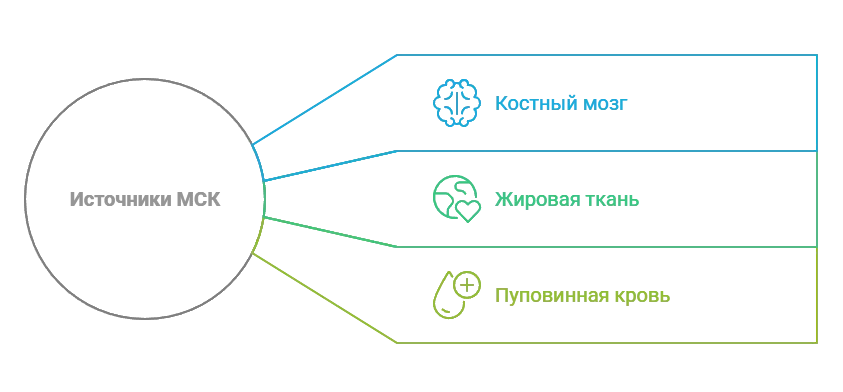
MSCs are among the most effective cell types used in cerebral palsy treatment. They are obtained from:
- Bone marrow
- Adipose (fat) tissue
- Umbilical cord blood
Key advantages of MSCs:
- Ability to transform into neurons
- Anti-inflammatory properties
- Minimal risk of rejection
- Can be used as either the patient's own cells or donor cells
Umbilical Cord Blood Cells
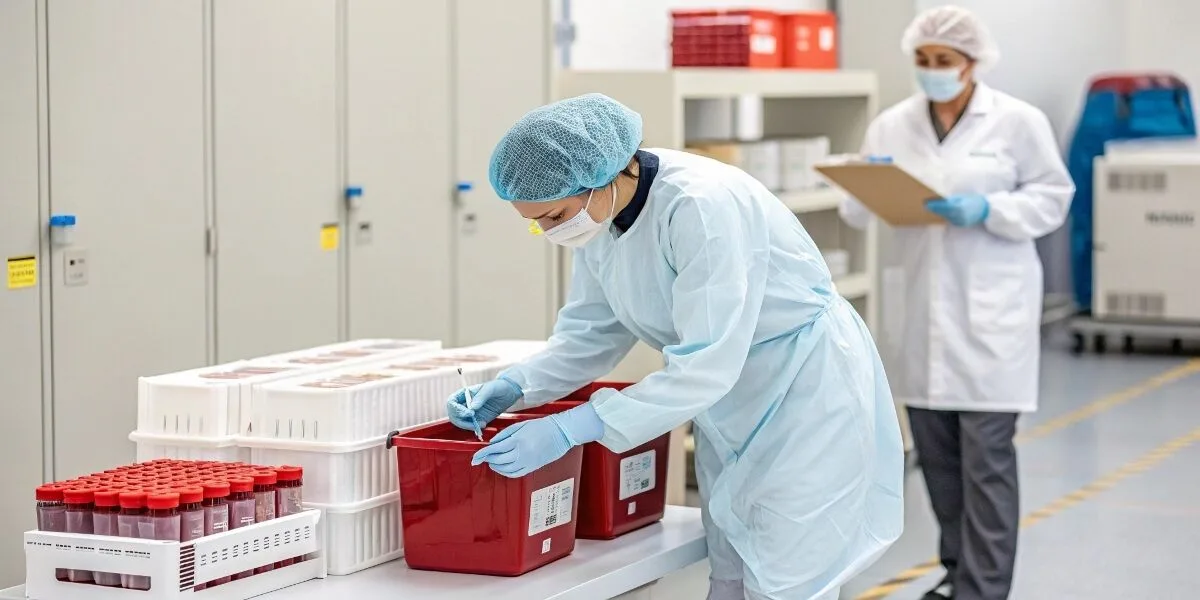
These cells have unique properties for treating cerebral palsy:
- High capacity for tissue regeneration
- Minimal immune reaction
- Broad differentiation potential
- Can be stored long-term
Modern Methods of Stem Cell Administration
Intravenous Administration
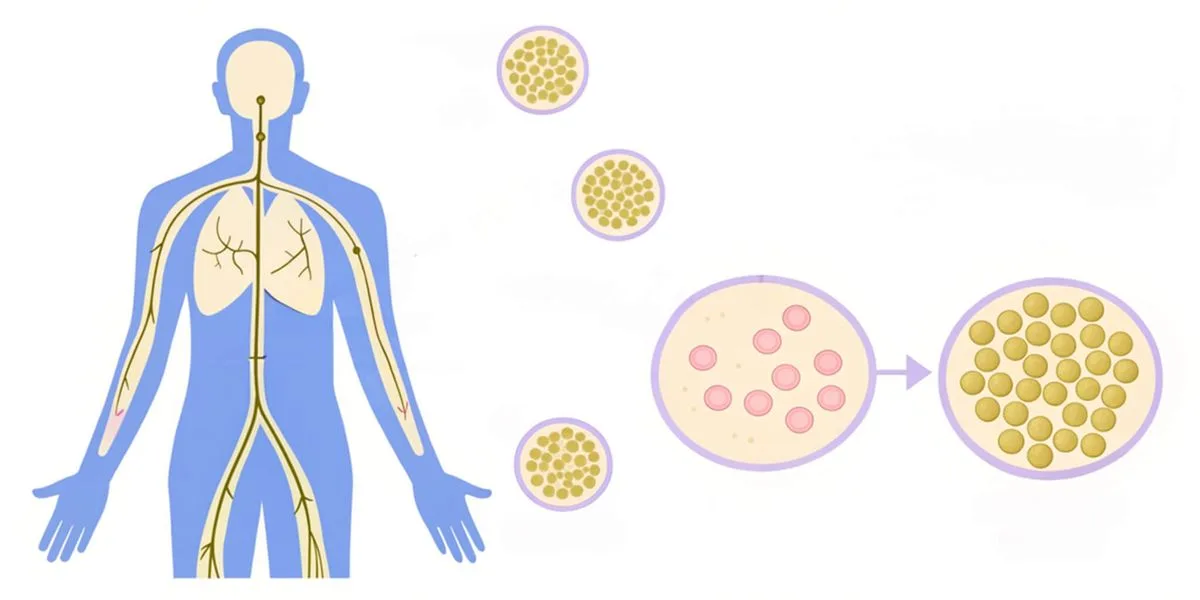
This method allows the cells to circulate throughout the body via the bloodstream. Its advantage is a systemic effect on the body, although how effectively the cells reach the target areas can vary.
Local Administration
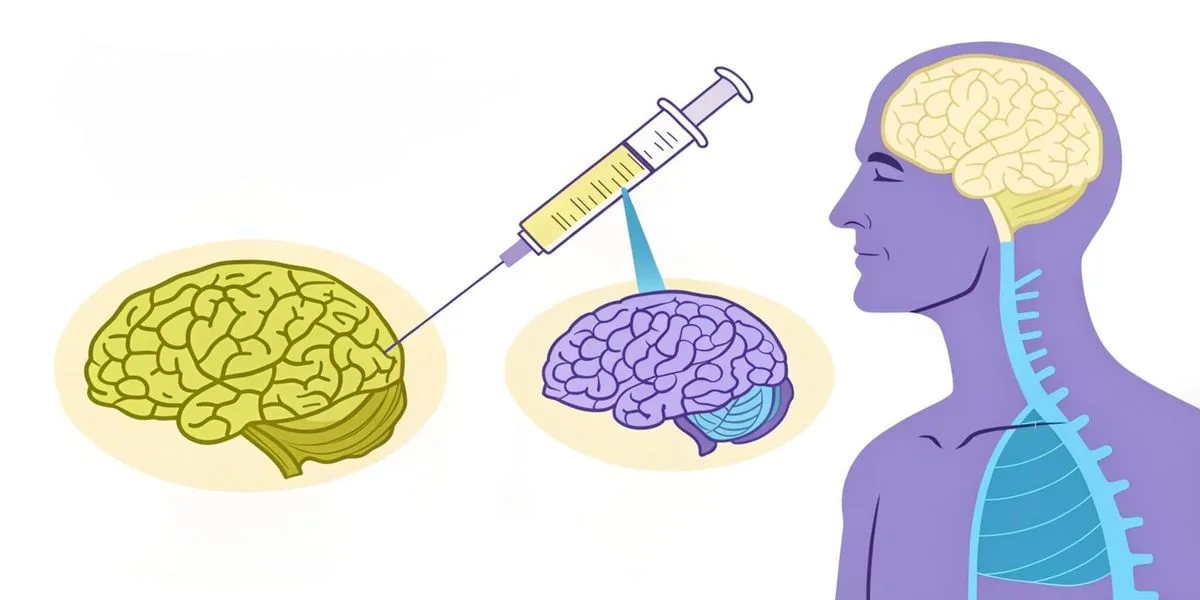
This method involves injecting cells directly into damaged areas of the brain or spastic muscles. It provides targeted action but requires highly qualified specialists.
Combined Therapy
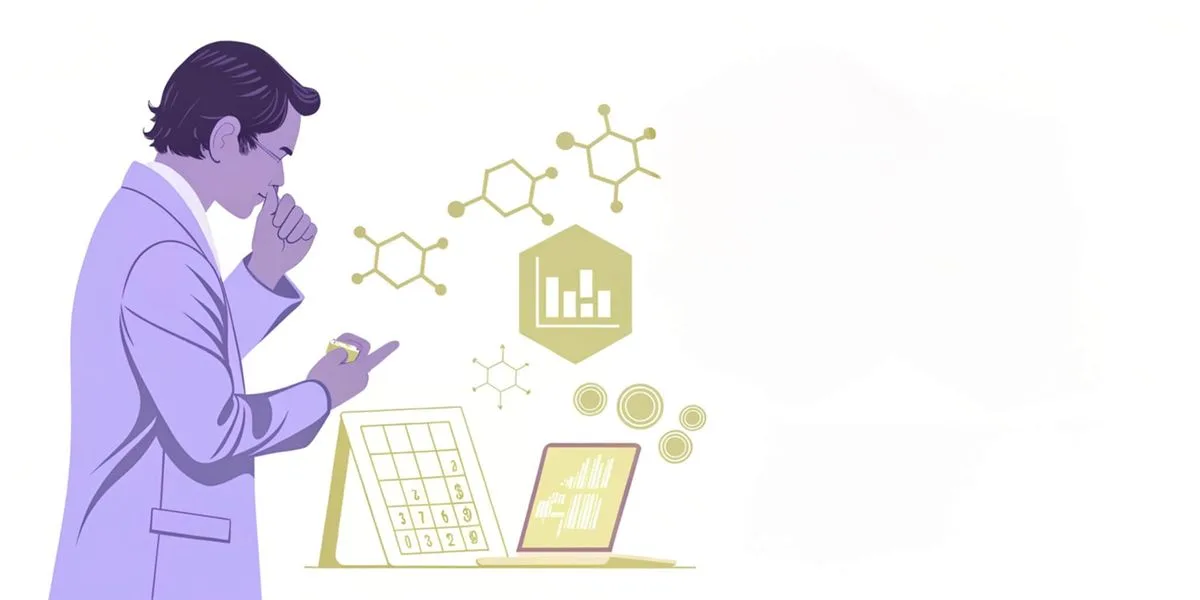
Combining intravenous and local administration achieves the maximum therapeutic effect. This method is especially effective for severe forms of cerebral palsy.
Preparing for Cell Therapy
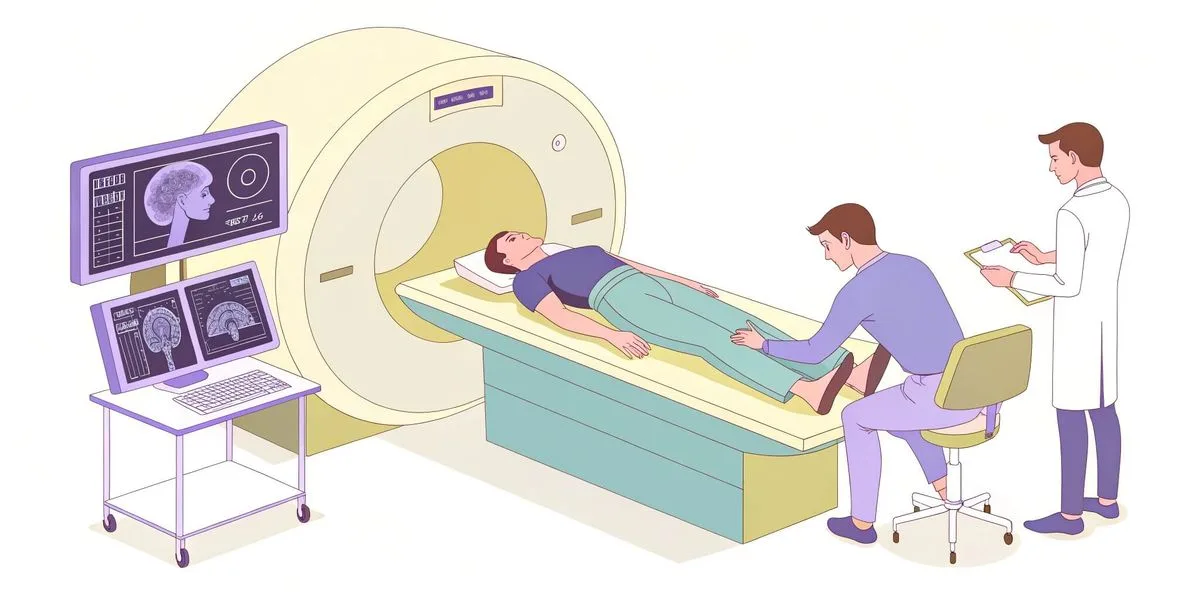
Before treatment begins, a comprehensive evaluation is carried out:
- Detailed review of medical history
- Brain MRI
- Electroencephalography (EEG)
- Laboratory diagnostics
- Selection of the optimal cell type
An Individualized Approach to Treatment

When choosing a treatment method, the following factors are taken into account:
- The form and severity of cerebral palsy
- The patient's age
- Any coexisting conditions
- Results of previous treatment
Post-Procedure Monitoring and Rehabilitation
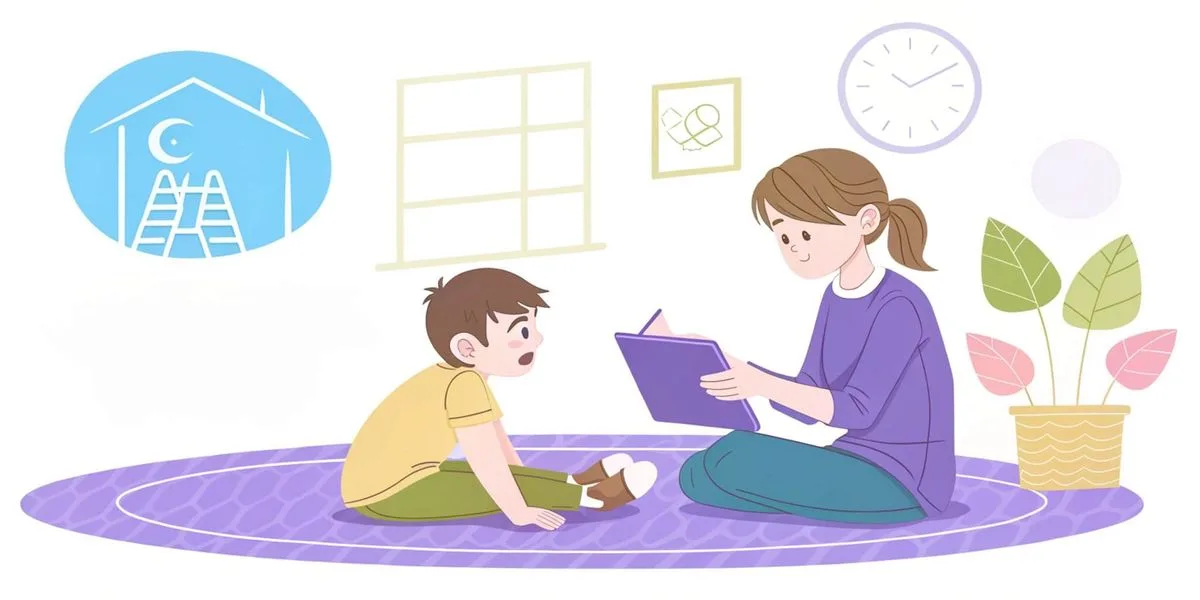
After stem cell administration, the child is prescribed:
- Regular monitoring
- Comprehensive rehabilitation
- Physical therapy sessions
- Speech therapy sessions
- Therapeutic exercise (physical therapy)
The effectiveness of stem cell treatment increases significantly with a comprehensive rehabilitation plan and an individually tailored approach.