Stem Cell Treatment for Cerebral Palsy: An Innovative Path to Recovery

Cerebral palsy (CP) is a serious neurological condition caused by damage to the brain. It significantly limits a child's motor function and coordination, creating major obstacles to their development.
Modern medicine now offers stem cell therapy for cerebral palsy. This approach opens up new possibilities for restoring the nervous system and improving quality of life for young patients.
How Stem Cells Work in Neurological Conditions
The Unique Properties of Stem Cells
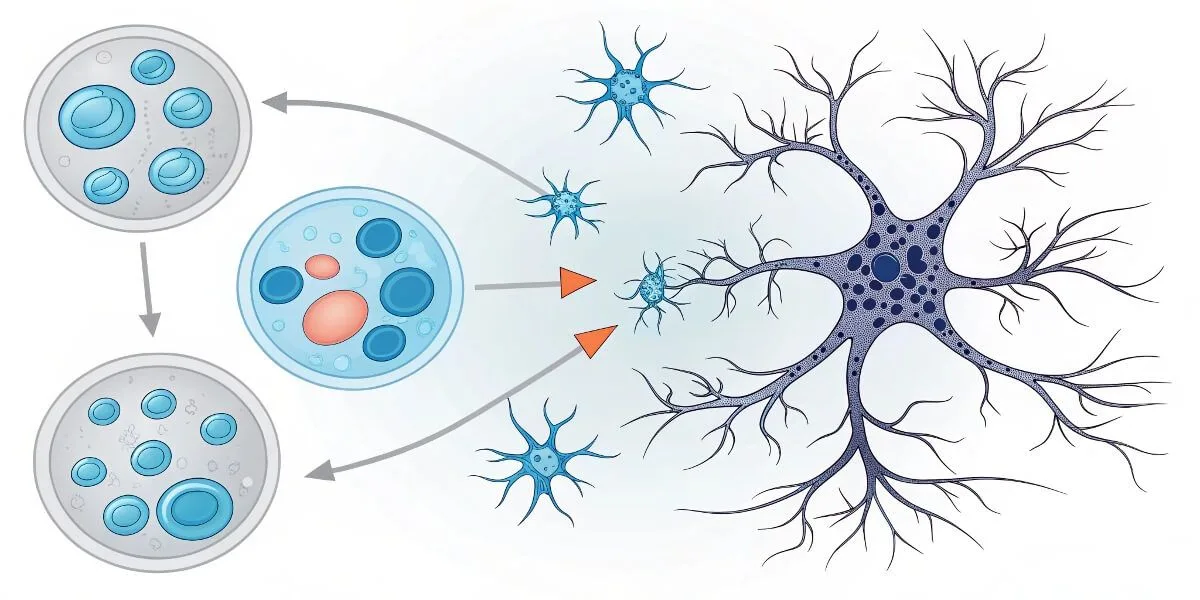
Stem cells have the ability to transform into different types of cells in the body. In treating neurological conditions, they perform several important functions:
Restoring Nervous Tissue:
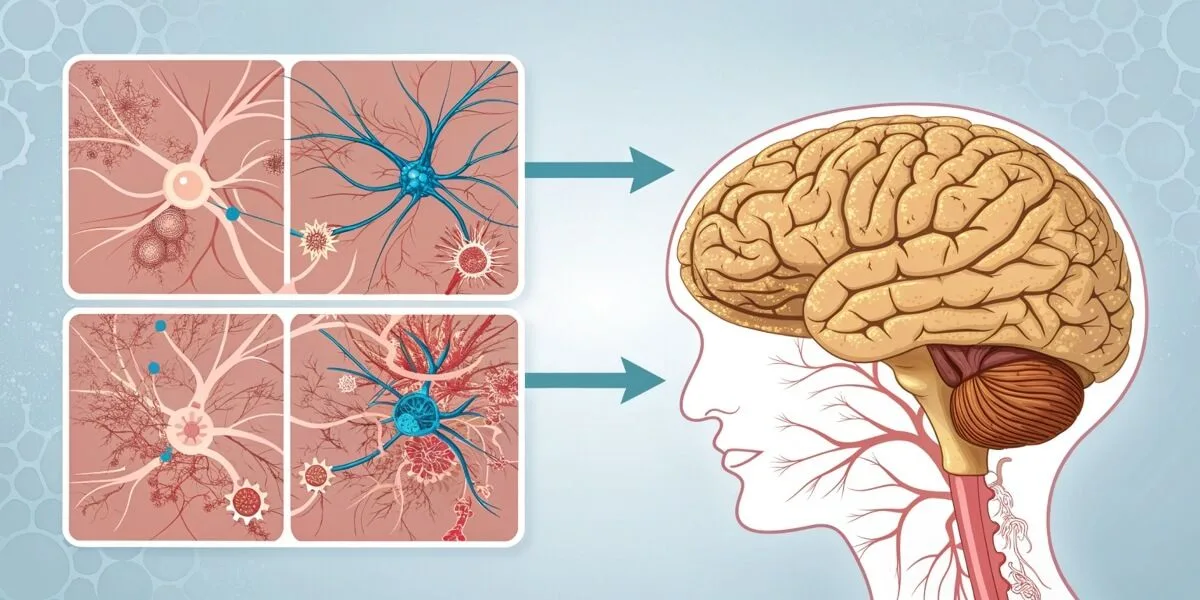
- Replacing damaged neurons
- Forming new neural connections
- Stimulating the regeneration of existing cells
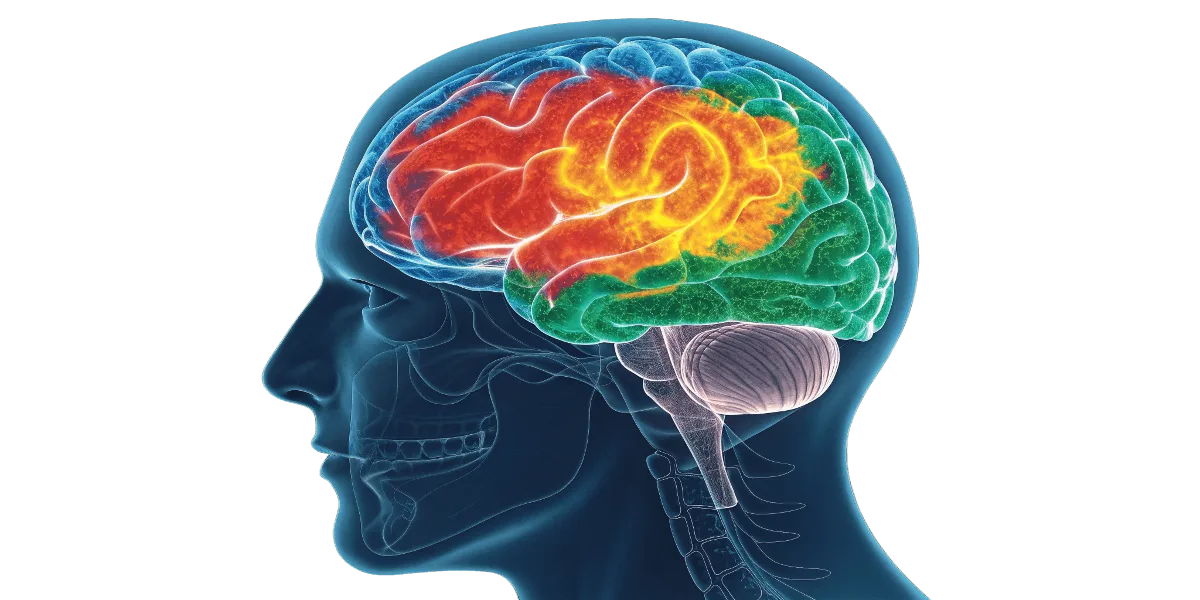
Anti-Inflammatory Action:
- Reducing inflammatory processes in the brain
- Creating a favorable environment for recovery
- Improving metabolism in nervous tissue
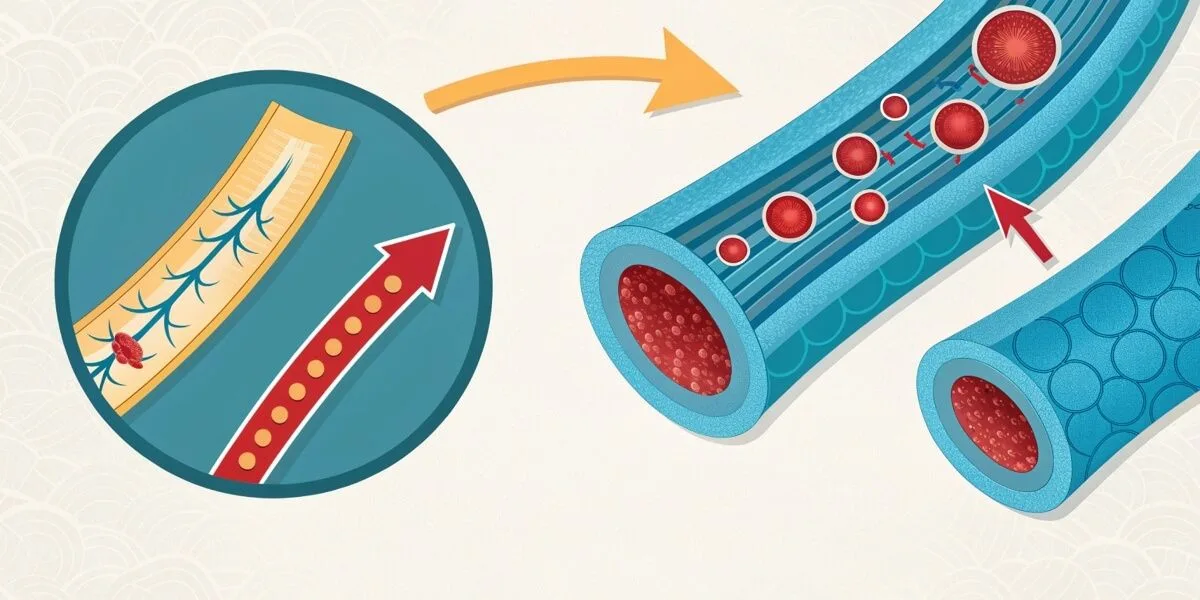
Improving Blood Supply:
- Forming new blood vessels
- Enhancing microcirculation
- Optimizing the delivery of nutrients
Effectiveness and Safety of Cell Therapy
Treatment Outcomes

Clinical studies by Han's Biotech (汉氏联合) show positive progress in patients following stem cell treatment:
- Improved movement coordination
- Progress in speech development
- Enhanced cognitive function
Procedure Safety
Stem cell therapy is considered a minimally invasive treatment method. However, before starting therapy it is important to:
- Undergo a complete medical evaluation
- Get a specialist consultation
- Assess possible contraindications
- Discuss potential risks
A Comprehensive Approach to Treatment
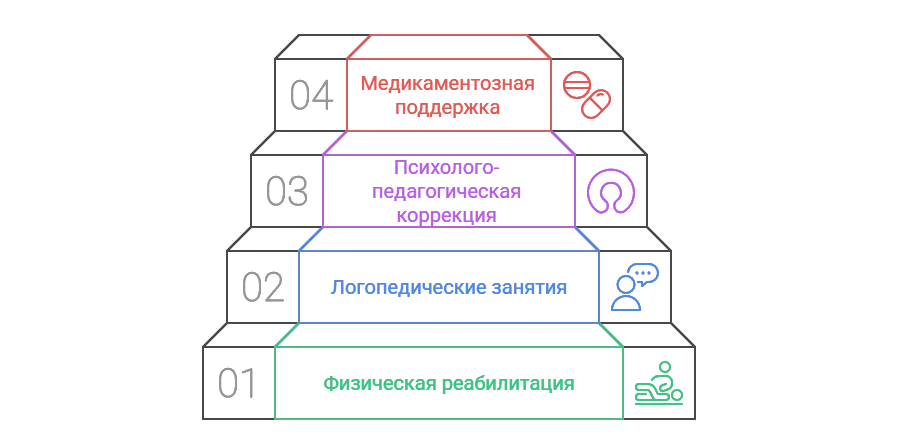
Stem cell therapy shows the best results when combined with:
- Physical rehabilitation
- Speech therapy sessions
- Psychological and educational support
- Medication support
Conclusion
Stem cell treatment for cerebral palsy is a promising method that offers hope for a meaningful improvement in quality of life for children with this diagnosis. Stem cells can regenerate nervous tissue, reduce inflammation, and stimulate neuroplasticity. It's important to remember that this is not a cure-all, but one of several treatment options that should be used alongside other rehabilitation measures.