What Stem Cells Are and Why They Matter in Modern Medicine
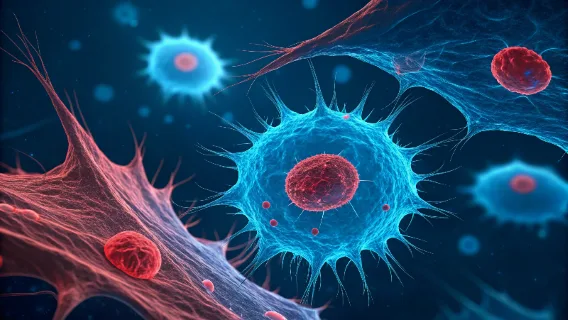
Stem cell therapy is becoming one of the most transformative fields in 21st-century medicine. Umbilical cord-derived mesenchymal stem cells (MSCs) play a particularly important role here — unique cells with remarkable therapeutic potential. They have three key properties:
- The ability to proliferate (multiply actively)
- The ability to differentiate (transform into other cell types)
- An immunomodulatory effect (regulating the immune response)
Top 10 Conditions Treatable with Stem Cell Therapy
1. Diabetes: New Treatment Possibilities
MSC therapy for diabetes aims to restore pancreatic function. Stem cells help to:
- Regenerate insulin-producing β-cells
- Reduce insulin resistance in type 2 diabetes
- Stabilize blood glucose levels

2. Treating Neurological Conditions with Stem Cells
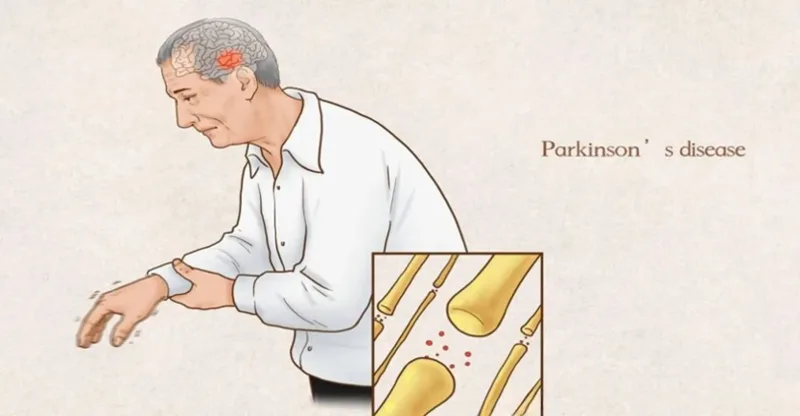
In Parkinson's disease, MSCs:
- Release neurotrophic factors
- Support the survival of dopamine-producing neurons
- Improve patients' motor function
3. Restoring Ovarian Function in Premature Ovarian Insufficiency
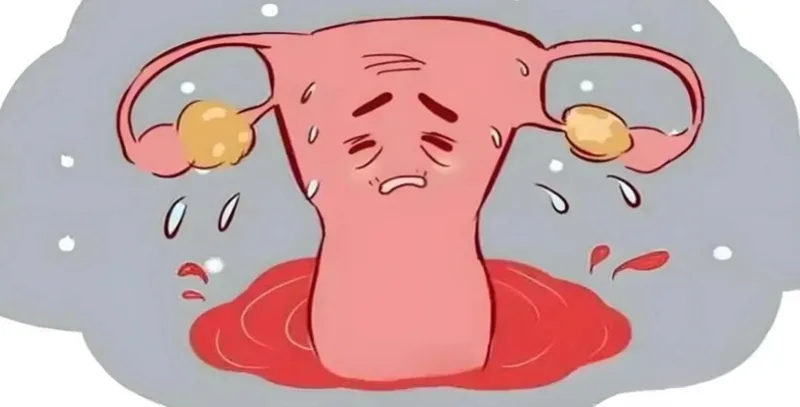
MSCs help restore women's reproductive health through the following mechanisms:
- Stimulating the formation of new blood vessels in ovarian tissue
- Differentiating into healthy ovarian tissue cells
- Restoring hormonal balance through estrogen production
- Improving the ovarian microenvironment via specialized cytokine proteins
4. Treating Autoimmune Conditions with Stem Cell Therapy
Rheumatoid Arthritis
MSCs effectively combat joint inflammation by:
- Suppressing excessive immune system activity
- Reducing inflammatory processes
- Protecting joint tissue from further damage

Systemic Lupus Erythematosus
Cell therapy helps patients by:
- Regulating the immune response
- Reducing autoimmune attacks
- Restoring damaged tissue
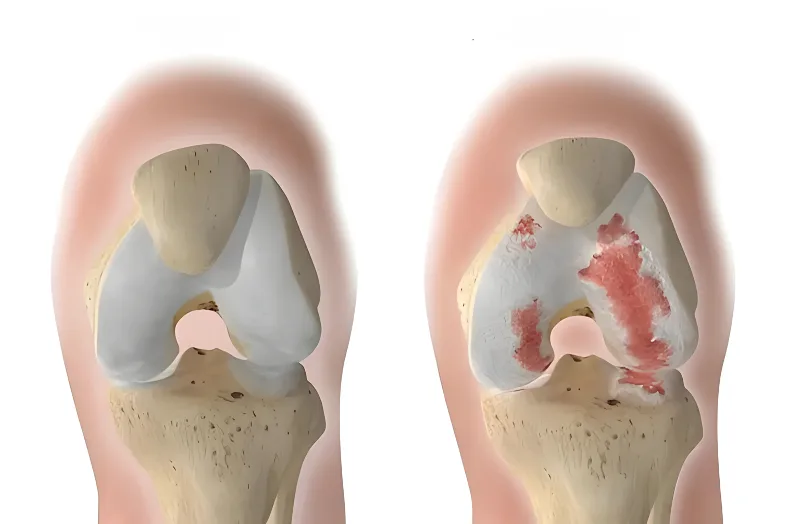
5. Innovative Treatment for Joint Disorders
In osteoarthritis, MSCs provide:
- Restoration of cartilage tissue by differentiating into chondrocytes
- Slower inflammatory processes
- Improved joint mobility
- Reduced pain
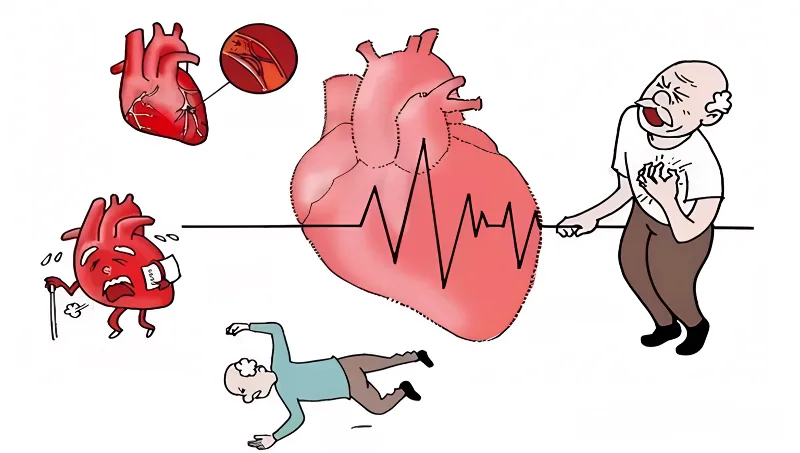
6. Stem Cell Applications in Cardiology
Recovery After a Heart Attack
MSCs support heart muscle recovery through:
- Regeneration of damaged cardiomyocytes
- Improved blood supply to heart tissue
- Reduced scar tissue area
Treating Heart Failure
Cell therapy can:
- Improve the heart's pumping function
- Slow disease progression
- Enhance patients' quality of life
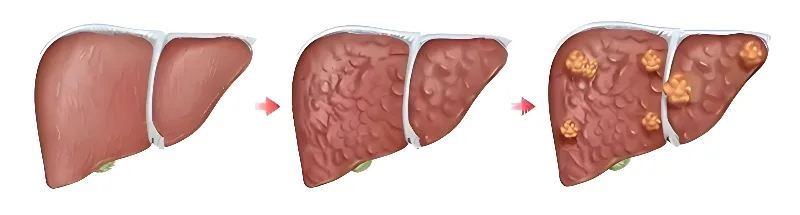
7. Innovative Approaches to Treating Liver Disease
In liver cirrhosis, MSCs provide:
- Slower fibrosis progression
- Restoration of functional liver tissue
- Improved detoxification function
- Normalization of liver blood markers
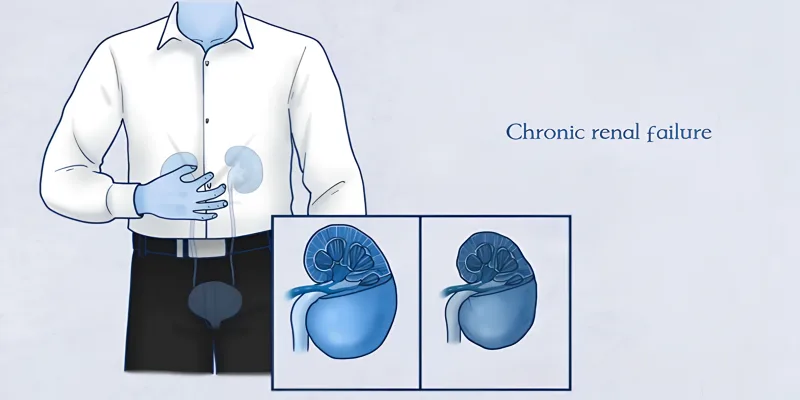
8. Treating Kidney Failure with Stem Cells
In kidney disease, MSCs help to:
- Regenerate renal parenchyma
- Reduce the severity of fibrosis
- Improve filtration function
- Stabilize nitrogen metabolism markers
9. Therapy for Lung Conditions
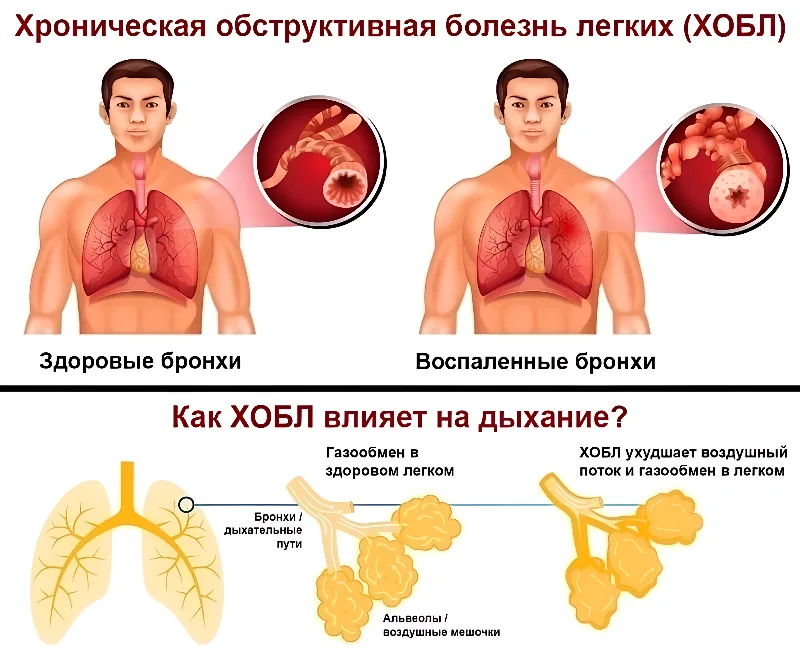
In COPD, MSC treatment provides:
- Restoration of alveolar epithelium
- Improved gas exchange
- Reduced bronchial inflammation
- Enhanced lung function
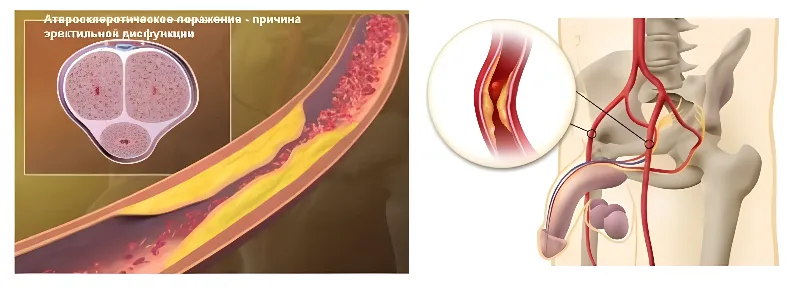
10. New Approaches to Treating Erectile Dysfunction
MSCs support men's health through:
- Improved blood supply to the reproductive organs
- Restoration of nerve endings
- Stimulation of new blood vessel formation
- Normalization of erectile function
The Future of Cell Therapy
Research into stem cell applications continues to open up new treatment possibilities for a wide range of conditions. By 2025, we can expect:
- An expanding range of conditions treatable with MSCs
- Improved effectiveness of existing therapy protocols
- Better methods for harvesting and culturing stem cells
- Lower treatment costs as technology advances
Conclusion: The Outlook for Cell Therapy
The use of umbilical cord-derived mesenchymal stem cells is opening a new era in medicine. However, it's important to understand that prescribing cell therapy requires an individualized approach. Before starting treatment, patients need a consultation with a qualified specialist who can assess the indications, contraindications, and likely effectiveness of therapy for their specific case.