Rehabilitation for patients with Down syndrome is a long-term, comprehensive process. Down syndrome, also known as trisomy 21, is one of the most common chromosomal disorders. It is caused by an extra copy of chromosome 21, which leads to specific physical features and developmental delays in children.
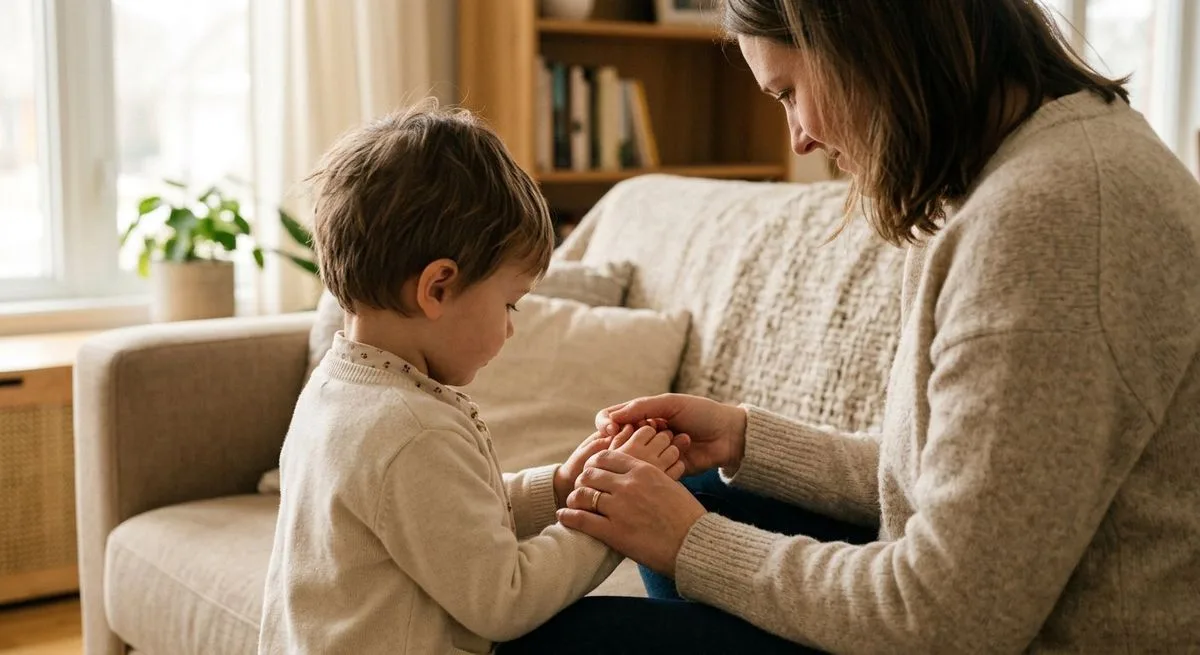
Our team of professional rehabilitation therapists designs individualized treatment programs based on each child's specific needs. Family support plays a crucial role: parents actively participate in the rehabilitation process, providing the child with the care and encouragement needed to progress.
The rehabilitation program includes the following key methods:
1. Physical training
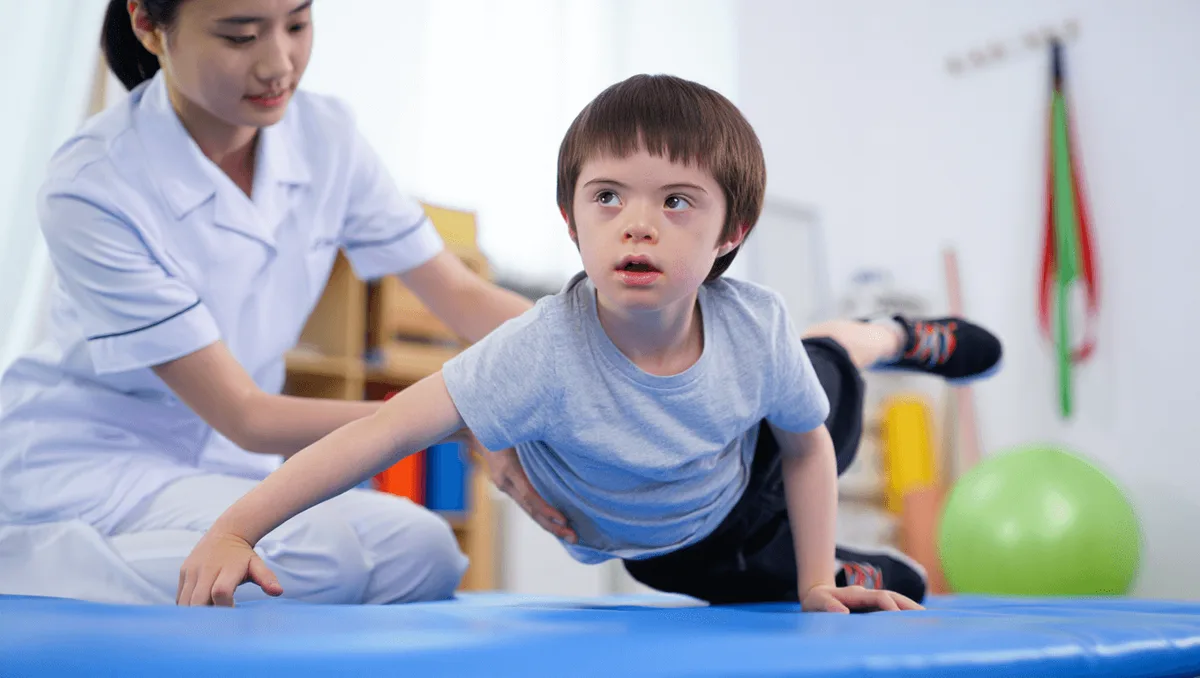
- Gross motor skills training: Exercises such as walking with support, running, jumping, and climbing stairs are aimed at strengthening the child's muscle strength, balance, and coordination.
- Fine motor skills training: Activities such as sorting beans, threading beads, drawing, and writing help improve hand flexibility and hand-eye coordination.
2. Language training
- Pronunciation training: Starts with simple sounds, vowels, and consonants, gradually progressing to words and sentences.
- Language comprehension and expression training: Using pictures, stories, and games helps the child understand the meaning of words and express their needs and thoughts.
3. Cognitive training
- Attention training: Puzzles, spot-the-difference games, and number games help develop the child's concentration and attention.
- Memory training: Using flashcards for memorization and storytelling helps improve memory.
- Thinking skills training: Logic exercises, classification, and sorting tasks support the development of reasoning skills.
4. Social skills
- Emotional management: Teaching the child to recognize and express emotions, as well as to manage emotional reactions.
- Social interaction: Interacting with children of the same age teaches sharing, cooperation, and communication.
5. Self-care skills
- Daily living skills: Teaching dressing, washing, and eating independently increases the child's autonomy.
6. Sensory integration (SIT)
- Sensory integration training: A series of targeted games and activities, such as swinging, walking on a balance board, and playing with sensory balls, improves sensory integration, supports brain and body development, and enhances learning ability, motor skills, and social adaptation.
7. Psychomotor rehabilitation
Psychomotor rehabilitation is a rehabilitation method aimed at improving mental state, psychological function, and motor ability through physical exercise, sensory stimulation, and cognitive training.
It is primarily used for individuals with:
- Mental health conditions (such as schizophrenia, depression, autism spectrum disorder (ASD))
- Neurological conditions (such as Parkinson's disease, stroke)
- Developmental disorders (such as ADHD, intellectual disability)
The rehabilitation plan is developed individually and may include:
- Physical training: Improving balance, coordination, and strength.
- Sensory training: Stimulating tactile, visual, and auditory perception to improve sensory ability and responsiveness.
- Cognitive training: Improving attention, memory, and thinking skills.
- Emotional regulation: Exercises and physical activity to help manage emotions and reduce anxiety, depression, and other negative states.
8. CME method
The CME method: Exercises aimed at improving muscle tone and increasing the child's flexibility and mobility, helping to avoid the need for major surgery.
Medication
There is currently no medication that treats Down syndrome itself, but in certain cases medication may be used to manage associated symptoms and complications:
- Congenital heart disease may require cardiovascular medications
- Hypothyroidism is managed with thyroid hormone replacement therapy
- Sleep disturbances may be treated with sleep-supporting medications
- Co-occurring mental health and behavioral issues may be managed with appropriate psychotropic medications, under strict medical supervision
Choosing the right treatment requires consultation with a neurologist, since Down syndrome is a functional disorder caused by genetic factors.
Medications currently used for symptomatic treatment may include:
- Cerebrolysin injections
- Methylcobalamin injections
- Musk (麝香) injections
- Mouse nerve growth factor injections
Conclusion
Rehabilitation for children with Down syndrome is a long-term process that requires patience, consistency, and an individualized approach. The comprehensive programs at the NeuroLife center are designed to help each child reach their full potential, achieving the best possible results in physical, cognitive, and social development.
Research shows that starting rehabilitation early and maintaining consistency significantly improves outcomes and quality of life for children with Down syndrome. With the right support, many of these children go on to integrate successfully into society, receive an education, and lead full lives.
For more information about our rehabilitation programs or to book a consultation, please get in touch with us.
📞 Book a consultation: +86 136 8088 0512
📨 Or reach us by email: info@dcp-china.ru