
What ADHD Is and How It Affects a Child
Attention-deficit/hyperactivity disorder (ADHD) is a neurodevelopmental condition marked by difficulty concentrating, excessive activity, and impulsivity. These traits can seriously complicate schoolwork, relationships with peers, and everyday tasks.
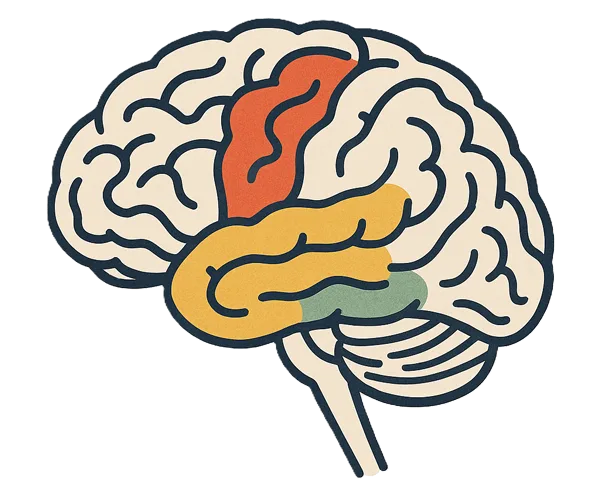
ADHD also affects the brain's executive functions — the abilities that let a child manage their own behavior. This includes impulse control, cognitive flexibility, and working memory (the ability to hold information "in mind" while solving a problem). That's precisely why a comprehensive approach to treatment is needed for meaningful improvement.
Physical Activity: More Than Just Movement
Alongside medication and behavioral therapy, current research confirms that regular physical exercise plays an important role in supporting children with ADHD. Sports training doesn't just channel excess energy in a productive direction — it also helps build important skills.
Two Training Approaches That Work
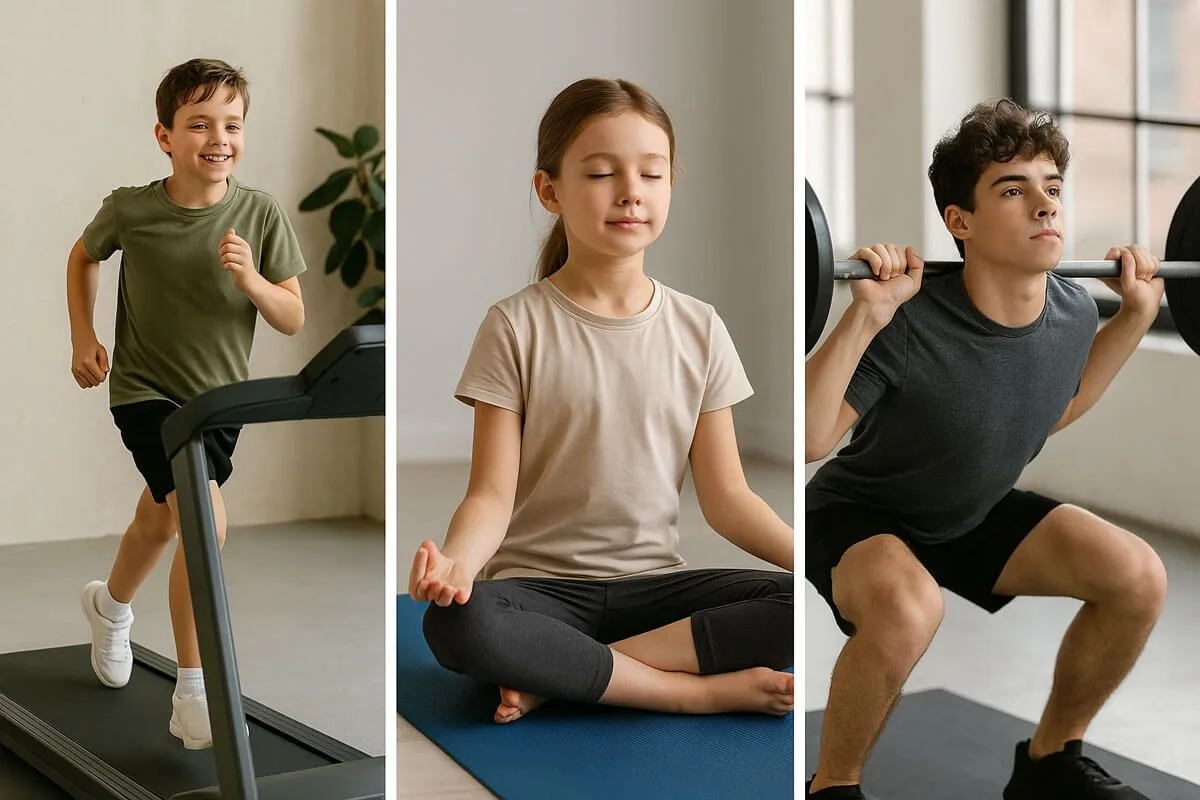
1. Closed skills (CSE) — repetitive, predictable activities:
- treadmill running
- yoga
- strength training
These types of training help reduce hyperactivity and build self-control. Regular movement with a clear structure gives a child a sense of order and stability.
2. Open skills (OSE) — sports that require quickly adapting to a changing situation:
- basketball
- swimming
- dance
This kind of training is excellent for building focus and decision-making ability. It also helps form new connections in the brain, which matters for cognitive development.

The Optimal Training Routine
For a noticeable result, it's enough to train two or more times a week at moderate to high intensity for at least 12 weeks. What matters far more than the specific sport is consistency.
How to Get Your Child Interested
For physical activity to pay off, a child needs to actually enjoy it. Here are three strategies to help build a lasting habit:
1. Make it fun
- Mix up activities, add family walks or games you play together
2. Bring in a social element
- Group training, sports clubs, or challenges with small rewards boost motivation
3. Build the habit
- Track progress in a journal, and be sure to praise effort — not just results
Conclusions and Practical Next Steps
Physical activity is an accessible and effective tool for supporting children with ADHD. Training that involves interaction and decision-making is especially beneficial. Regular activity improves behavior, attention, academic performance, and emotional resilience.
Support from parents and teachers greatly amplifies the positive effect of these activities.
📍If you'd like to put together the right training program for your child or get a personal consultation, book an appointment. You can start small — the important thing is to start!