Introduction
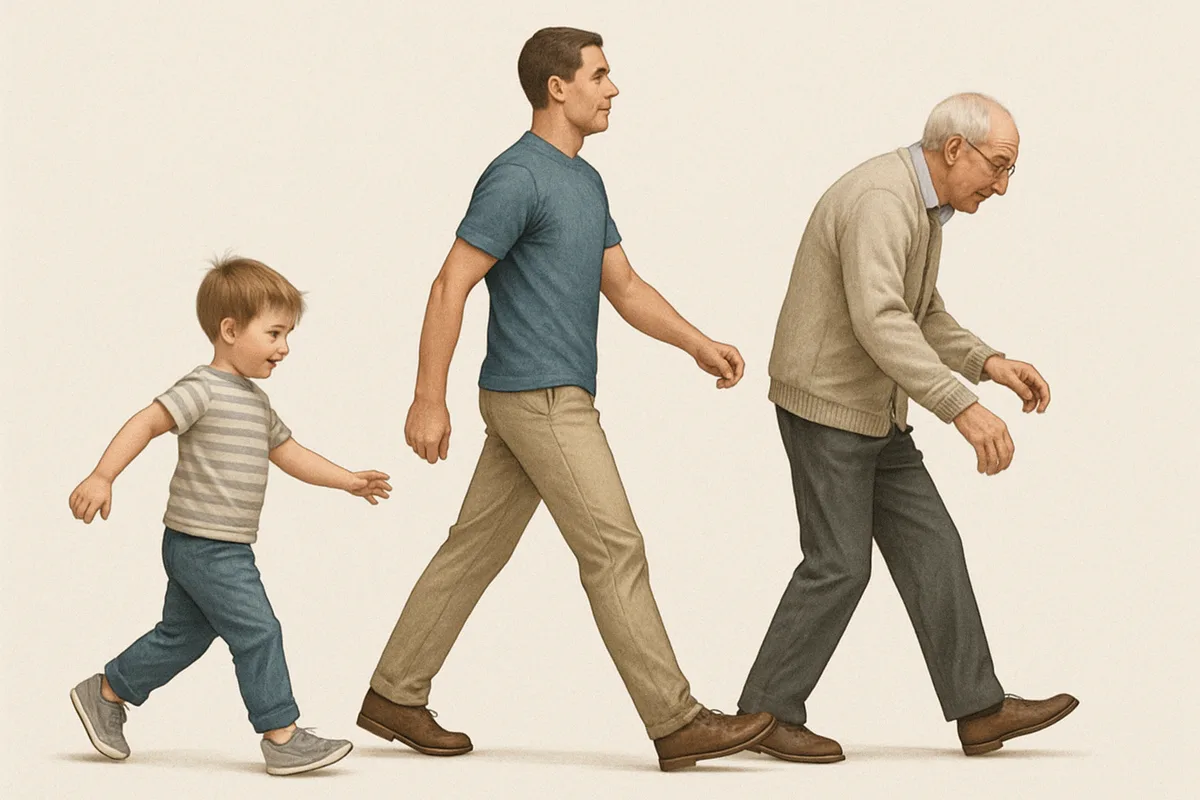
In everyday life, gait — the way we walk — is not just a reflection of personal style, but an important indicator of overall health. From the light bounce of a toddler's first steps to the confident stride of adults and the more careful walk of older people, every step carries a wealth of information about how our body is functioning.
What Is Gait?
Gait is the pattern of movement a person (or animal) uses while walking, including posture, rhythm, step length, balance, and the coordination of different parts of the body. It is a key part of motor function, reflecting the coordinated work of the nervous, muscular, skeletal, and joint systems.
Key Components of Gait
1. The Gait Cycle
The gait cycle is the complete process of walking, from the moment one foot touches the ground to the next time that same foot touches down again. It is a central concept in gait analysis and describes the temporal and spatial characteristics of lower-limb movement.
The cycle is divided into two main phases:
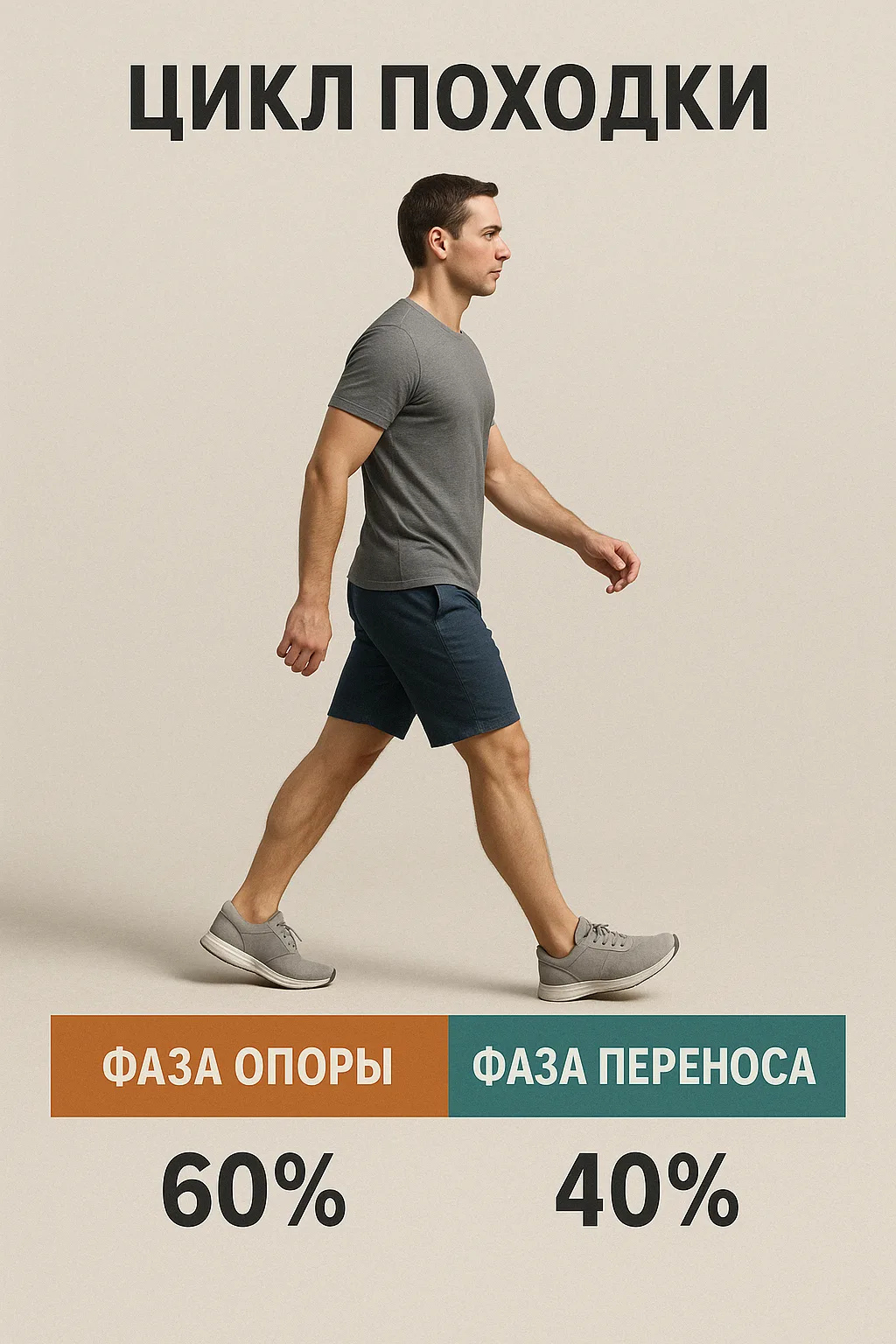
- Stance Phase (about 60% of the cycle) — when the foot is in contact with the ground.
- Swing Phase (about 40% of the cycle) — when the foot lifts off the ground and moves forward.
2. Breaking Down the Gait Cycle
Stance Phase includes:
- Initial Contact — the heel touches the ground, marking the start of the cycle.
- Loading Response — body weight shifts onto the supporting leg.
- Mid-Stance — the body is fully positioned over the supporting leg.
- Terminal Stance — the heel lifts off, and weight shifts forward.
- Pre-Swing — the toe lifts off, preparing for the swing phase.
Swing Phase includes:
- Initial Swing — the foot lifts off the ground.
- Mid-Swing — the foot moves forward.
- Terminal Swing — the leg decelerates before the next foot contact.
3. Gait Cycle Parameters
4. Center-of-Mass Displacement Parameters
The center of mass (COM) is typically located in the pelvic region.
Directions of displacement:
- Lateral (left/right) — depends on which leg is bearing weight.
- Anterior-posterior — shifts forward with each step.
- Vertical — small up-and-down oscillations.
Why Center-of-Mass Shift Matters
1. Gait Stability
- Normal displacement of the center of mass keeps walking stable.
- Abnormalities (excessive or insufficient displacement) can cause instability and increase the risk of falls.
2. Energy Efficiency
- Optimal displacement reduces the energy cost of walking.
- Coordination problems increase strain on the body, making walking less efficient.
3. Diagnosing Pathologies
Abnormal center-of-mass shift is characteristic of:
- Cerebral palsy (CP)
- The after-effects of stroke
- Parkinson's disease
Analyzing these changes helps with diagnosis and with designing rehabilitation programs.
Factors That Influence Gait
1. Physiological Factors
- Muscle strength (quadriceps, calf muscles) — determines stability.
- Joint mobility (hips, knees, ankles) — affects step length and smoothness of movement.
- Nervous system (cerebellum, basal ganglia) — regulates balance and walking rhythm.
2. Pathological Factors
Neurological conditions:
- Parkinsonism — shuffling gait, shortened steps.
- Stroke — a "circling" leg movement (hemiplegic/hemiparetic gait).
- Multiple sclerosis — unsteadiness, loss of coordination.
Orthopedic problems:
- Arthritis — painful limping.
- After-effects of fractures — asymmetric stride.
Age-related changes:
- Slower walking speed.
- Shorter step length.
- Poorer balance (higher risk of falls).
Common Types of Pathological Gait
Gait type Characteristic features Possible causes
Methods for Correcting Gait
Gait problems can often be improved with targeted physical exercises aimed at:
- Building muscle strength
- Developing a sense of balance
- Improving joint mobility
- Correcting walking patterns
1. Strengthening Exercises (3-4 times a week)
Goal: Strengthen the lower-limb and core muscles to stabilize gait.
Exercise 1: Wall Squats
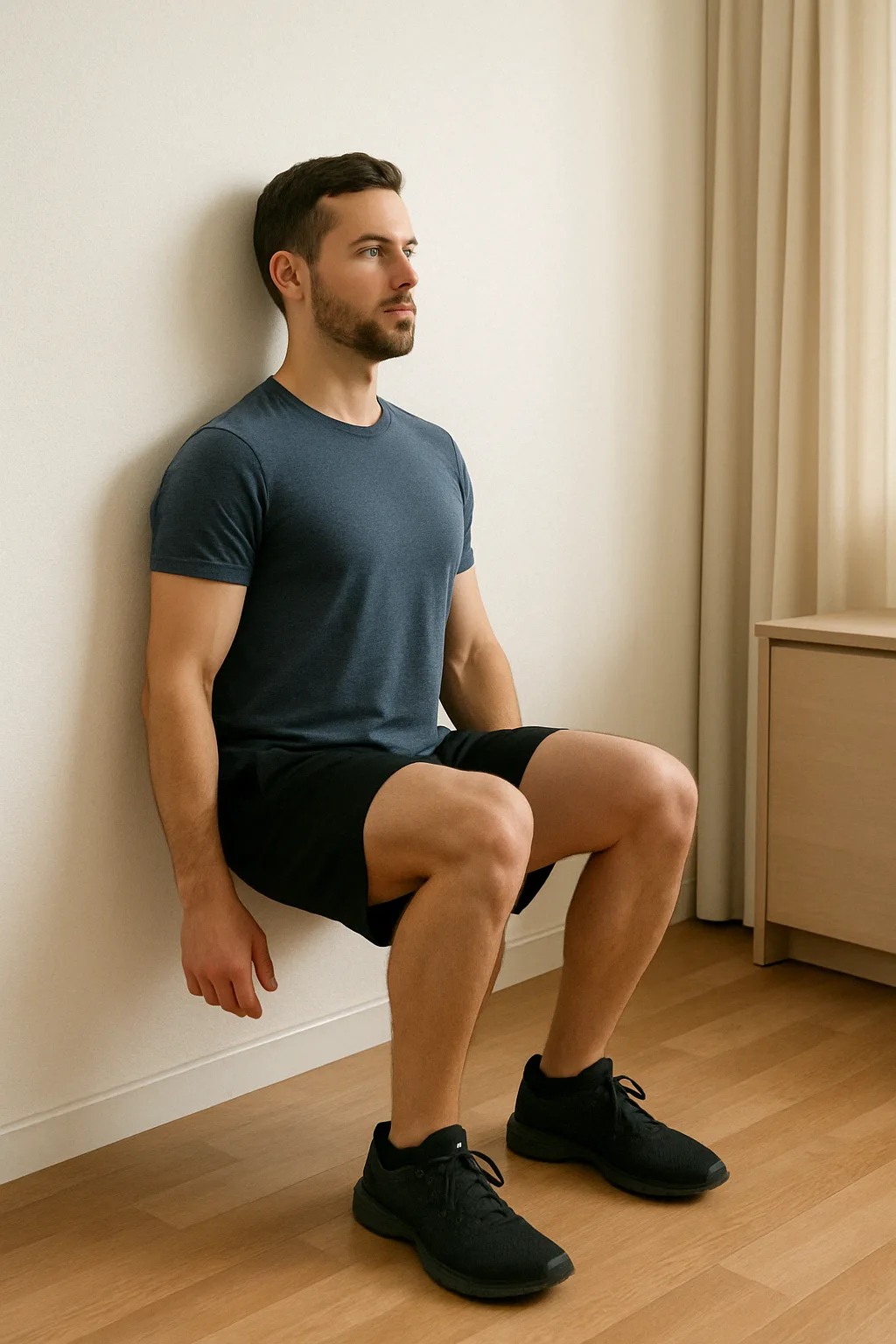
- Press your back against a wall
- Feet shoulder-width apart
- Slowly lower yourself until your thighs are parallel to the floor (knees should not go past your toes)
- Hold the position for 30 seconds, 3 sets
Effect: Strengthens the quadriceps and glutes, improves the stance phase.
Exercise 2: Single-Leg Romanian Deadlift
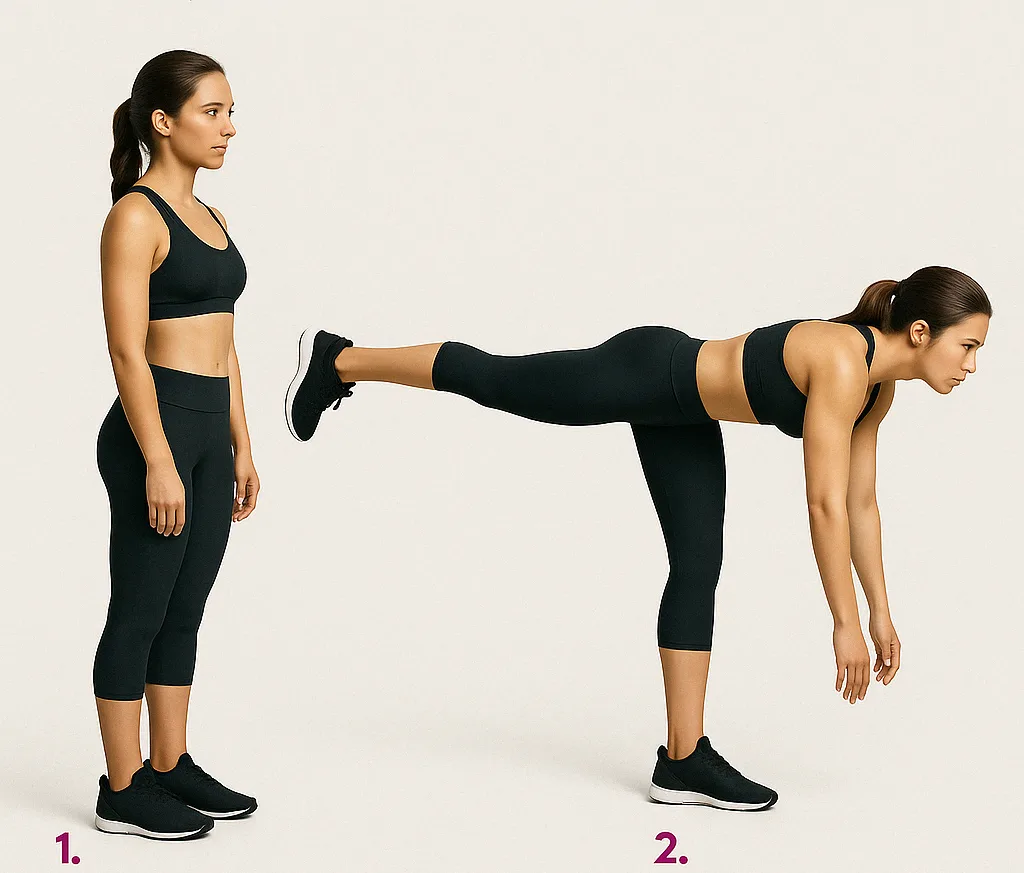
- Stand on one leg
- Extend the other leg back
- Hinge your torso forward until it's parallel to the floor
- Let your arms hang freely
- 10 repetitions per leg, 3 sets
Effect: Strengthens the glutes, hamstrings, and core muscles, improves balance.
2. Balance Training (daily)
Goal: Reduce sway while walking and improve dynamic balance.
Exercise 1: Single-Leg Stand
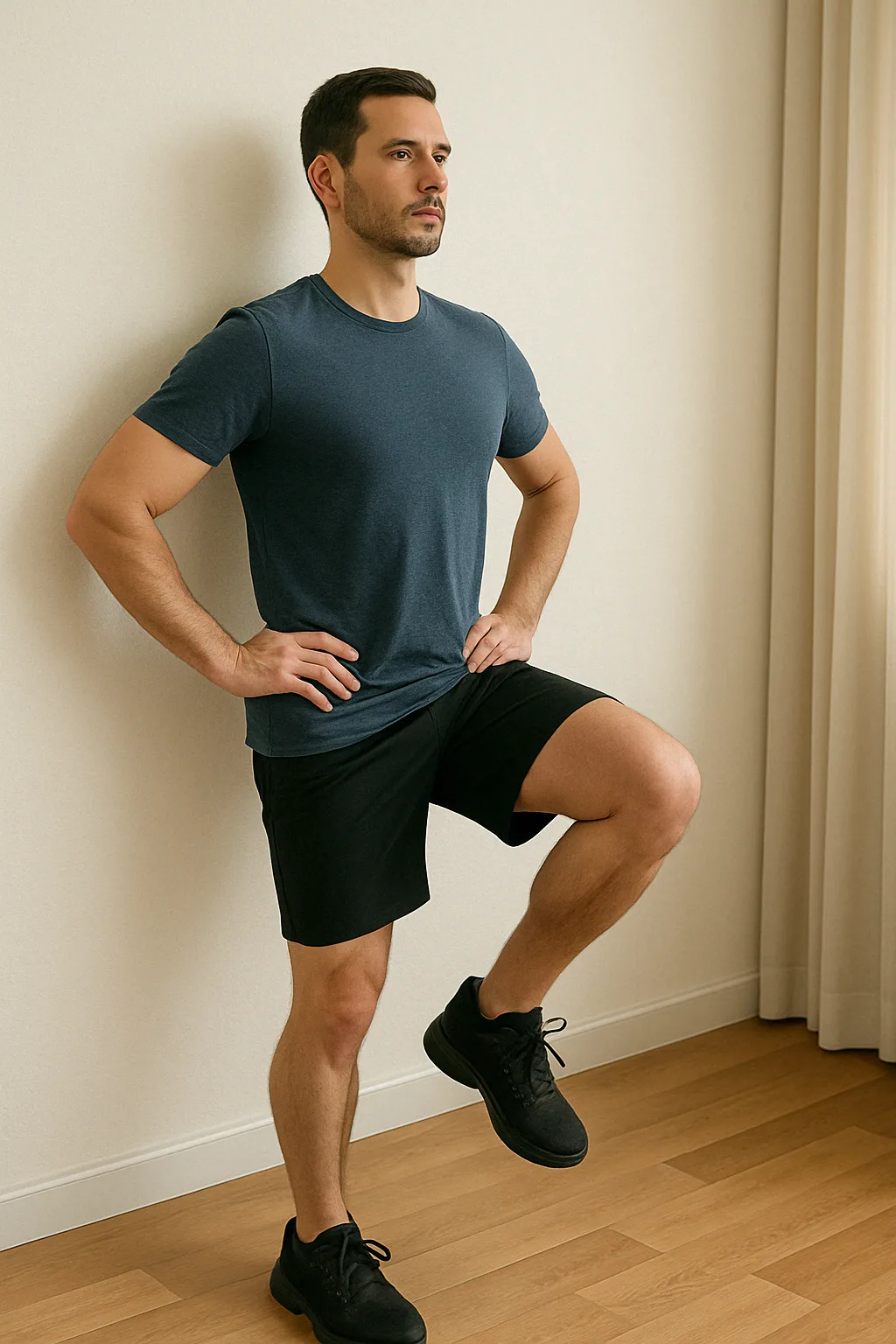
- Stand on one leg with hands on your hips
- Hold the position for 30 seconds
- 3 sets per leg
- To make it harder: Try it with your eyes closed (stay near something to hold onto)
Exercise 2: Balance Board Training
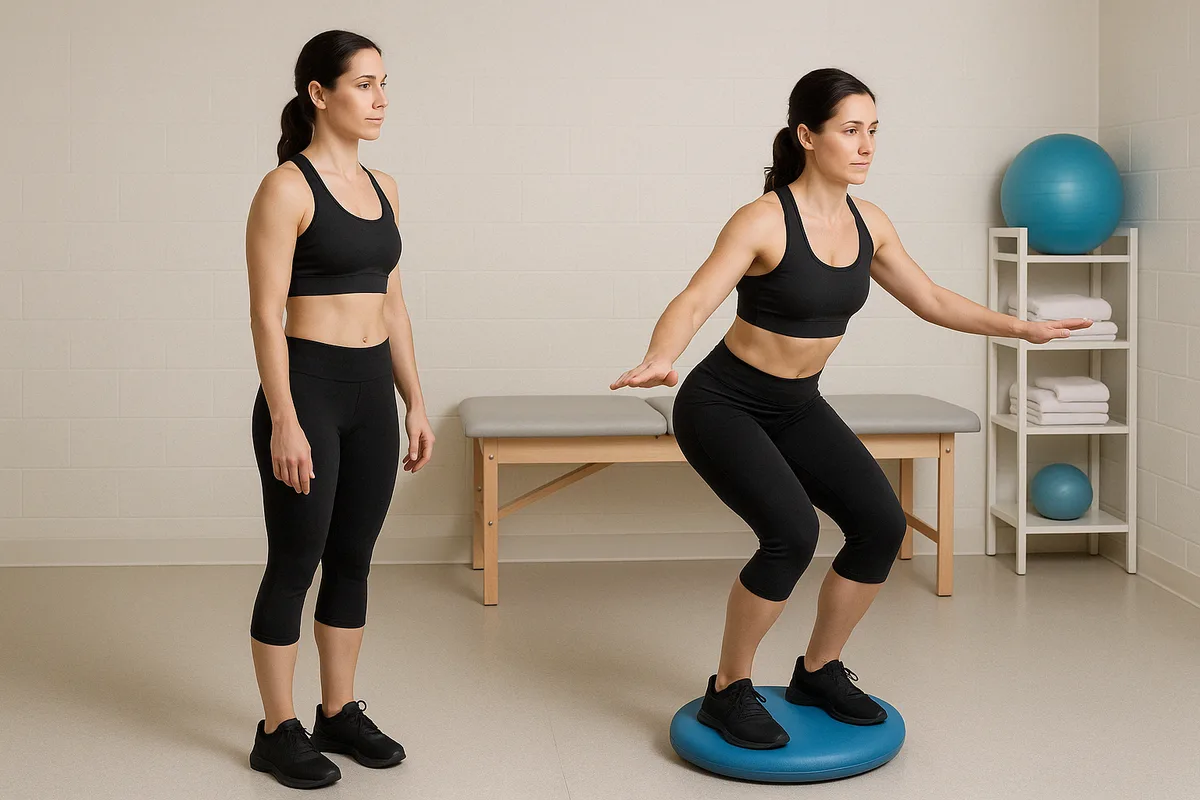
- Stand on a balance board or a soft, unstable surface
- Work on staying steady
- Shift your body weight forward-backward and side-to-side
- 5-10 minutes a day
Important:
- Assess your own abilities before you begin
- Start with simple exercises
- Keep a slow, controlled pace
- Adjust the load to match your own capabilities
Conclusion
Our gait is not just a way of getting around — it is a valuable source of information about the health of our body. Changes in gait can be an early warning sign of a wide range of conditions, from neurological disorders to orthopedic problems. Regularly doing strengthening exercises and balance training can help maintain a healthy gait and prevent problems before they develop.
Don't put off seeing a specialist. A timely consultation with a neurologist, orthopedist, or physical therapist can help identify the cause of a gait problem and design a personalized correction program. In most cases, the earlier treatment begins, the more complete the recovery that can be achieved.