Our doctors have developed methods that help manage these issues. Let's look at what two specialists — Dr. Xue and Dr. Dong Min Chen — recommend.
In Dr. Xue's words
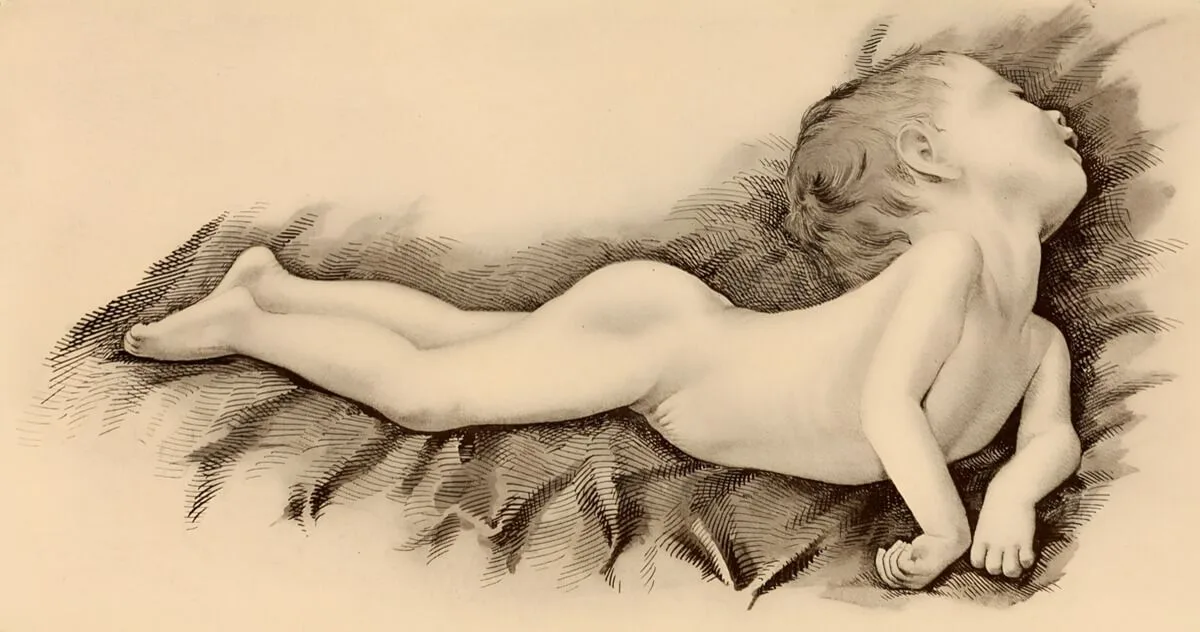
- Strengthening the opposing muscle group. For example, if a child's back arches backward, the abdominal muscles that bend the body forward need to be strengthened. This helps balance out the tension.
- Correct body positioning. When a child sits or lies in a comfortable position, it can help prevent unnecessary reflexes.
- Improving brain function. The doctor uses techniques to help the brain control the body more effectively — something like a "reset" of the signals between the brain and the muscles.
- Acupuncture. This ancient technique involves inserting thin needles into specific points on the body. It helps relax the muscles and improve the child's condition. Dr. Xue uses special "reinforcing and reducing" techniques to balance the body's energy.
These methods require working closely with a doctor, but they can produce good results.
In Dr. Dong Min Chen's words
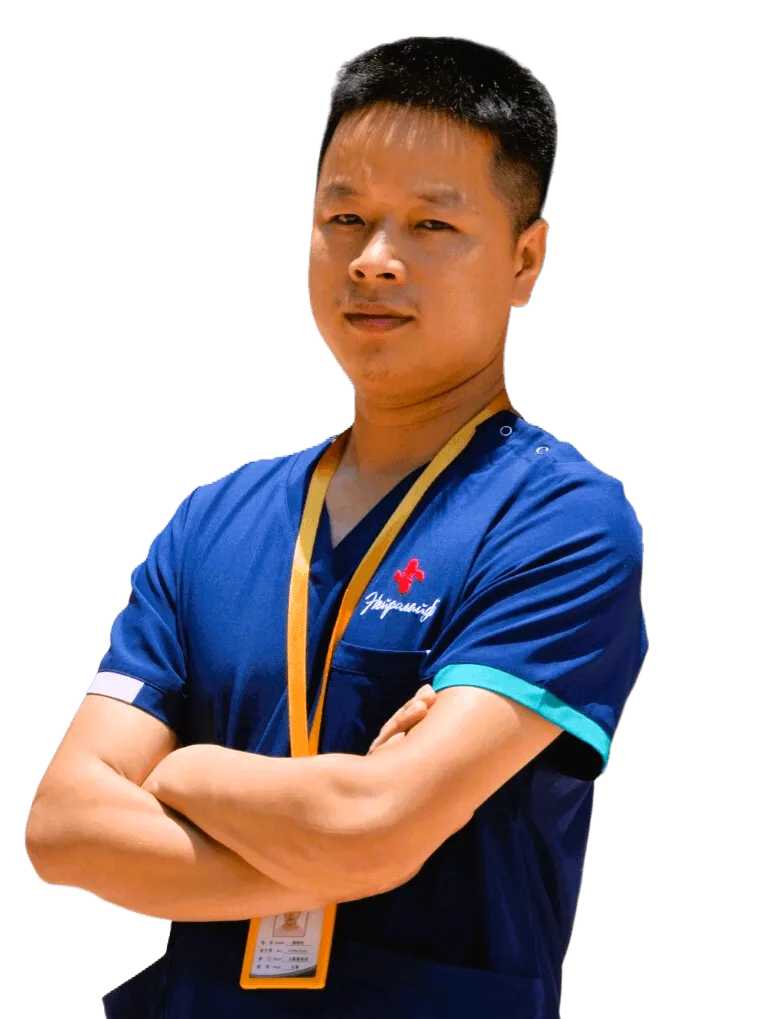
For "protective muscle hypertonia" (reflex spasm):
- Correct posture. Make sure the child is lying or sitting in a way that doesn't put extra strain on the muscles.
- Massage. Gentle kneading of the muscles helps them relax.
- Stretching. Smooth movements to lengthen the muscles and release tension.
- Reciprocal inhibition technique. These are special movements that help "unlock" the muscles.
- Bobath and Vojta techniques. These are well-known rehabilitation methods: the Bobath approach relaxes the body, while the Vojta method uses gentle pressure points to help the muscles start working correctly.
- Stimulating the opposing muscles. For example, if the back is arching, the abdominal muscles need support.
For "emotional" (physiological) tone:
- Calm the child. If they are anxious or crying, it can intensify the reflexes. Try to create a calm environment.
- Slow movements. Simple, rhythmic exercises help the child begin to move on their own.
Dr. Dong Min Chen also recommends massage, exercises, and even games that help develop the body and brain — this is known as psychomotor therapy.
Pathological Reflexes
What Are Pathological Reflexes, and Why Do They Occur?
Pathological reflexes are movements or body positions that develop differently than they do in healthy children. For example, a child may arch their back sharply backward or tense their muscles in an unusual way. This happens because, in children with cerebral palsy (CP), the brain doesn't always control the muscles correctly. The muscles may be overly tense (known as spastic CP) or, conversely, make uncontrolled movements.
These reflexes can stem from two causes:
- Pathological muscle tone — when the muscles tense up too strongly and don't relax, as if they "lock up."
- Emotional tone — tension that arises from the child's stress or strong emotions.
Recommendations for Parents
How Can Parents Help at Home?
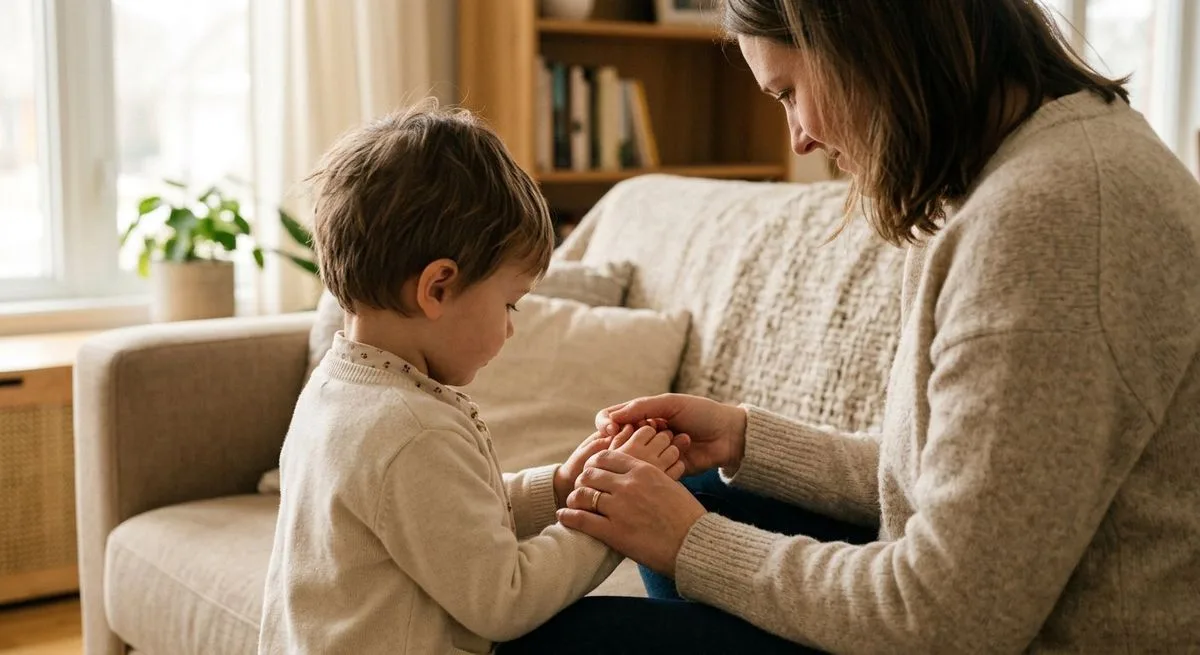
You are your child's main source of support, and there are many ways you can help them manage pathological reflexes. Here are a few simple tips:
- Watch their posture. Use pillows, rolled blankets, or special chairs to help your child sit or lie in a comfortable position. This will reduce muscle tension.
- Give gentle massage. Softly knead your child's arms, legs, or back. This helps relax the muscles and improve blood flow. If you're not sure how to do it properly, ask a doctor or physical therapist to show you.
- Try simple exercises. For example, gently bend and straighten your child's arms or legs. This strengthens the muscles and makes them more flexible.
- Create a calm atmosphere. Stress can intensify the reflexes, so try speaking softly, playing quiet music, or simply staying close so your child feels safe.
- Don't be afraid to ask for help. If you want to try something new, such as massage or exercises, consult a specialist first. They can tell you what will work best for your child.
What Else Should You Know?
Every child with CP is unique, and what helps one may not work for another. Chinese medicine offers a range of approaches — from acupuncture to massage and exercise. Some methods, such as the Bobath and Vojta techniques, may also be available from rehabilitation specialists outside China. If these ideas interest you, talk to your child's doctor — they may be able to adapt them to your situation.
Conclusion
Chinese medicine offers effective ways to help children with cerebral palsy manage pathological reflexes — muscle strengthening, correct positioning, acupuncture, massage, and targeted exercises. As a parent, you can support your child at home by creating a comfortable environment and helping them move.