Introduction
Attention-deficit/hyperactivity disorder (ADHD) is one of the most common neurodevelopmental disorders in children and adolescents. Its core features — inattention, impulsivity, and hyperactivity — can significantly affect academic performance, social relationships, and everyday life.
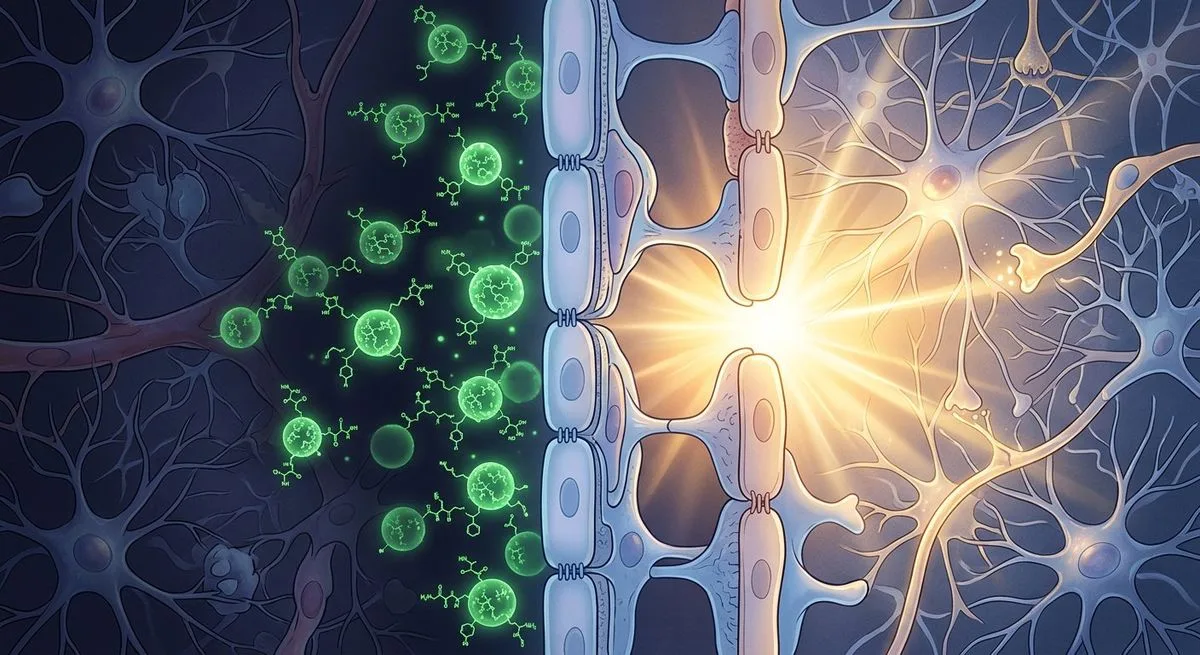
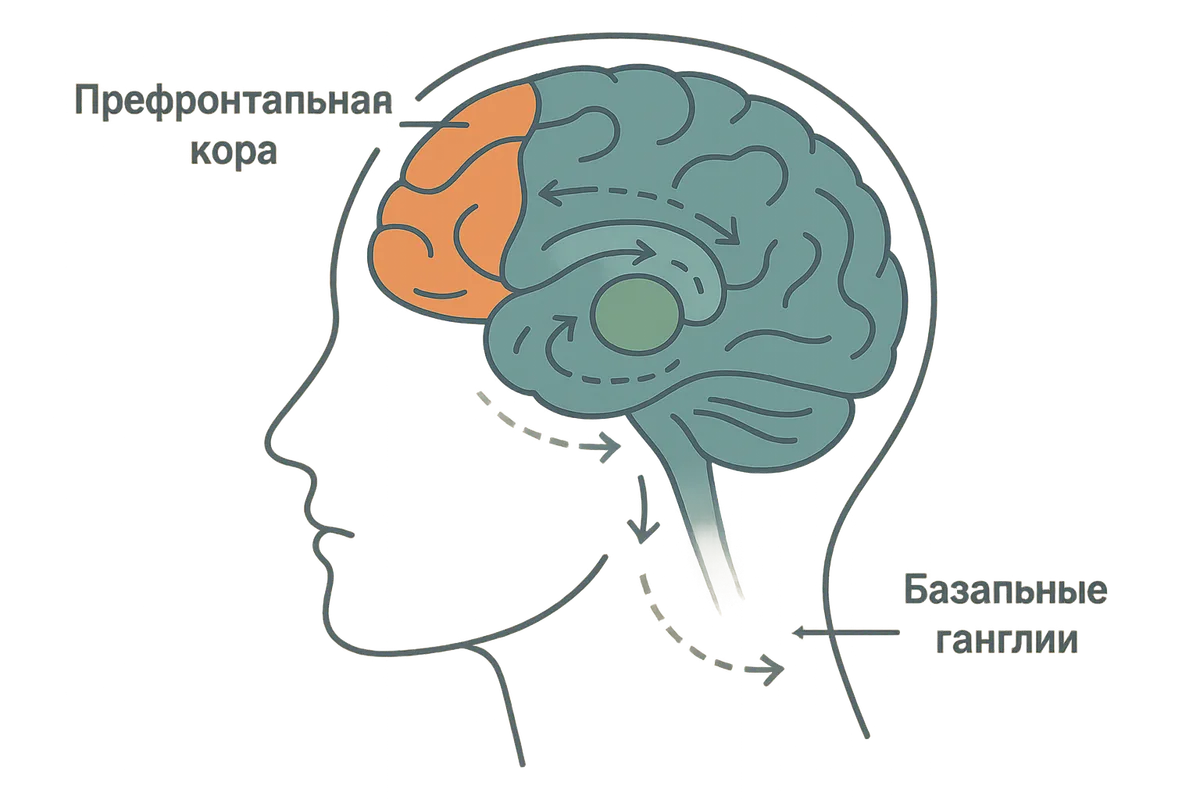
Current research shows that ADHD is linked to disruptions in specific brain regions, particularly the prefrontal cortex and basal ganglia. It's important to understand, though, that medication alone doesn't solve every problem — the best outcomes come from combining drug therapy with behavioral strategies and parent training.
In this article, we look at which ADHD treatments are genuinely effective, which lack scientific support, and offer practical recommendations based on the latest research.
Methods Without Proven Effectiveness
Sandplay Therapy
This nonverbal form of psychotherapy involves creating scenes with miniature figures in a sandbox to express emotions. While it can be helpful for anxiety or trauma, there's no convincing evidence that it works for ADHD:
- Most studies are small or based on individual case reports, without control groups or long-term follow-up
- ADHD is linked to delayed development of the brain's executive functions, and sandplay therapy doesn't directly target these areas

Other Unproven Methods
- Homeopathy: no large clinical trials demonstrate any effect on ADHD symptoms
- Aromatherapy: may help with relaxation, but doesn't affect core symptoms (inattention, hyperactivity)
- Dietary supplements (such as omega-3): study results are mixed, and any effect, if present, is minimal
Scientifically Supported Methods
Medication
Stimulants (methylphenidate, amphetamines) are considered the gold standard for ADHD treatment. They raise dopamine and norepinephrine levels, improving attention and reducing impulsivity.

- From a neuroscience standpoint, these medications boost activity in the prefrontal cortex, which often underperforms in people with ADHD
- Meta-analyses confirm significant symptom improvement, though side effects (such as reduced appetite) are possible
Behavioral Therapy
This includes several approaches:
- Functional behavior assessment to identify triggers for problem behavior
- Executive function training (planning, self-control)
- Cognitive behavioral therapy (CBT): helps children shift negative thought patterns
- Parent training: reduces family stress and improves behavior management
Mindfulness
Mindfulness training teaches focusing on the present moment without judgment.
- At the brain level, this method changes activity in the prefrontal cortex and amygdala, improving emotional regulation
- A 2018 systematic review found improved attention and reduced impulsivity with regular practice
Physical Activity
Aerobic exercise (running, swimming) stimulates dopamine production and neuron growth in the hippocampus.
- A 2019 meta-analysis confirmed improvements in executive function and attention from regular physical activity
- Research shows exercise has a beneficial effect on the brains of children with ADHD
Multimodal Treatment
Combining medication, behavioral therapy, mindfulness, and physical activity produces the best results.
- The well-known MTA study (Multimodal Treatment Study of ADHD) showed that this integrated approach outperforms any single treatment on its own

Practical Recommendations
- An individualized treatment plan: therapy should take into account the specific child's strengths and weaknesses
- Collaboration between family and school: teachers can use specific strategies to improve attention, while parents can establish a structured daily routine
- A long-term approach: ADHD often persists into adulthood, so it's important to build self-regulation skills throughout life

Conclusion
Optimal ADHD treatment combines science and practice, with medication, therapy, and lifestyle working together. It's essential to consult specialists in child and adolescent mental health, particularly those who focus on developing functional skills.
If you notice signs of ADHD in your child, don't delay seeking professional help. Early diagnosis and the right treatment plan can significantly improve quality of life and help your child reach their potential. Schedule a consultation with a child psychiatrist or neurologist — it's the first step toward effectively managing ADHD symptoms and creating the right conditions for your child's development.