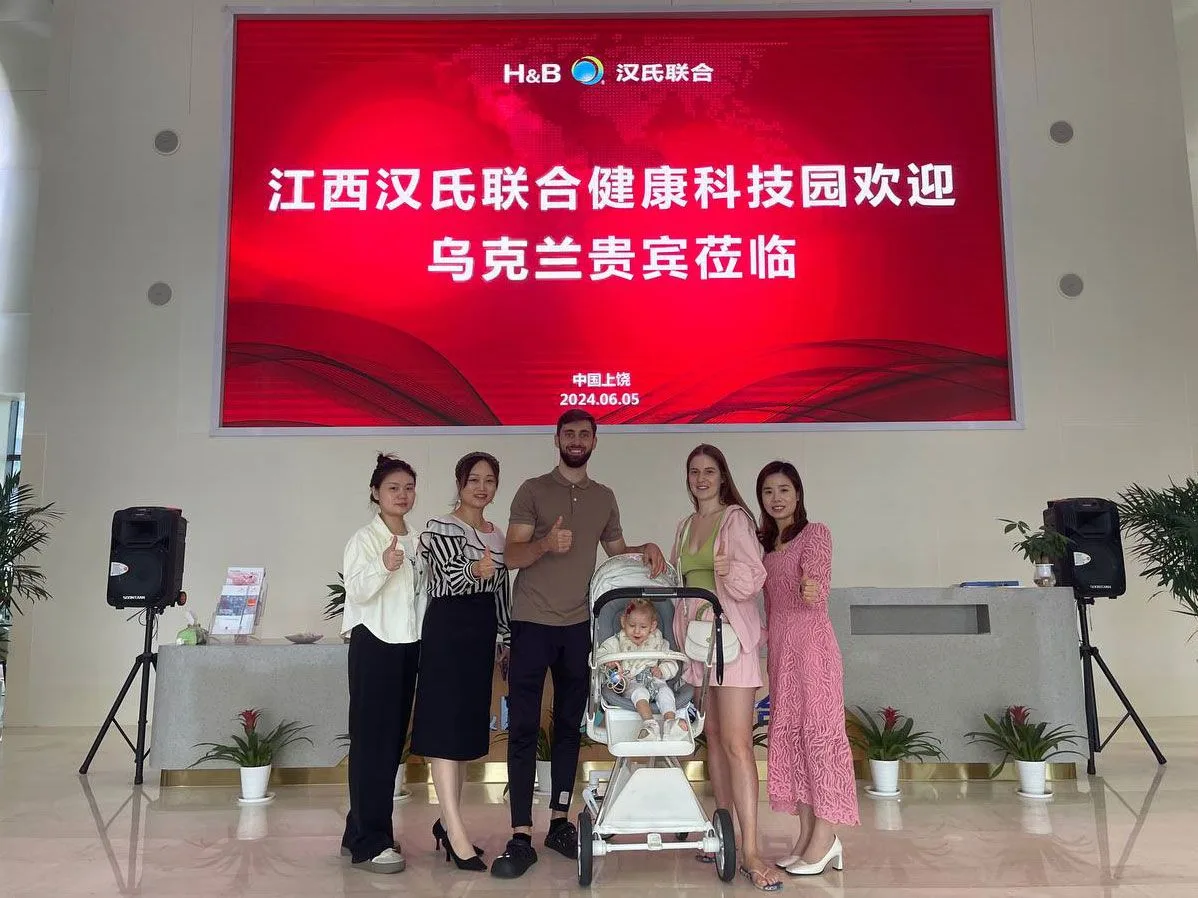
Hello, my name is Mikhail (Ukraine, Odessa) <br />I'd like to share our experience of live stem cell injections in China, at Hansi Clinic in Shangrao.
At the end of 2023, my daughter and I came to the NeuroLife center for rehabilitation. She was a year and a half old at the time. Like many parents of children with cerebral palsy (CP), we were looking for every possible way to help our child.
During rehabilitation, we met the father of a boy who had received stem cell injections eight years earlier. He told us his son's condition had been quite severe — problems with vision, attention, physical development, and more, as is often the case with CP. According to this boy's father, it was after the cell injections that his son began to show noticeable progress.
This caught my interest, and I started researching the subject in depth: reading articles, asking specialists, and looking into the risks, cost, and overall feasibility of this treatment for our daughter. (It's not suitable for every child.)
Gathering information and finding the right clinic for the cell injections:
A huge thank you to the NeuroLife management team — it was thanks to their efforts that we found the best laboratory in China developing live stem cells, one holding the highest level of licensing.
Thanks to their efforts, the whole process took only a few months.
From gathering information and finding the clinic to the first stem cell injection procedure.
After studying all the details and risks, we decided to go specifically with live stem cells — despite the higher cost, they promised more effective results.
Preparing for the cell injection procedure: tests and lab work:
The first stage of preparation, once we'd found the clinic, was to send over all of our daughter's medical information. As it turned out, not every child is eligible for this procedure.
We sent our EEG and MRI results, hospital discharge summaries, and videos of our daughter. A few days later, we received a preliminary positive response.
The second stage was additional lab work and tests.
19 markers that had to confirm everything was in order and that our daughter was cleared for the cell transplant.
Since we were in China the whole time, the NeuroLife management team helped us with this as well.
Hansi Clinic (in Shangrao) is about 900 km from NeuroLife (in Huizhou), so they suggested we get all the tests done at the nearest hospital, so as not to lose time and to keep up with rehabilitation.
We got all the tests done in a single day. It cost around 1,500 yuan. While we waited for the results, our rehabilitation continued.
A week later the results were ready. They were sent straight to the chief professor, who reviewed them and gave his final approval for the procedure — and we picked a date for the first transplant.
Three procedures were planned in total, one per month.
Given our daughter's weight and our specific situation, we were prescribed 20 million cells per session — 60 million cells across all three.
Overall, the whole process of organizing, preparing, and communicating with the lab went very smoothly. I asked a lot of questions, especially about the risks, and the lab staff patiently answered all of them, the whole way through.
The first procedure:
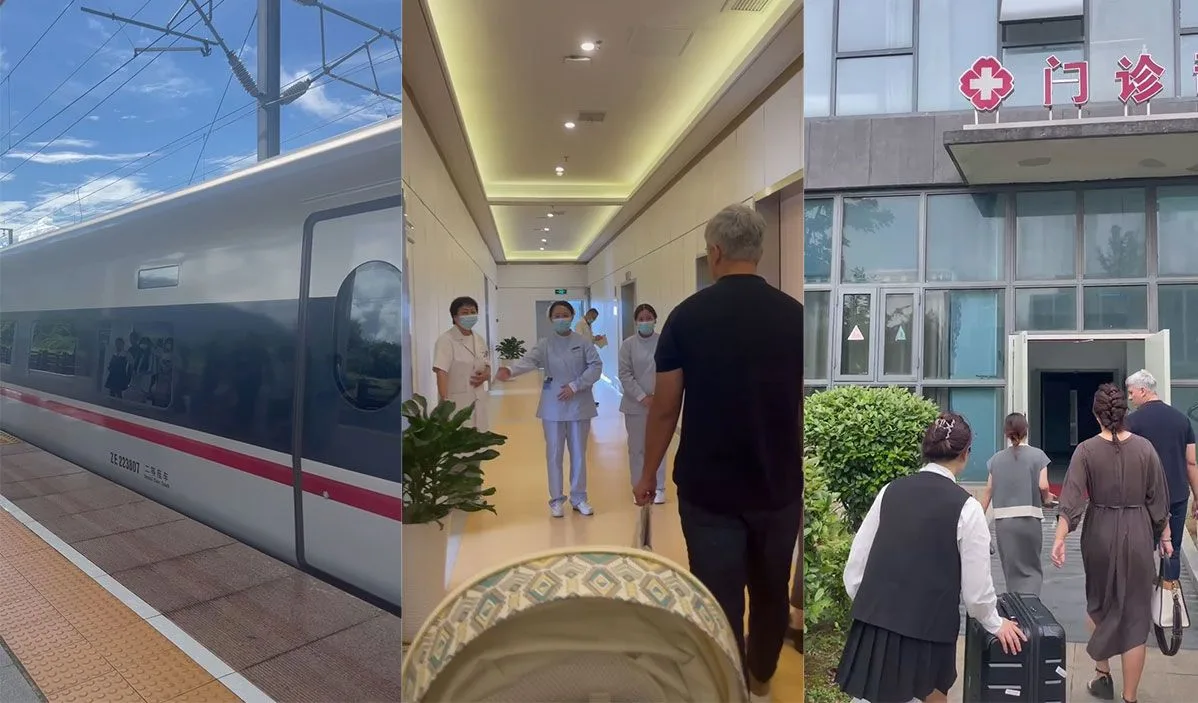
In early June 2024, we were ready for the first cell injection and set off for Shangrao, where Hansi Clinic is located.
The first time, we flew from Shenzhen. After that, we traveled by train.
On arrival, clinic staff met us, took us to dinner, and then to the hotel. Everything was comfortable and calm. Throughout, we could feel their genuine care and willingness to help.
The first procedure was scheduled for the next morning.
We were told not to eat for 6 hours beforehand.
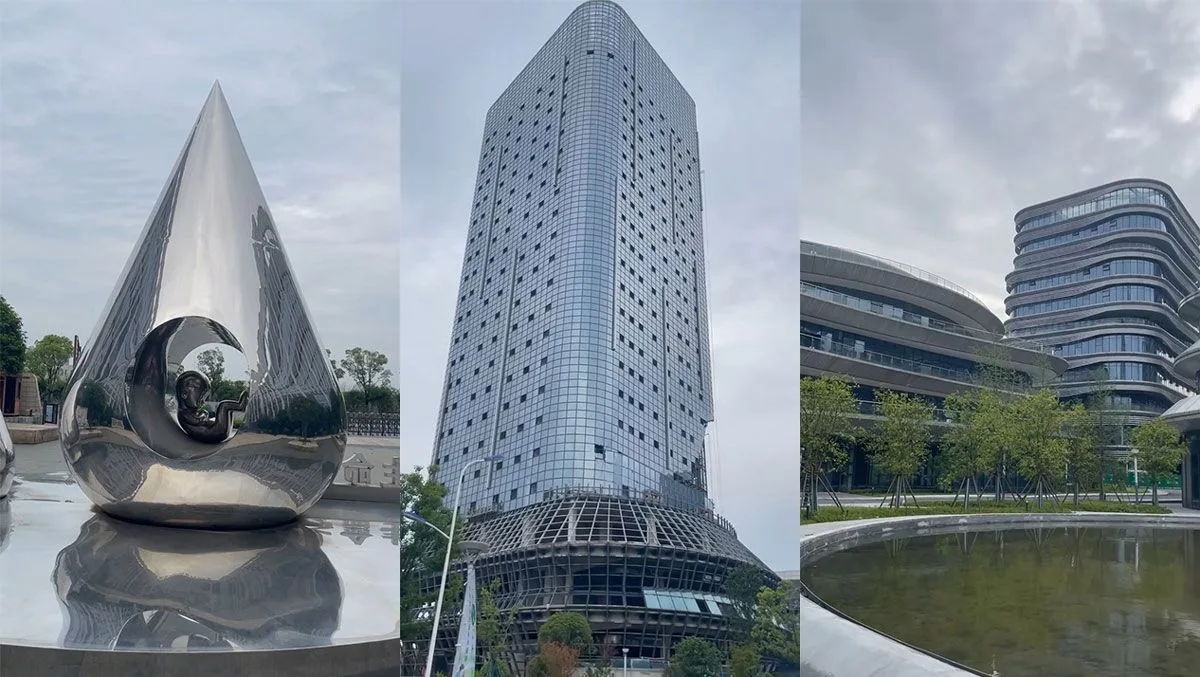
In the morning, a driver picked us up and took us to the clinic. The scale of the clinic was very impressive.
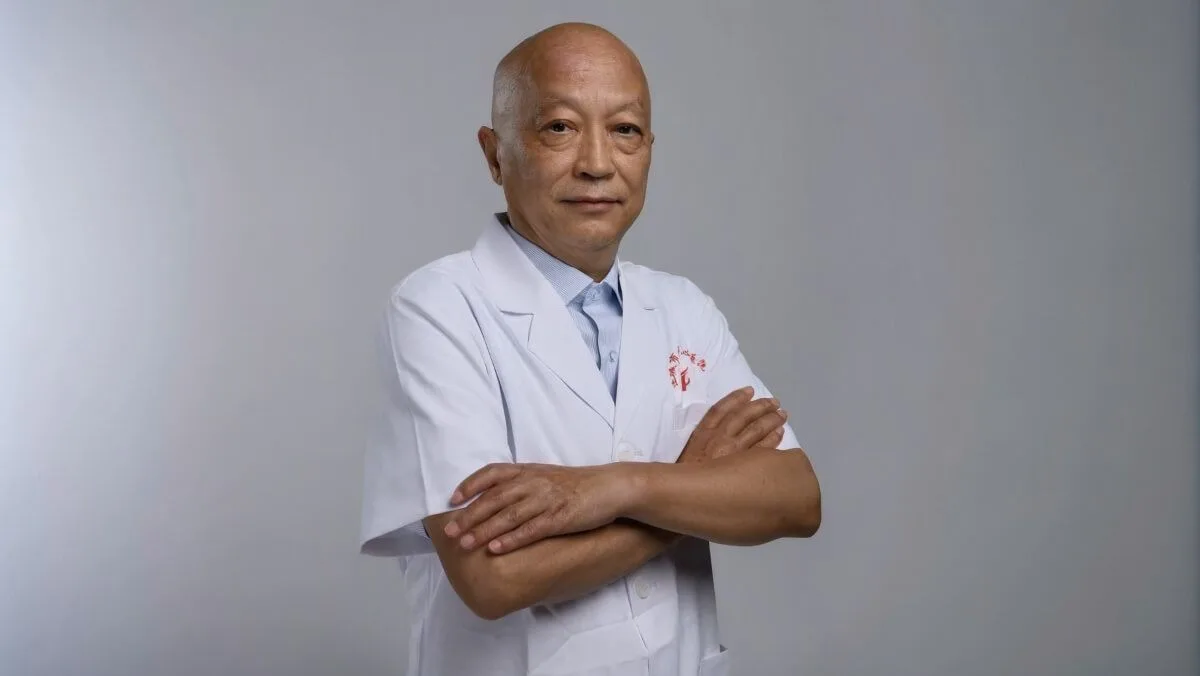
First, the chief professor saw us. He examined our daughter carefully, gave us recommendations, and explained what results we could expect from the stem cells (SCs). He noted that the main effect usually shows up 6-8 months after all three procedures are complete.
The cell injection procedure:
And then came the most nerve-wracking part — preparing for the procedure, and the procedure itself.
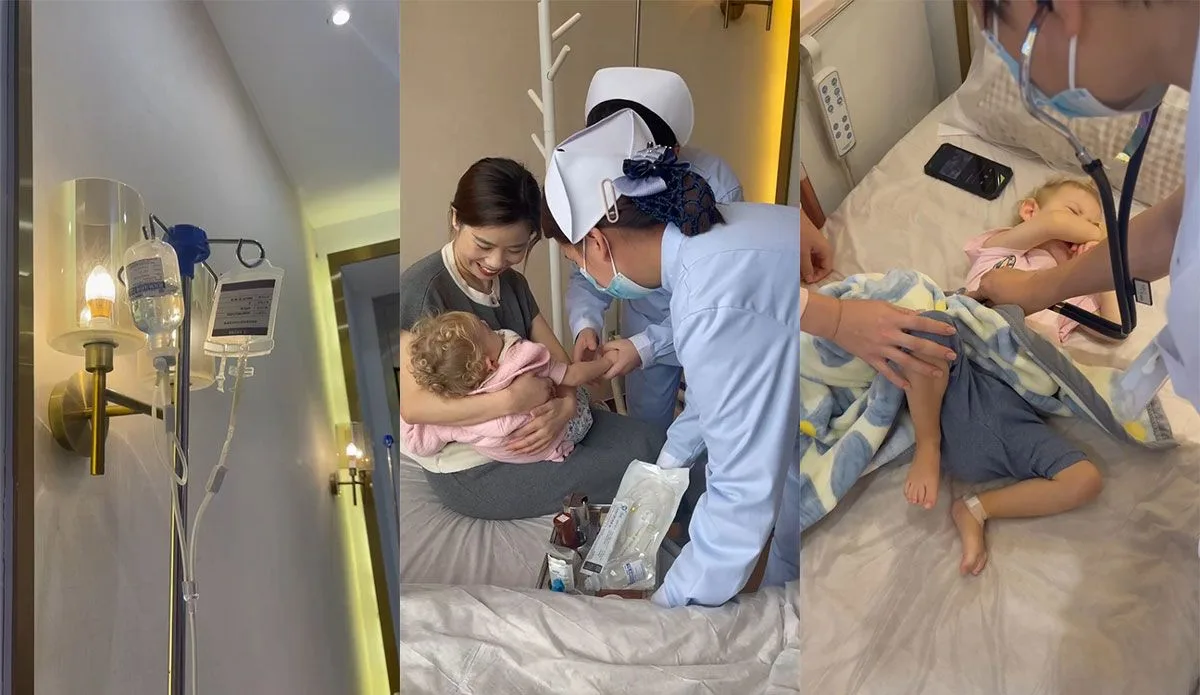
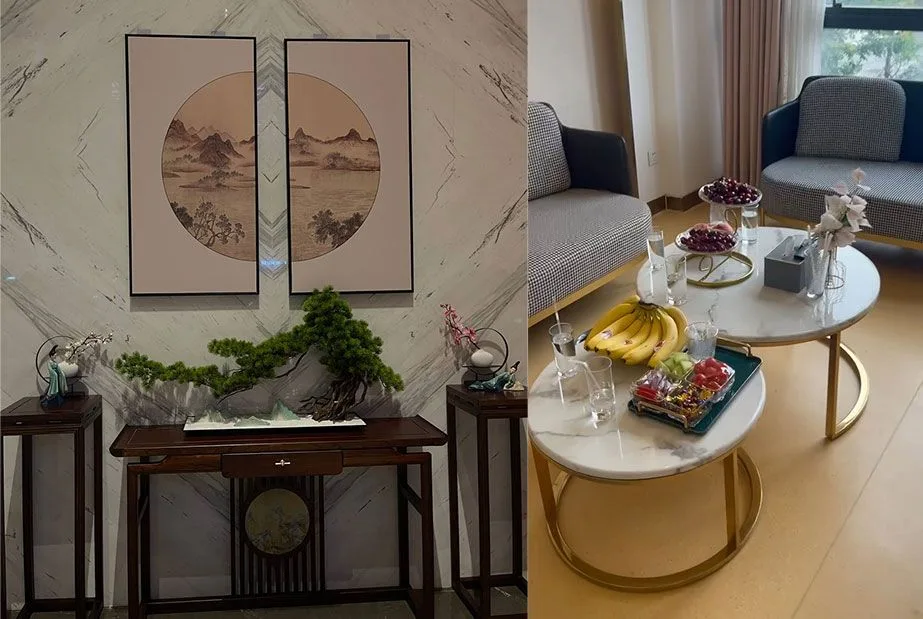
We were taken to a ward, and the conditions were very good. There were plenty of staff on hand — nurses, doctors — all helping out.
Our daughter was given a catheter, since the procedure is done under anesthesia.
Ten minutes later, she was taken into the operating room. We were told the whole thing would take no more than 30 minutes.
The procedure involved injecting 10 million cells into the lower spine via lumbar puncture and another 10 million cells intravenously. Anesthesia is required for the lumbar injection.
We stayed right by the operating room door the whole time. To our relief, just 15-20 minutes later she was brought out, and we were told everything had gone well.
We moved back to the ward and waited for our daughter to come around from the anesthesia. She started coming to after about 20 minutes. After that, she had to lie flat on her back for 6 hours, and eating was off-limits too.
We were very glad she came out of the anesthesia quickly and felt basically fine overall, though she did cry a little during the first hour.
Doctors, nurses, and clinic management were with us the whole time, constantly helping and looking after us. After 6 hours, she was allowed to get up, and we were invited to lunch. That's how the first cell injection procedure went.
We spent the night at the hospital under the doctors' supervision, then moved to a hotel the next day. A day after that, we were already on the train back to NeuroLife.
I can say the stem cell transplant procedure went well. The lumbar injection was done with a long, fine needle that left no scars or marks. Within 5-7 days, we were back to rehabilitation.
On the results!
As the doctors say, and as years of experience show, results appear differently for everyone — anywhere from 3 weeks to a year.
Here's what we've seen in our daughter.
- She's become more attentive
- Her crawling has improved
- She's noticeably stronger physically
- She's begun communicating more through sounds and making it clear what she wants
- Her sleep has improved — she no longer wakes up every 2 hours
- Her vision and coordination have improved
- Before, she could only crawl forward; after the cell injections, she quickly learned to turn left and right and crawl toward toys in different directions
- She's shown much more interest in toys and has started taking interest in different objects
- She's even learned to get into mischief — opening cabinets and tipping over the trash can :))
For us, this is a huge result, and we're so happy about it. When we first arrived in China, we didn't even know whether she'd ever be able to crawl.
In conclusion
We've now completed all 3 procedures and will be watching for further improvements in our daughter!
This step wasn't an easy one — it took determination, faith, and resources. But seeing even the first results, we know it was the right call. Every day, watching our daughter's new little victories, we feel that all our efforts haven't been in vain.
We want to once again express our deep gratitude to all the specialists at Hansi Clinic (Shangrao) and the NeuroLife center who supported us on this journey. Their professionalism, care, and understanding were an invaluable support to us.
To parents who are facing a similar choice right now, all I can recommend is to thoroughly research every option available. Stem cells are not a cure-all, but for our daughter they became an important step toward a better future.
Every family and every child is different — what works for one may not work for another. But I sincerely believe it's worth researching and trying every option available.
Note: This material reflects our family's personal experience and is not medical advice. Consulting with specialists is essential before making any treatment decision.