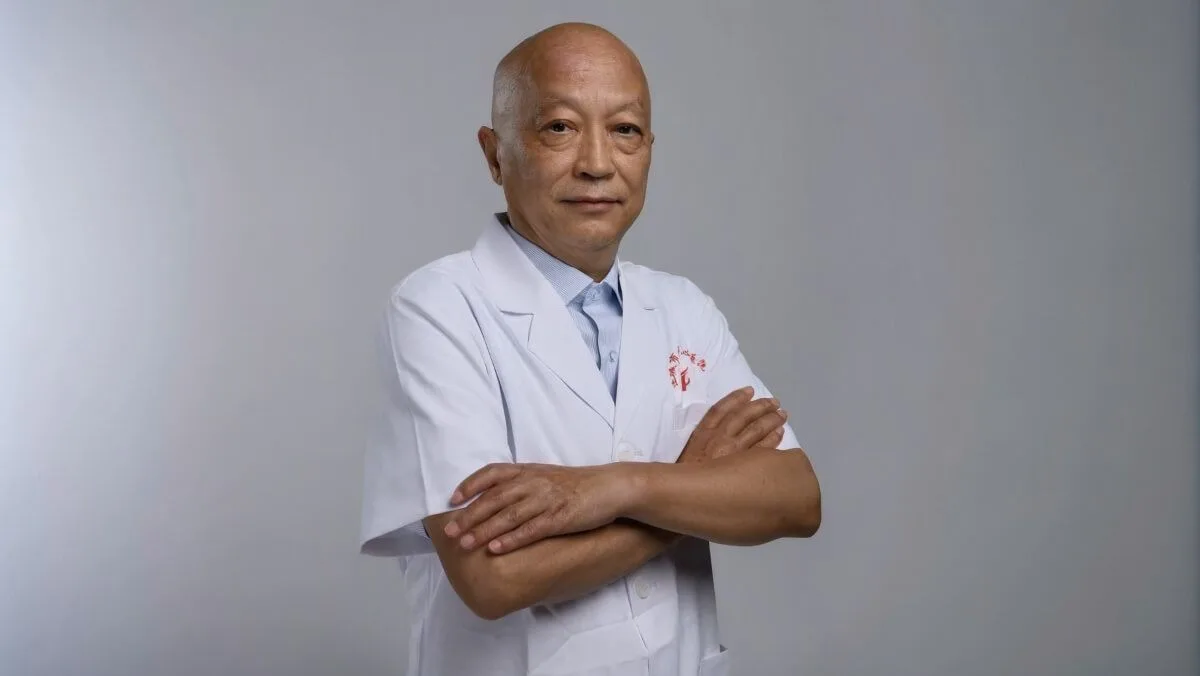

We understand how hard it is for parents to hear "no" when they're looking for help for their child — especially when it comes to treatment abroad. However, in situations where a patient has frequent seizures (more than twice a month), our clinics are forced to decline admission for rehabilitation.
This decision isn't driven by an unwillingness to help, but by strict safety protocols and plain common sense. In this article, we'll walk through the reasons for this refusal and explain why trying to combine the incompatible can harm a child.
We Treat Function, Not a Diagnosis
It's important to understand a fundamental distinction: treating epilepsy and rehabilitating cerebral palsy (CP) (or other CNS disorders) are two different, often conflicting, processes.
Our job is to restore the brain's motor and cognitive functions. We teach the brain to work, to send the right signals to the muscles, to develop. All the methods we use for this — physiotherapy, therapeutic exercise (PT), specialized stimulation — are aimed at activating the brain.
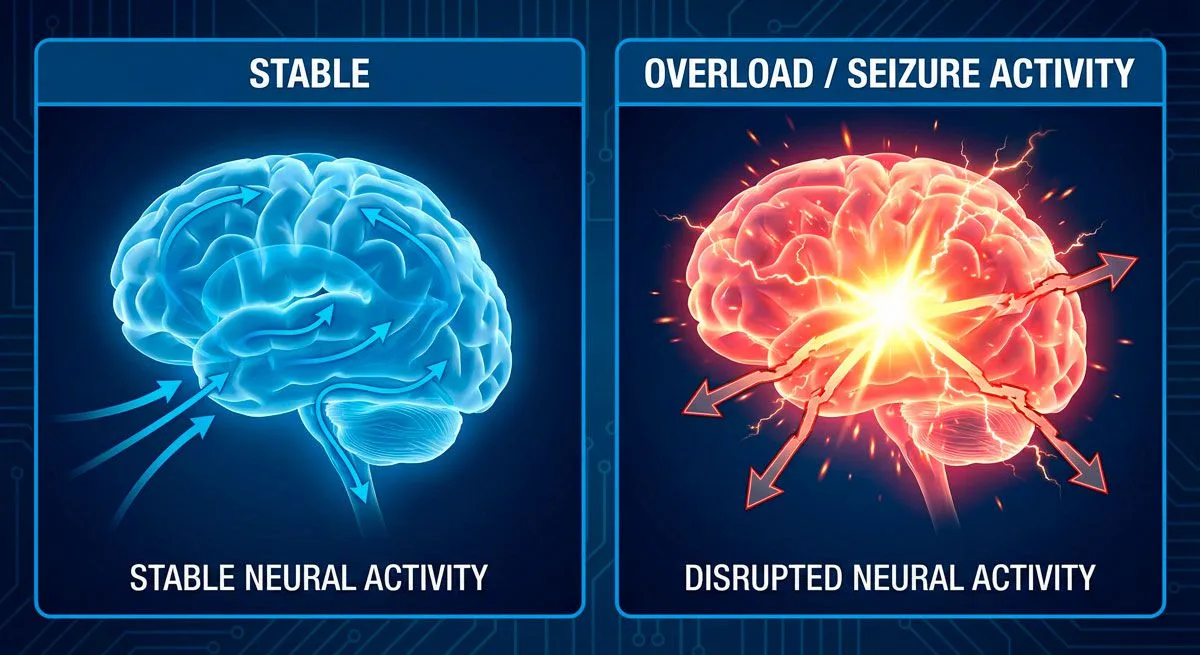
If a child has active epilepsy, their brain is already in a state of overexcitation.
Picture someone with a severe cold and a fever close to 104°F (40°C). The fever is the body's reaction to illness — a sign that something is wrong. If, at that moment, you tried to actively train that person, toughen them up, or push physical loads on them, their body simply wouldn't hold up, and their condition would sharply worsen.
The same thing happens with the brain. Seizures are a signal that the brain isn't working correctly. If we start applying stimulating rehabilitation procedures, the brain will experience a massive overload. Instead of progress, we'd trigger more frequent seizures and a regression in development.
The Danger of Repeated Seizures
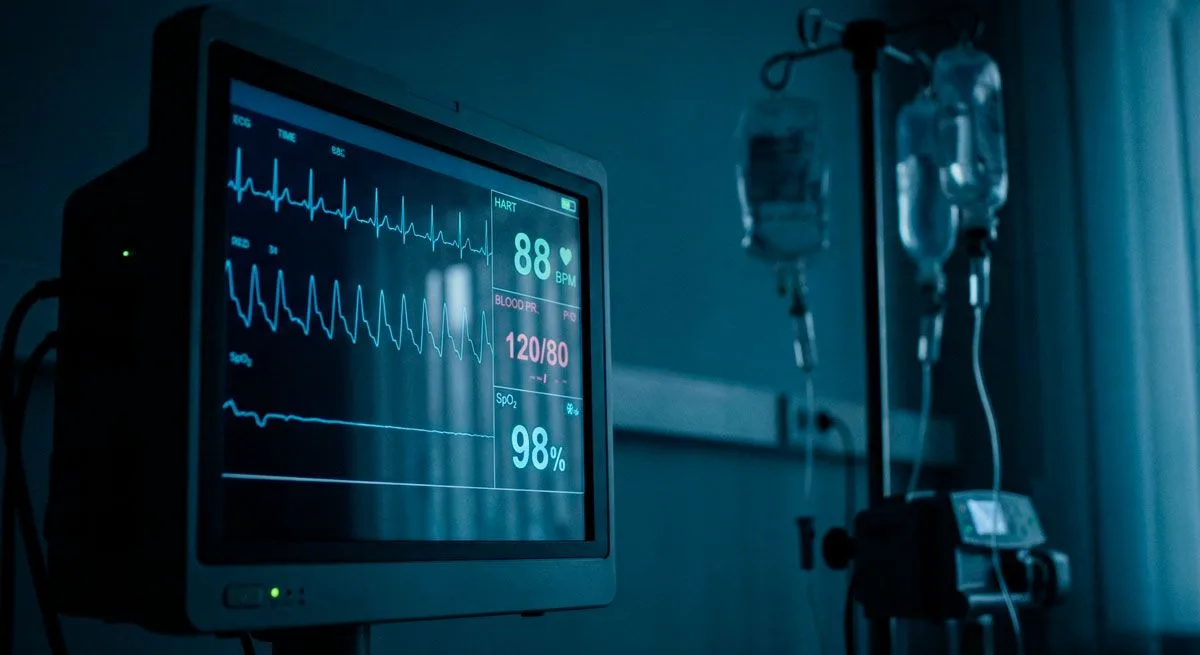
A single seizure, epileptologists say, often doesn't pose a direct threat to life on its own if it resolves quickly. But rehabilitation on top of an unstable condition can trigger serial seizures (repeated seizures), where one seizure follows another without full recovery of consciousness in between.
This condition is genuinely life-threatening and requires immediate resuscitation.
Our clinics do have resuscitation equipment, but let's be honest: the goal of your trip is to teach your child something new, not to end up in intensive care in a foreign country. On top of that, resuscitation and intensive care come with enormous additional costs that most parents aren't prepared for. You're coming for results, not a fight for survival.
The Financial and Practical Side
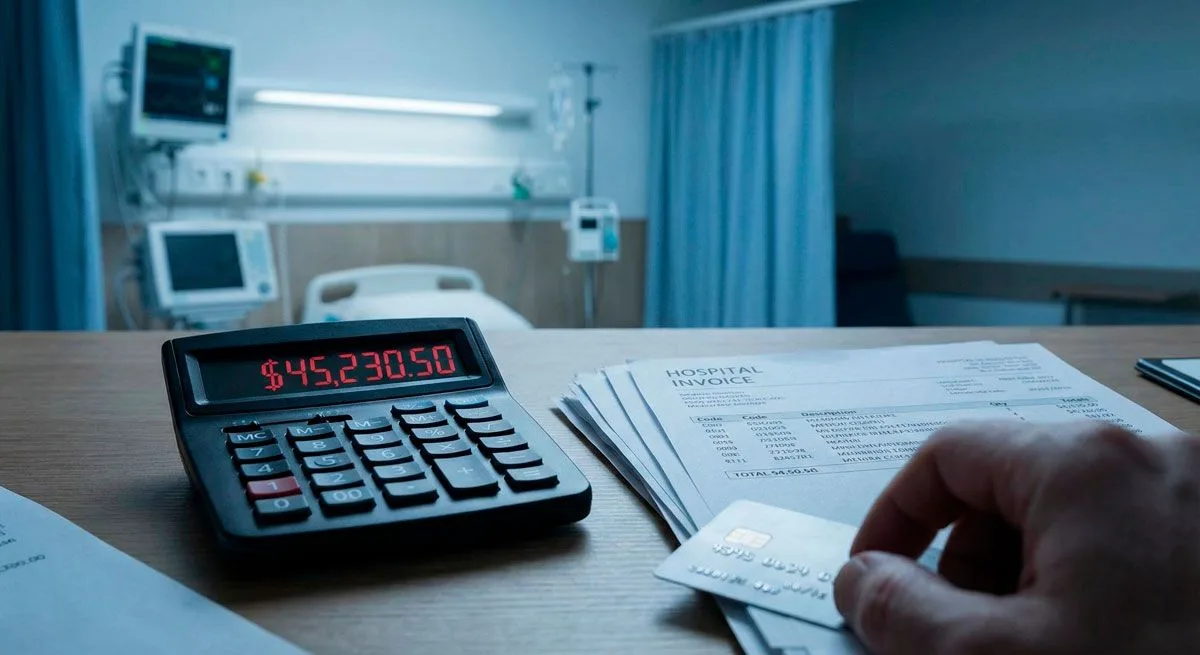
With frequent seizures, staying in a hotel or apartment isn't an option — the child needs inpatient care with round-the-clock medical monitoring.
- The cost of a hospital ward for foreign patients ranges from 250 to 700 CNY per day.
- The cost of intensive care (ICU) ranges from 5,000 to 8,000 CNY.
But spending that kind of money just to stay in a hospital, knowing that the core treatment procedures can't be carried out because of the seizures, doesn't make sense. It's a waste of the family's budget.
Plan of Action: Don't Put the Cart Before the Horse
Many parents think: "Never mind the epilepsy — the child can't walk, we need to start rehabilitation right away." That's a mistake. Trying to treat the consequences (missing skills) while ignoring the cause (an unstable brain) risks making things worse.
There's only one correct order: first bring the epilepsy under control, then move on to rehabilitation.
Step 1: Stabilize the condition
See an epileptologist to review the treatment plan. Medicine doesn't stand still — modern drugs exist (such as cenobamate, fenfluramine, or cannabidiol) that help even in difficult cases.
Step 2: Further diagnostics
If standard treatment isn't working, consider genetic testing (whole-genome sequencing). It can uncover hidden causes and help identify a targeted treatment. A ketogenic diet or VNS therapy can also be effective.
Step 3: Come back to us
Once the seizures are under control (full remission or only rare episodes), our clinics' doors will be open to you. At that point, we'll be able to work safely and effectively on motor skills and cognitive development.
Don't rush. Stabilize your child's condition at home, and find a qualified specialist in your own country or abroad. And once the brain is ready for the workload, we'll be glad to help your child take new steps forward in their development.