

When a child struggles with reading, parents usually start by checking their vision, hearing, and general health. Behaviors like mixing up letters or skipping lines are often taken as signs of an eye problem. This leads many families to pin their hopes on so-called "vision therapy." But does it actually work?
📌 What Dyslexia Really Is
Dyslexia isn't an eye problem. It's a difficulty perceiving and processing sounds — more precisely, a difficulty with phonological awareness (the ability to distinguish and analyze the sounds within words).
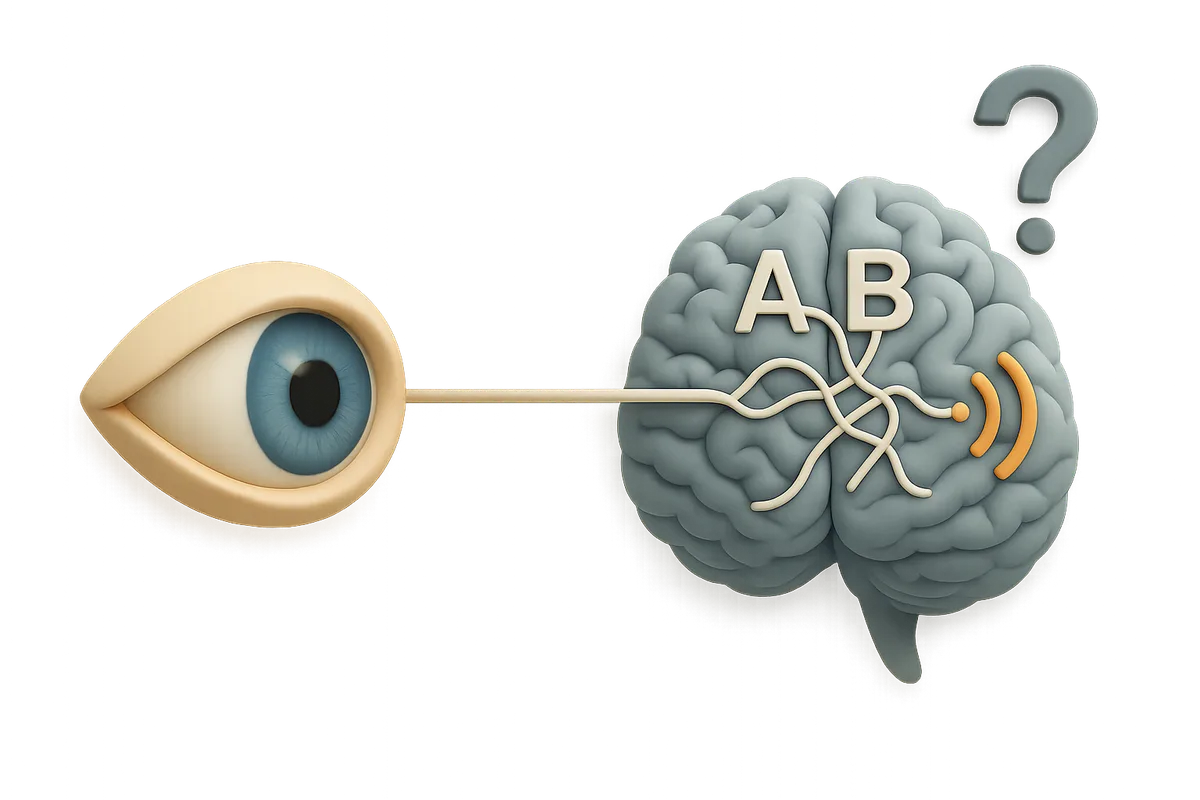
In other words:
- The child sees the text, but the brain has trouble "translating" it into sounds and meaning.
- Vision therapy doesn't resolve these difficulties, because the underlying cause isn't in the eye muscles.
❌ Why Vision Therapy Doesn't Help with Dyslexia
Major medical organizations, including the American Academy of Pediatrics and the American Academy of Ophthalmology, agree on this point:
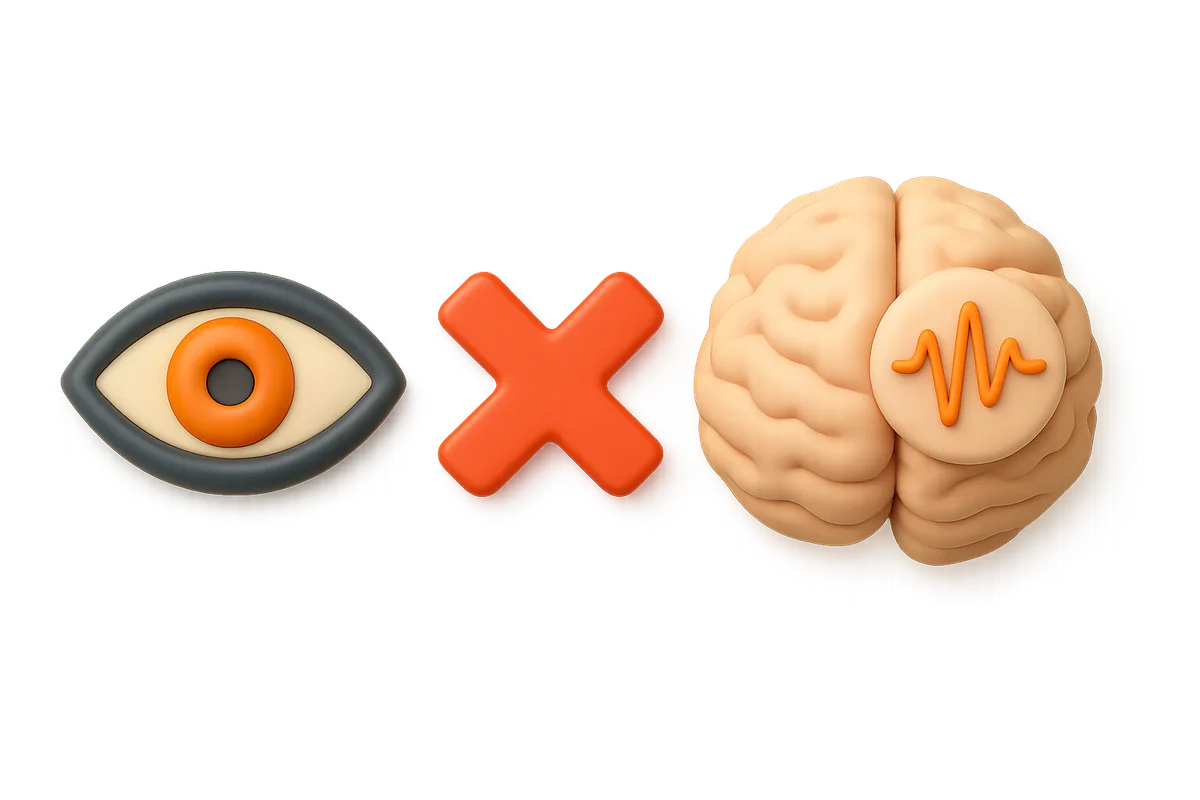
This means that:
- Eye exercises don't treat dyslexia.
- Colored lenses or filters help only in very rare cases.
- Difficulties with eye tracking are a consequence, not a cause, of reading difficulties.
✅ When Vision Therapy Can Actually Help
If a child complains of:
- Double vision
- Blurred text
- Eye fatigue while reading
...this may point to other vision problems, such as:
- Convergence insufficiency — difficulty focusing on nearby objects
- Strabismus (crossed eyes) or amblyopia — "lazy eye"
In these cases, it's genuinely worth consulting an ophthalmologist. Don't rely solely on a school vision screening — it may miss these conditions.
🎯 What Actually Helps with Dyslexia
The most effective approach is structured, step-by-step instruction built on:
- Phonics — teaching children to recognize sounds and connect them to letters
- Multisensory approaches — engaging hearing, sight, and touch together
- Proven methods such as the Orton-Gillingham approach — used by speech and language therapists worldwide

⚠️ Be Wary of "Miracle" Fixes
Many families try:
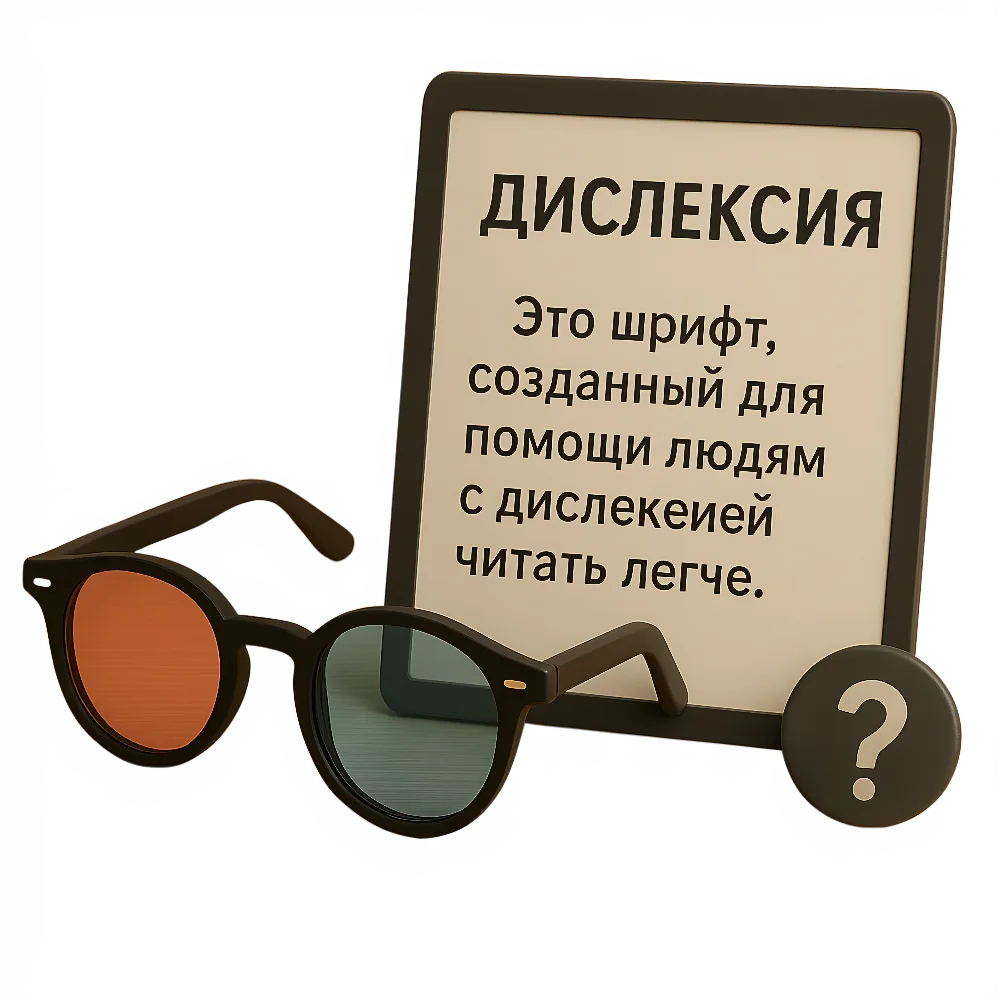
- Special dyslexia-friendly fonts
- Glasses with colored lenses or overlays
🧩 Support for Parents
If you feel overwhelmed, that's completely normal. Dyslexia is no reason to panic, but it does call for a systematic approach. Support from specialists — a neuropsychologist, a speech and language therapist, a teacher experienced in remediation — helps build an effective learning path.
📞 Conclusion
Dyslexia isn't "poor eyesight" — it's a difference in how the brain works. The solution isn't eye exercises, but instruction that accounts for these differences.
If your child has trouble reading, it's important not to waste time on questionable methods. Consult a specialist for a proper evaluation and recommendations for the right kind of instruction.