DCP China EditorialNovember 16, 2024 · 2 min
分享
Scientific Foundations of Psychomotor Rehabilitation
Psychomotor rehabilitation is one of the most effective practical applications of the theory behind the International Classification of Functioning, Disability and Health (ICF).
This method:
- Takes into account individual physical and environmental factors
- Carries out systematic assessment at the level of function and structure
- Monitors the patient's activity and participation throughout the rehabilitation process
The Theoretical Foundation of the Method
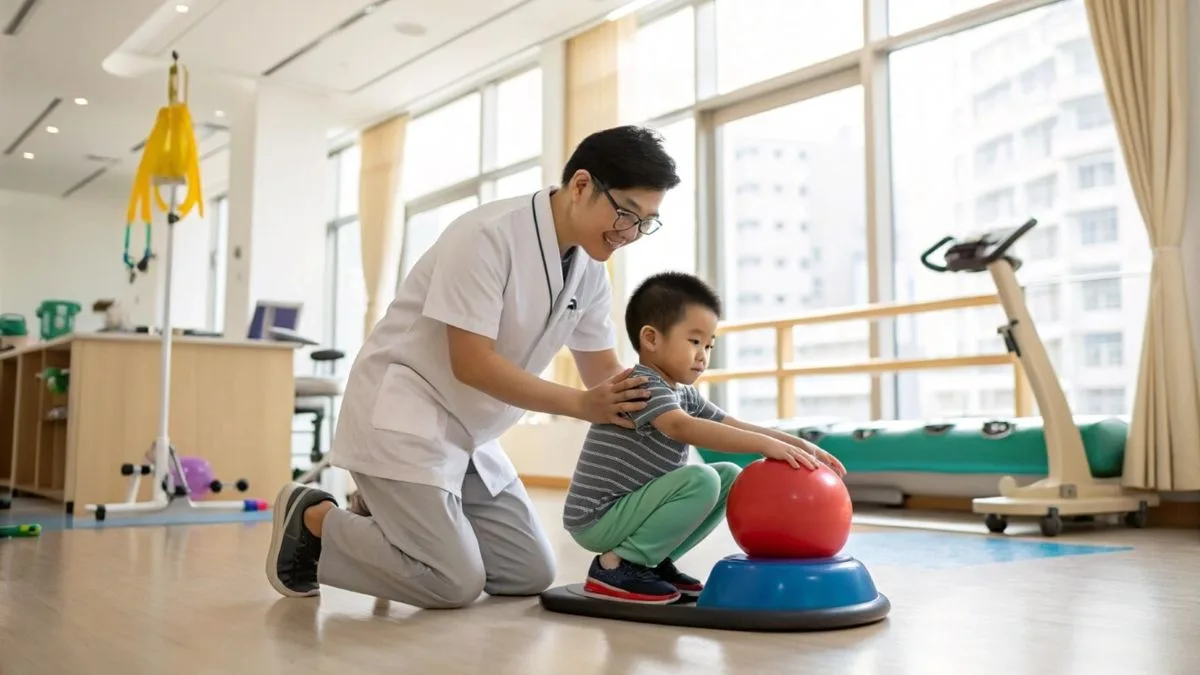
Psychomotor rehabilitation draws on the scientific foundations of:
- Psychology
- Rehabilitation medicine
- Pedagogy
- Sociology
- Human developmental science
Therapeutic tools used include:
- Art therapy
- Play therapy
- Sports activities
Key Areas of Psychomotor Rehabilitation
1. Development of Motor Function
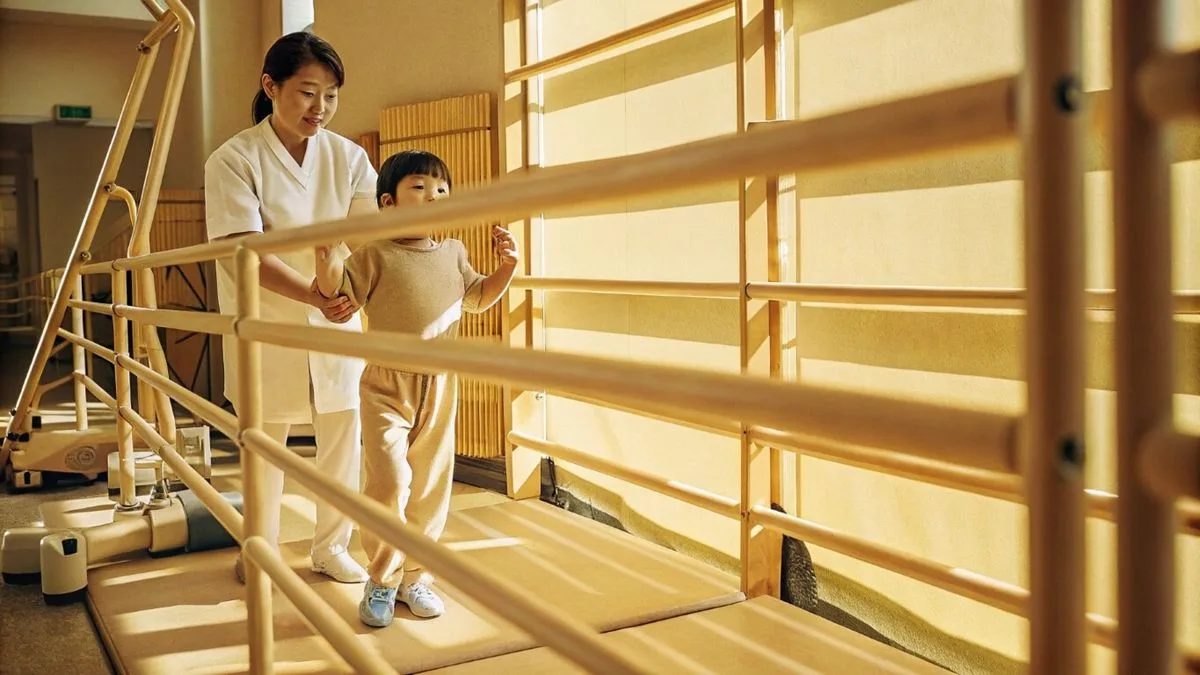
- Training gross motor skills
- Developing fine motor skills
- Improving coordination
2. Communication Skills
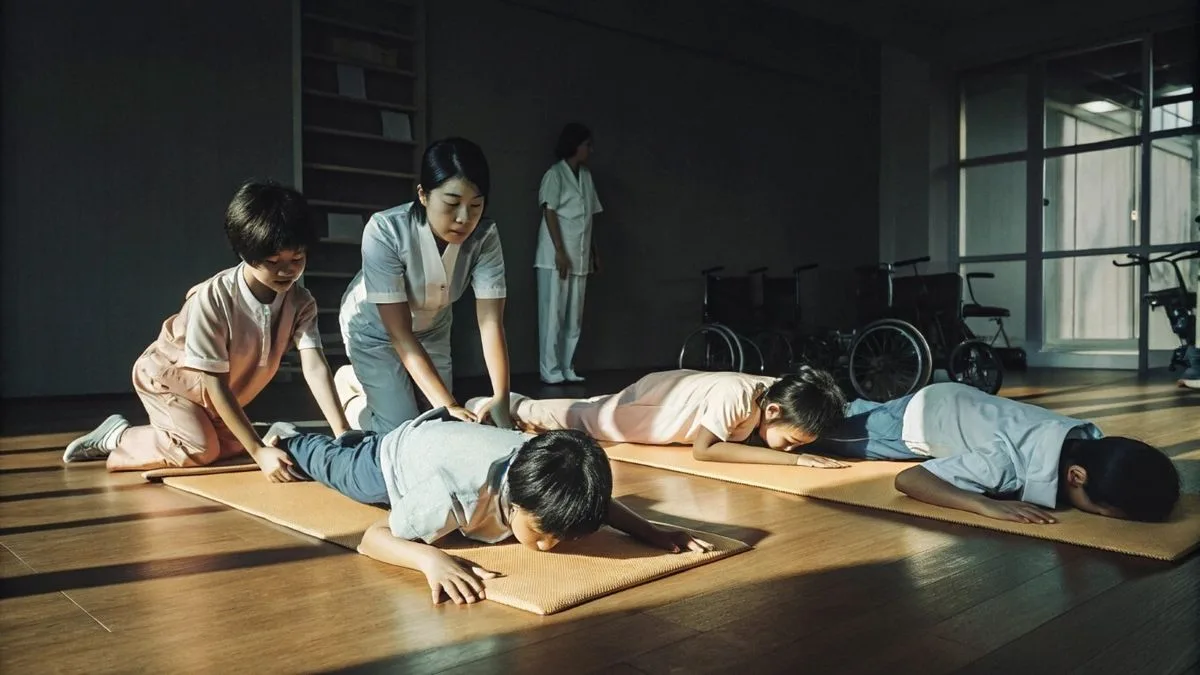
- Developing nonverbal communication
- Improving emotional muscle tone
- Building social skills
3. Executive Function
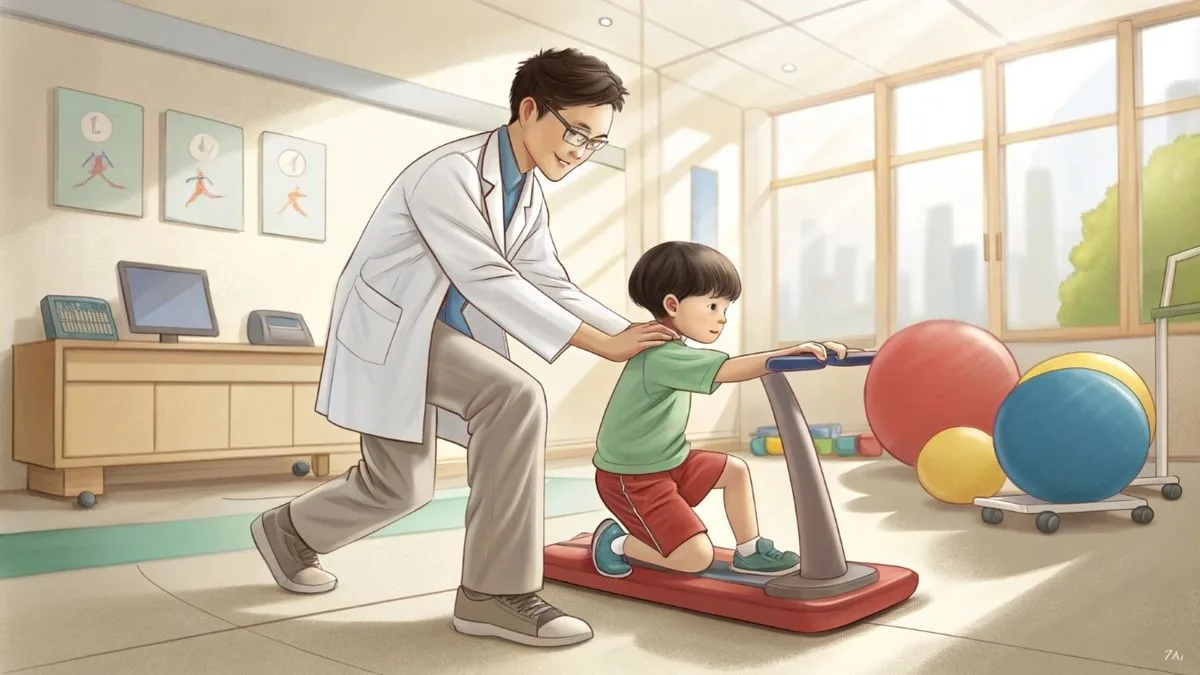
- Training inhibitory control
- Developing working memory
- Improving cognitive flexibility
- Strengthening attention and concentration
4. Sensory Integration
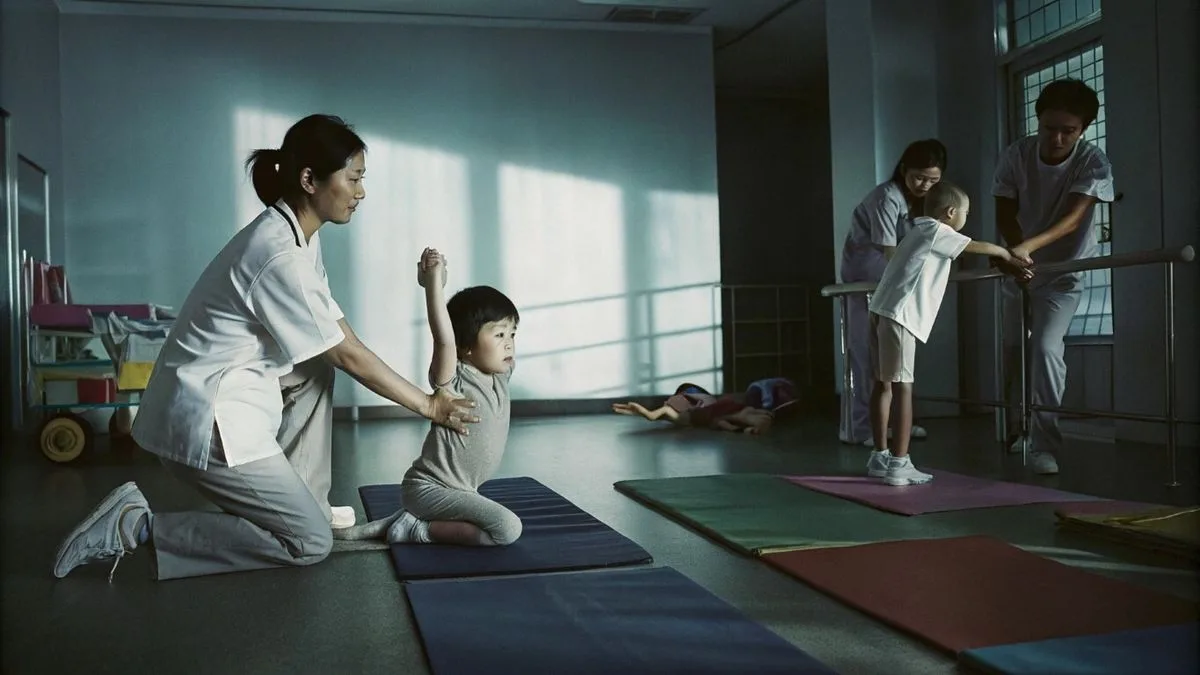
Comprehensive training of perception:
- Visual
- Auditory
- Tactile
- Proprioceptive
- Interoceptive
5. Body Awareness
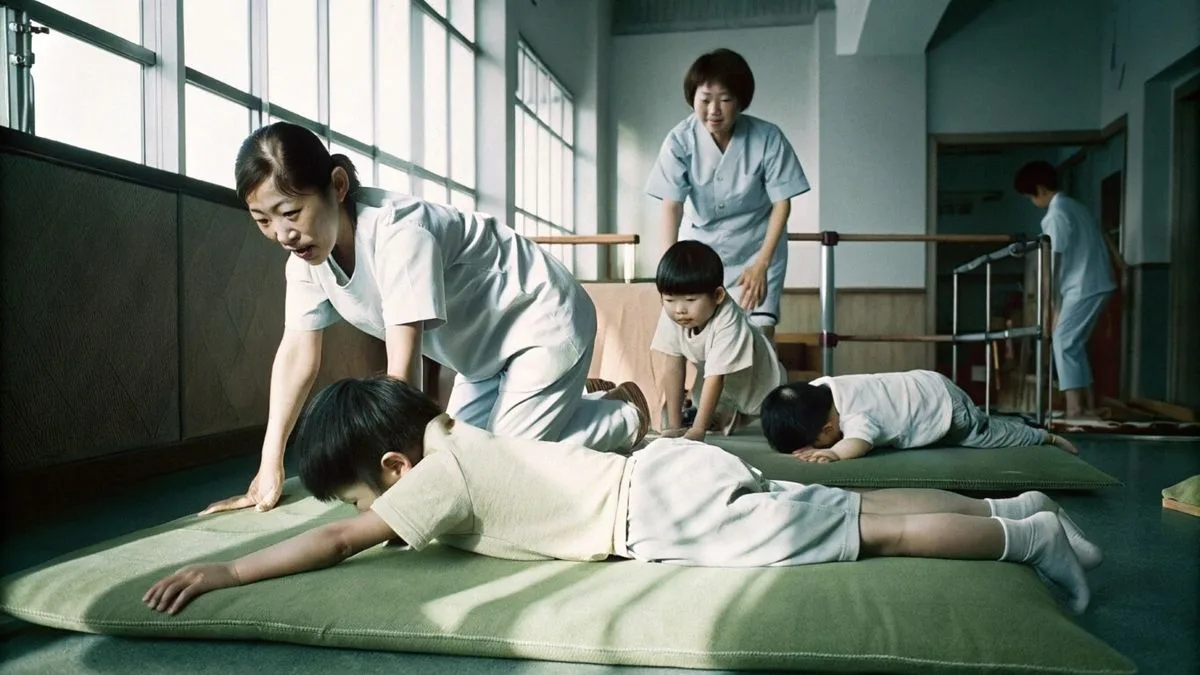
- Refining body schema
- Developing body awareness
- Building an integrated sense of one's own body
6. Academic Skills
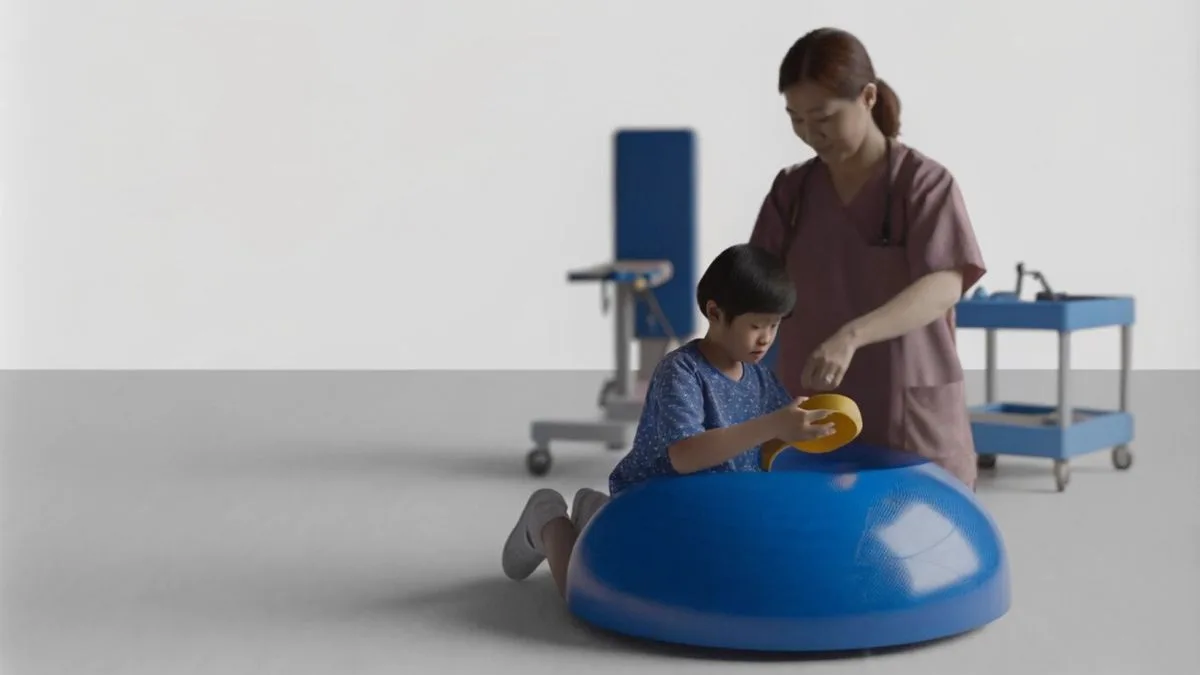
Training core learning skills:
- Writing
- Reading
- Counting
7. Time Organization
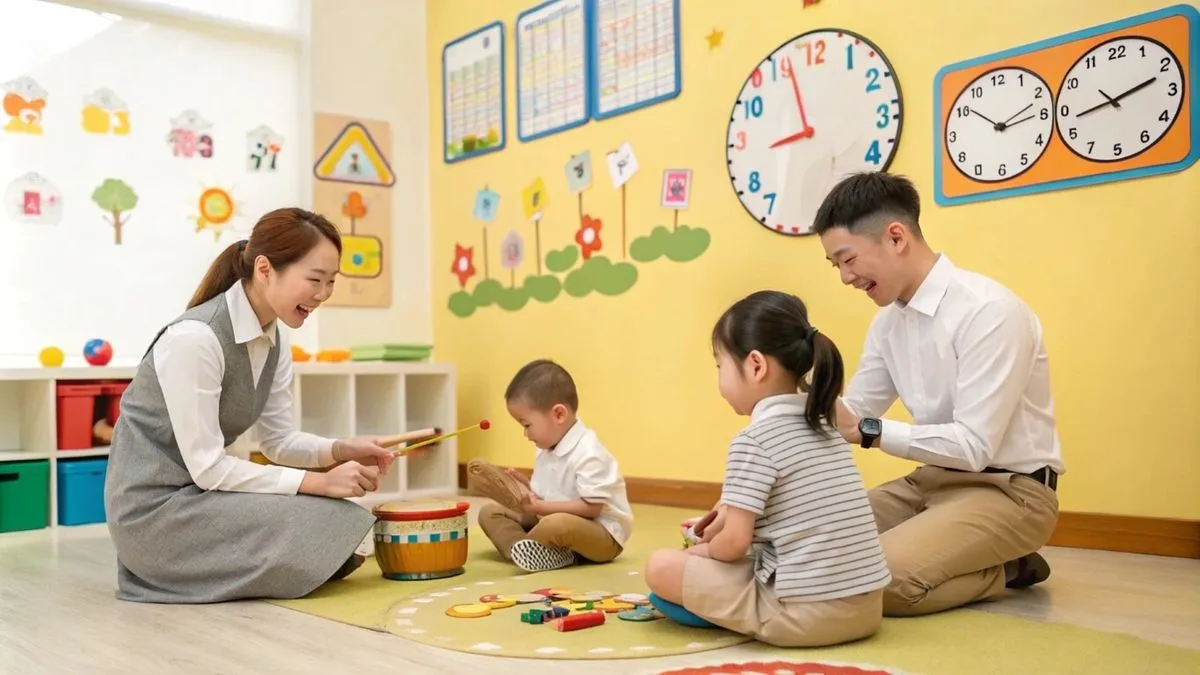
- Planning time
- Developing a sense of rhythm
- Understanding cyclical patterns
8. Spatial Thinking
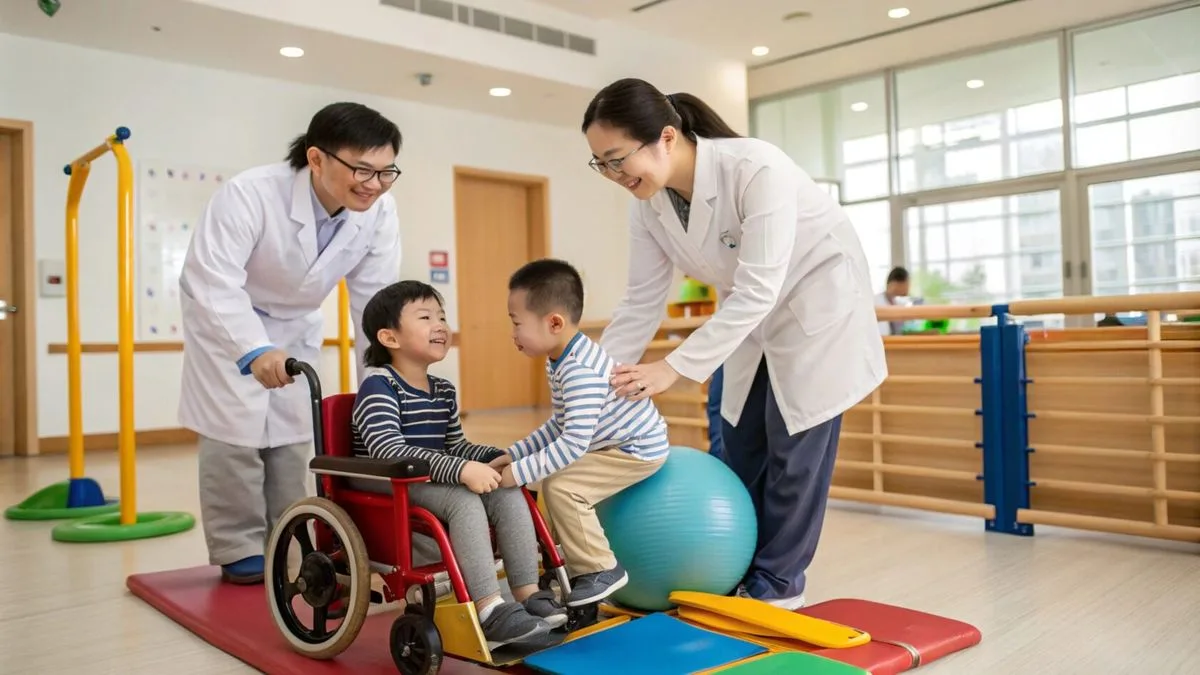
- Improving spatial perception
- Developing organizational skills
- Refining planning ability
Functional Capabilities of Psychomotor Rehabilitation
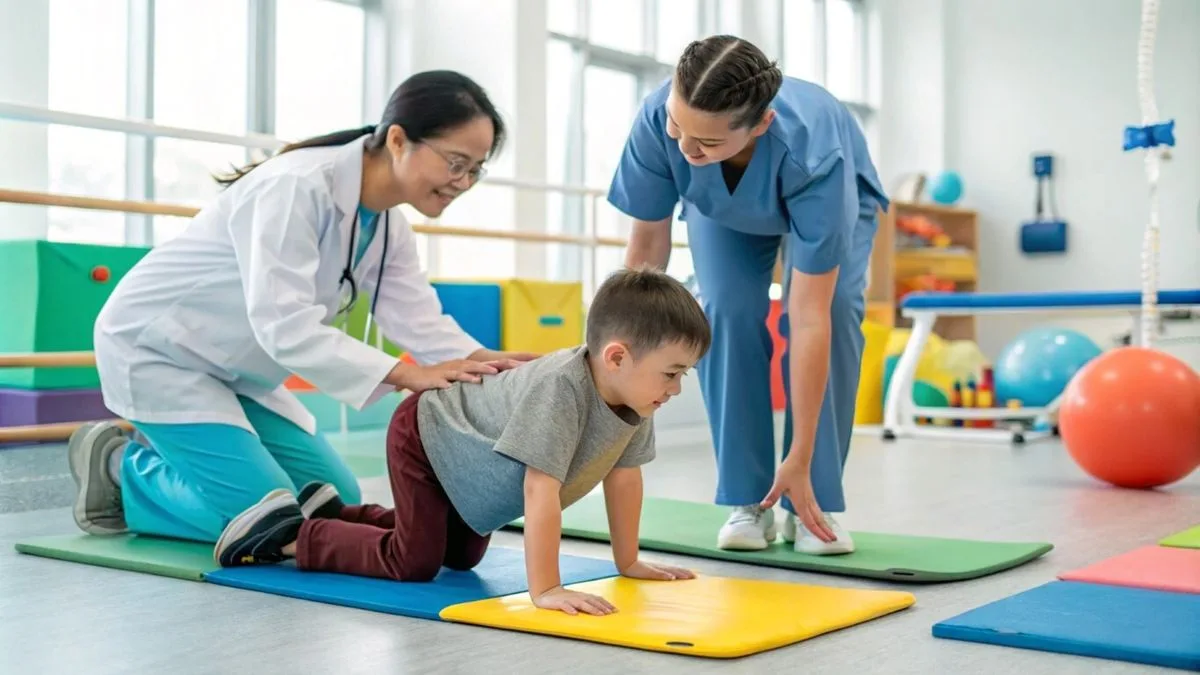
Comprehensive Effect on the Body
- Improving motor skills:
- Improving gross and fine motor skills
- Developing coordination
- Training balance
- Developing the cognitive domain:
- Strengthening attention and concentration
- Improving memory
- Developing executive function
- Emotional and behavioral correction:
- Managing emotions
- Correcting behavior
- Developing nonverbal communication
Target Groups for Psychomotor Rehabilitation
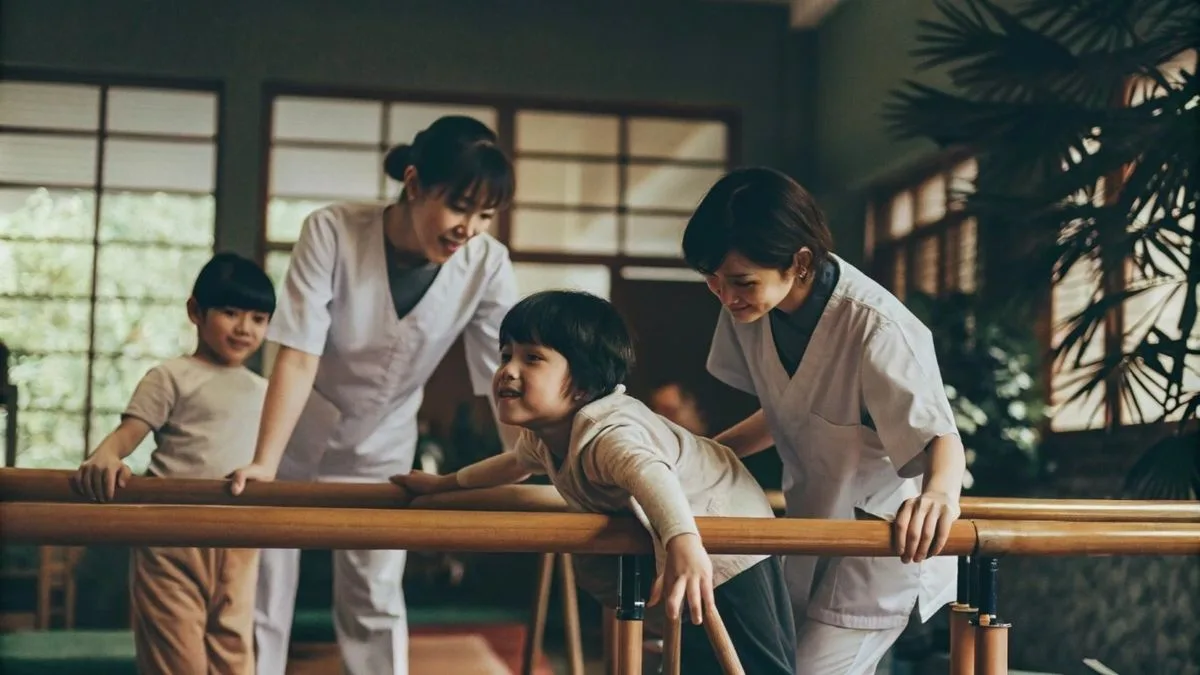
Children and Adolescents with:
- Learning difficulties
- Developmental coordination disorder
- High-functioning autism
- ADHD
- Social difficulties
- Emotional disorders
- Oppositional defiant disorder
- Conduct disorders
- Cerebral palsy (CP)
- Childhood depression
- Sleep disorders
Adult Patients:
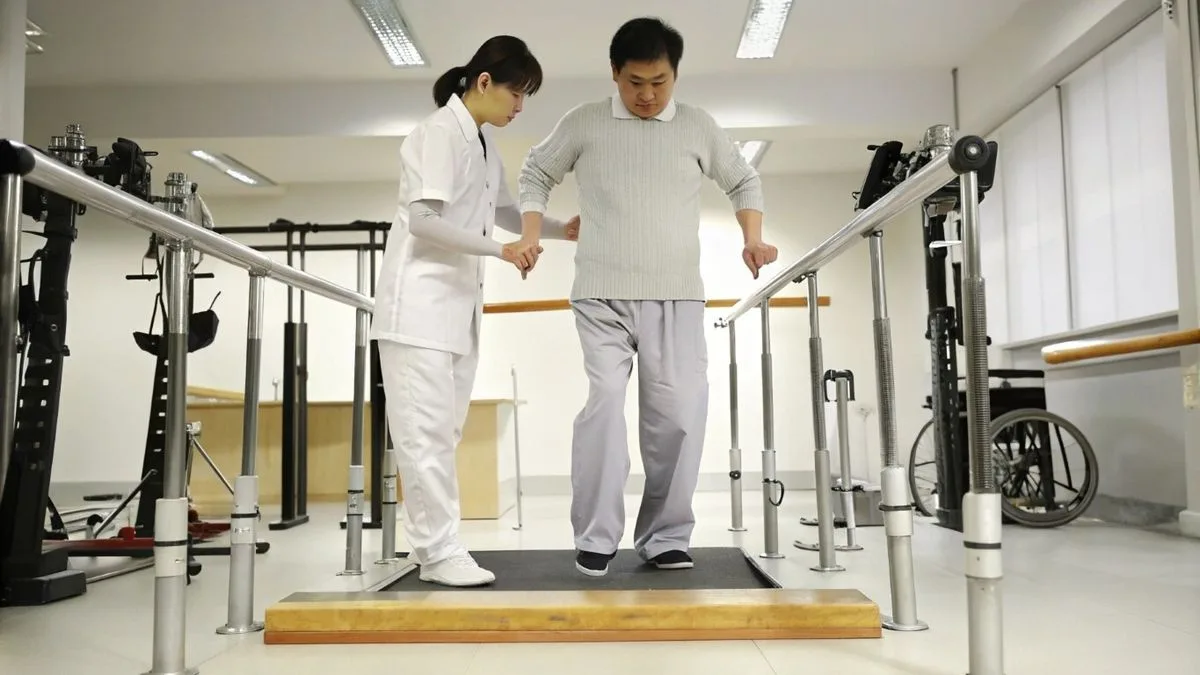
- After a stroke
- With anxiety disorders
- With depressive conditions
Older Adults:
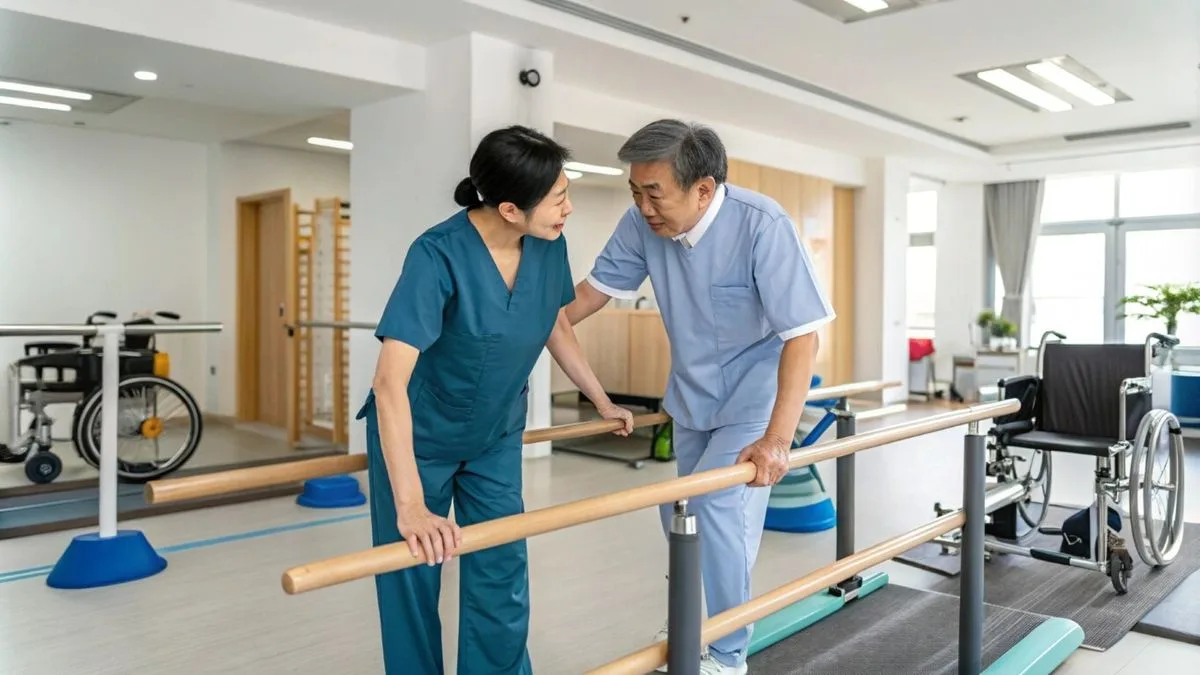
- With Alzheimer's disease
- With senile dementia
- With age-related frailty
Scientific Evidence for the Method's Effectiveness
Numerous studies confirm the effectiveness of psychomotor rehabilitation:
- Stroke patients show significant improvement in motor function and self-care skills
- Children with autism show improved social interaction and communication abilities
- In patients with dementia, cognitive decline slows and quality of life improves
Distinctive Features of the Method
Psychomotor rehabilitation, developed in France, effectively addresses the following issues:
- Disorders of emotional muscle tone
- Fear of falling
- Social withdrawal
- Low self-confidence
- Heightened emotionality
- Hyperactivity
- Attention and concentration difficulties
- Weak cognitive flexibility
We invite psychomotor rehabilitation specialists and parents to share their experience and discuss the results of applying this method.