Parent School: An Introduction to Psychomotor Rehabilitation for Children
About the Seminar at Our Rehabilitation Center
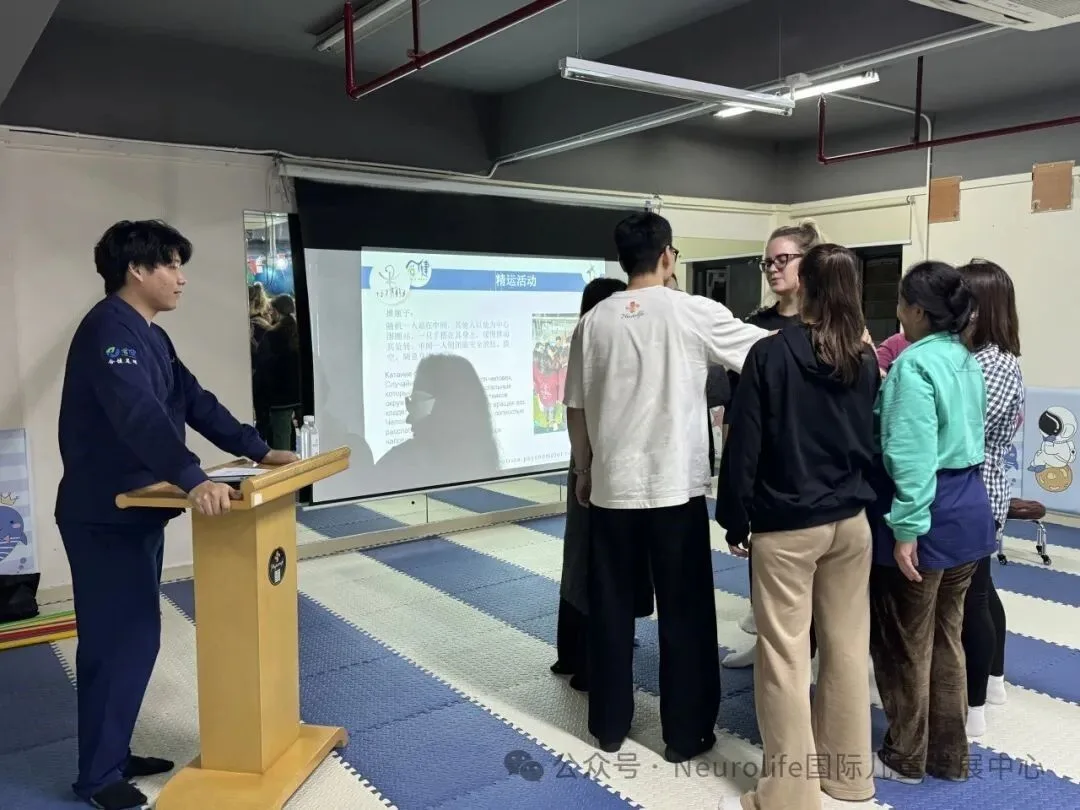
As part of our "Parent School" project, our rehabilitation center held an educational seminar on psychomotor rehabilitation. The seminar was led by Chen Difeng, an experienced specialist who shared practical knowledge about this modern method of child rehabilitation.
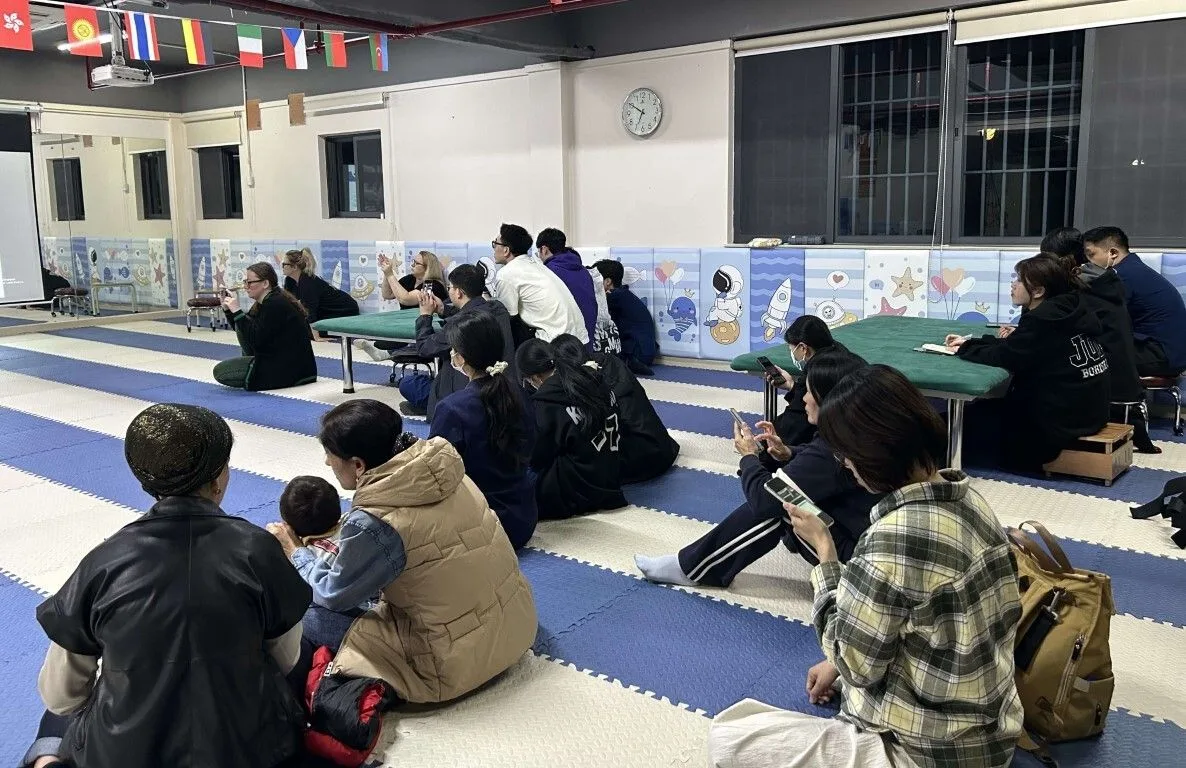
Topics Covered in the Seminar:
- Clear explanations of complex therapeutic concepts
- Practical examples from real-world clinical experience
- Demonstrations of play-based rehabilitation techniques
Psychomotor Rehabilitation: An Innovative Approach to Child Development
Psychomotor rehabilitation is a modern French method that helps address a range of developmental issues in children:
- Emotional difficulties (fears, anxiety)
- Muscle tension and physical bracing
- Learning and attention difficulties
- Problems with social adaptation
What Is Psychomotor Rehabilitation?
Psychomotor rehabilitation (psychomotricity, from the French psychomotricité) is an innovative, non-drug method of treatment that works with both the patient's body and mind together. Unlike classical physical therapy, occupational therapy, and speech therapy, this method focuses on building a strong connection between physical function, movement, and brain activity.
Features and Benefits of the Method
What makes psychomotor rehabilitation unique is its comprehensive approach to recovery. The method rests on four key principles:
- Empathy — a deep understanding of the patient's condition
- Adaptation — an individualized approach to every case
- Relationship — actively involving the family in the rehabilitation process
- Non-verbal communication — working with bodily expression
How Does Psychomotor Rehabilitation Work?
The term itself reflects the method's core idea: "psycho" and "motor" (from the French motrice), pointing to the integration of:
- Nervous system function and physical activity
- Emotional state and inner experience
- Cognitive ability and motor skills
A Comprehensive Approach to Recovery
Qualified specialists carry out a thorough assessment of the patient's psychomotor profile, examining:
- Behavioral responses and sensations
- Perceptual characteristics
- Motor function
- Body awareness
- Cognitive ability
- Emotional state
- Social interaction
Rehabilitation Methods and Techniques
The rehabilitation process draws on:
- Relaxation therapy to relieve muscle tension
- Specialized physical exercises
- Techniques for restoring spatial perception
- Methods for adapting to different everyday situations
Who Is Psychomotor Rehabilitation For?
The method is effective for patients of all ages and draws on findings from a range of scientific disciplines:
- Neurology and psychology
- Medicine and geriatrics
- Kinesiology
- Social sciences
- Philosophy
The History of the Method
The Development of Psychomotor Rehabilitation
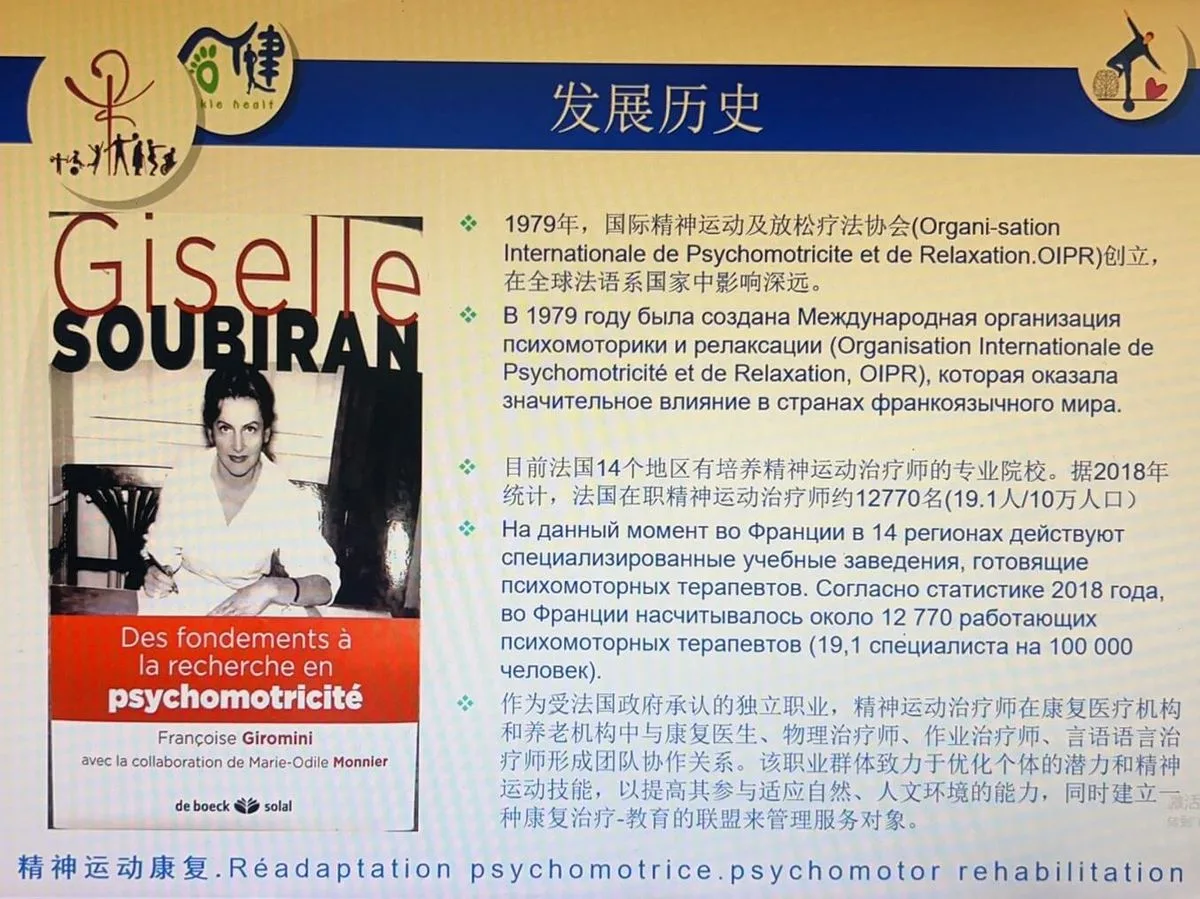
The founder of psychomotor rehabilitation was Giselle Soubiran, a French specialist who established the first clinical psychomotor department in 1950. The renowned neurobiologist Julian de Ajuriaguerra also played an active role in developing the method. European philosophical movements had a significant influence on its formation, particularly the concept of "physical and mental monism."
International Recognition and Growth
In 1979, the International Organization of Psychomotricity and Relaxation (OIPR) was founded. The organization actively promotes the method in French-speaking countries and around the world.
The Profession Today
As of 2018:
- Around 12,770 certified psychomotor therapists practice in France
- There are 19.1 specialists per 100,000 people
- Training programs are offered in 14 regions of the country
- The profession is officially recognized by the state
Functional Components of Psychomotor Rehabilitation: A Comprehensive Approach
Muscle Tone and Laterality
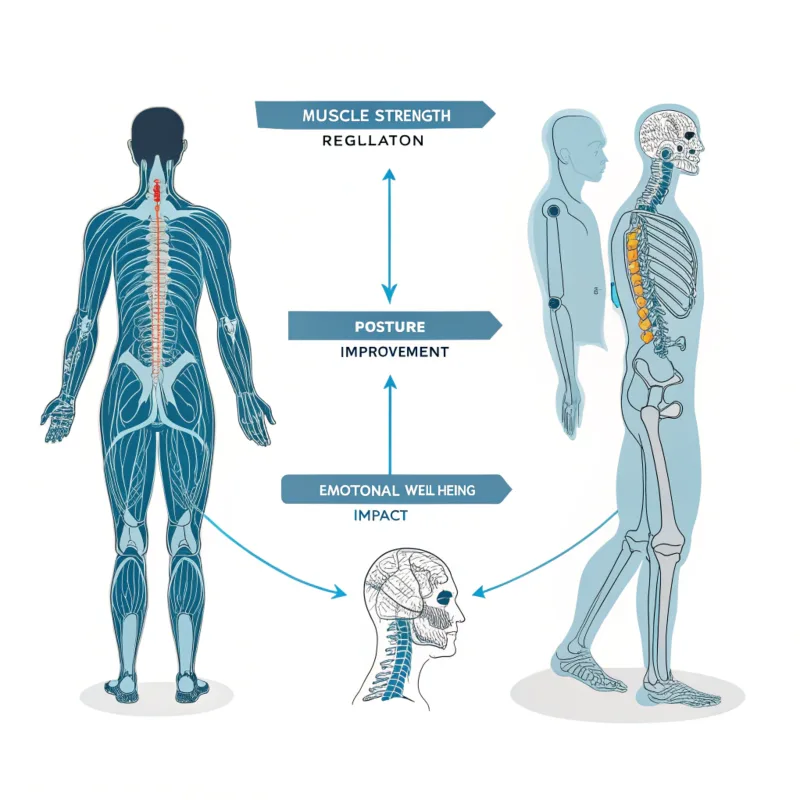
Muscle tone plays a key role in psychomotor rehabilitation:
- Regulates muscular strength
- Forms the basis of correct posture
- Affects the patient's emotional state
Characteristics of Laterality
Laterality determines:
- The balance of muscle tone
- The distribution of motor energy
- The body's functional asymmetry
Mechanisms of State Regulation
The effectiveness of rehabilitation depends on the following factors:
- The level of nervous system activation
- The quality of motor flow
- The nature of interpersonal interaction
- Individual characteristics of brain function
Motor Coordination
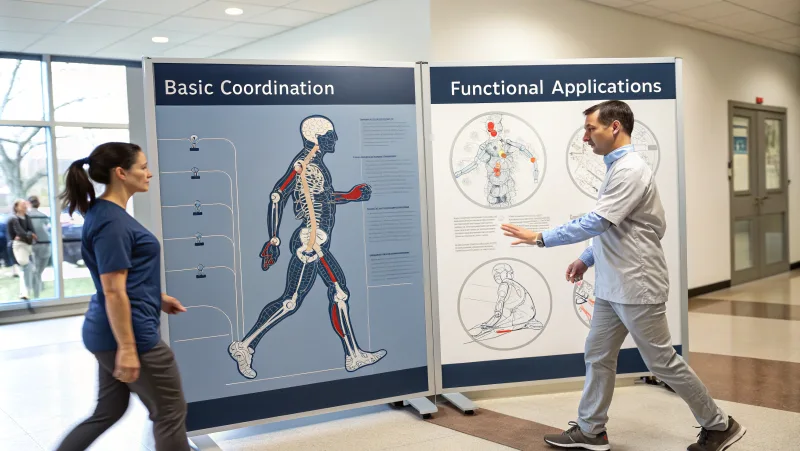
Key Aspects of Coordination:
- Control of basic movements (walking, running, jumping)
- Maintaining balance
- Purposeful, goal-directed movement
Functional Application:
- Performing everyday tasks
- Developing fine motor skills
- Learning culturally specific skills
Body Perception and Representation
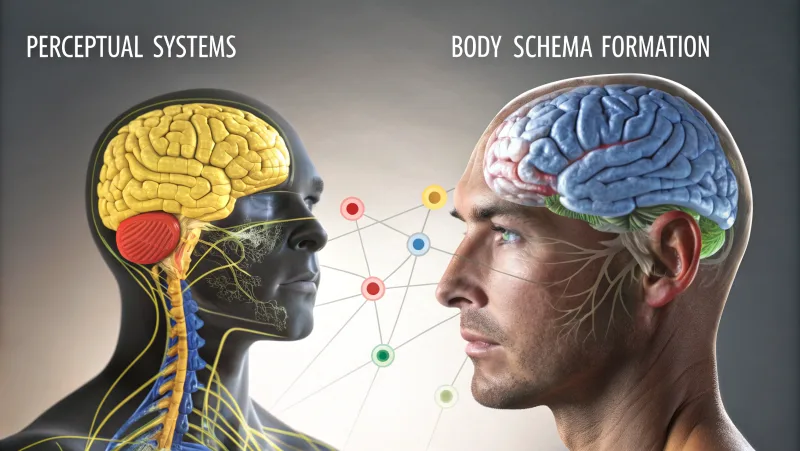
Perceptual Activity Includes:
- Visual perception
- Tactile sensitivity
- Auditory perception
- Proprioception
Development of Body Schema:
- Building a mental image of the body
- Developing spatial perception
- Integration with language skills
Temporal Organization
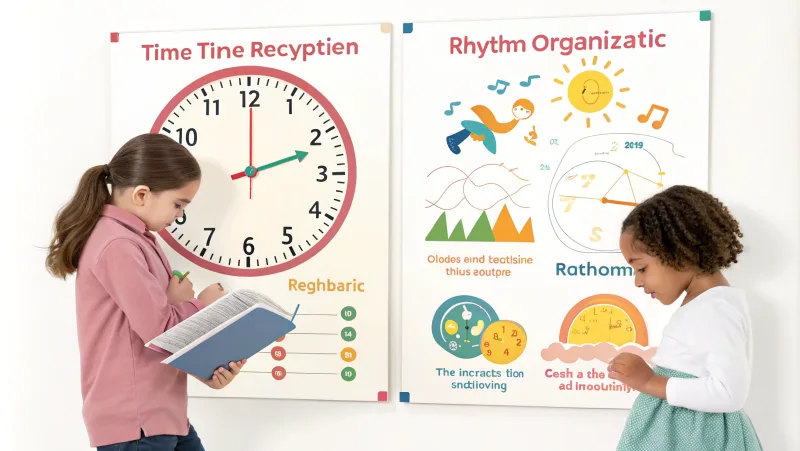
Perception of Time:
- Objective measurement of time intervals
- Subjective sense of duration
- Understanding the sequence of events
The Rhythmic Component:
- Synchronization with biological rhythms
- Development of movement coordination
- Integration with music therapy
Spatial Organization
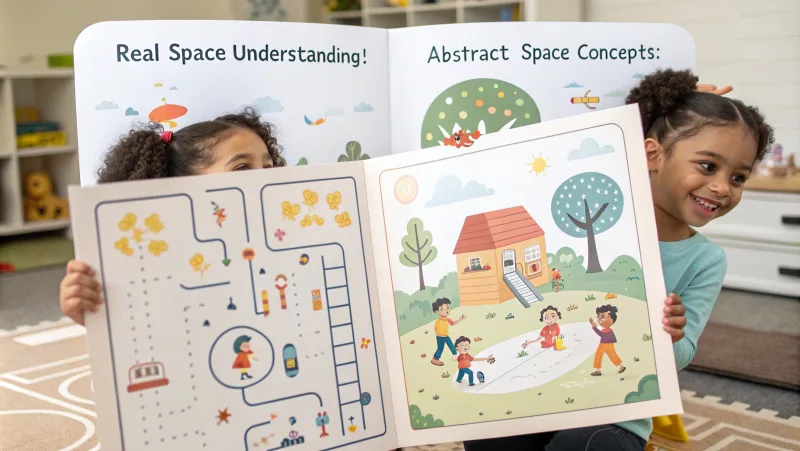
Concrete Space:
- Judging distances and intervals
- Determining position in space
- Orientation within the environment
Abstract Space:
- Developing spatial reasoning
- Overcoming spatial fears
- Building spatial concepts
Cognitive Function
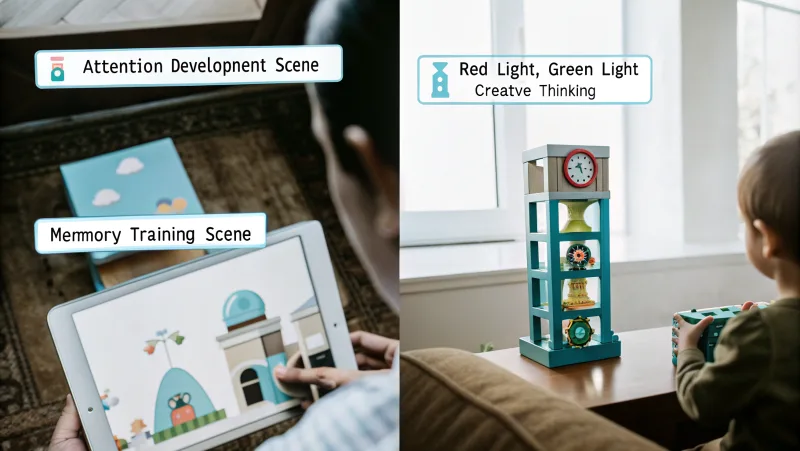
Developing Attention:
- Training selective attention
- Extending attention span
- Developing multitasking ability
Executive Function:
- Controlling motor responses
- Developing creative thinking
- Improving planning skills
Memory:
- Training working memory
- Developing long-term memory
- Integrating motor skills
Sensory Integration
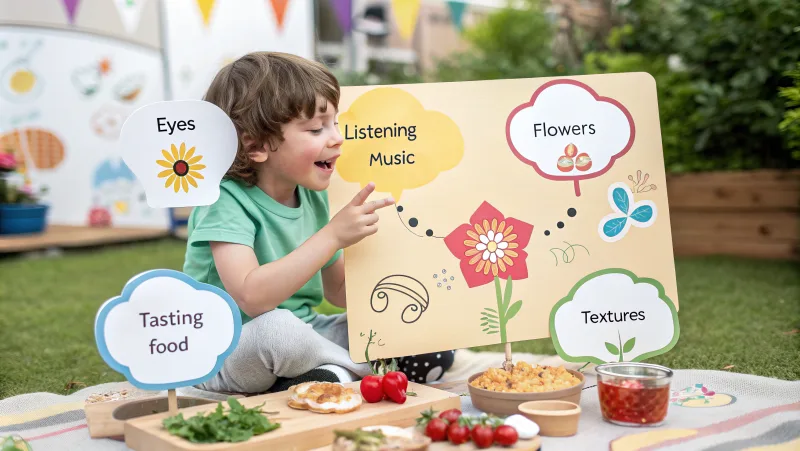
All the senses work together to support:
- Positioning in space and time
- Perceiving the body's signals
- Adapting to the surrounding environment
Practical Exercises in Psychomotor Rehabilitation
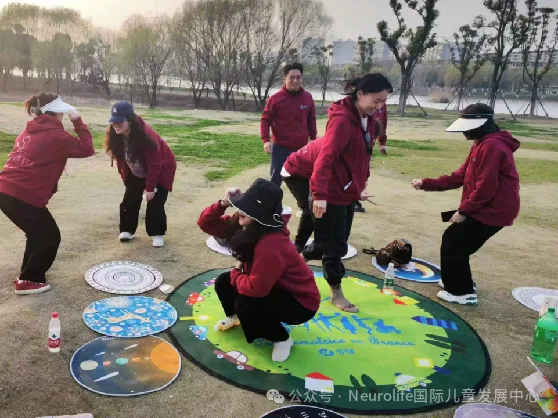
1. The "Bottle Push" Exercise
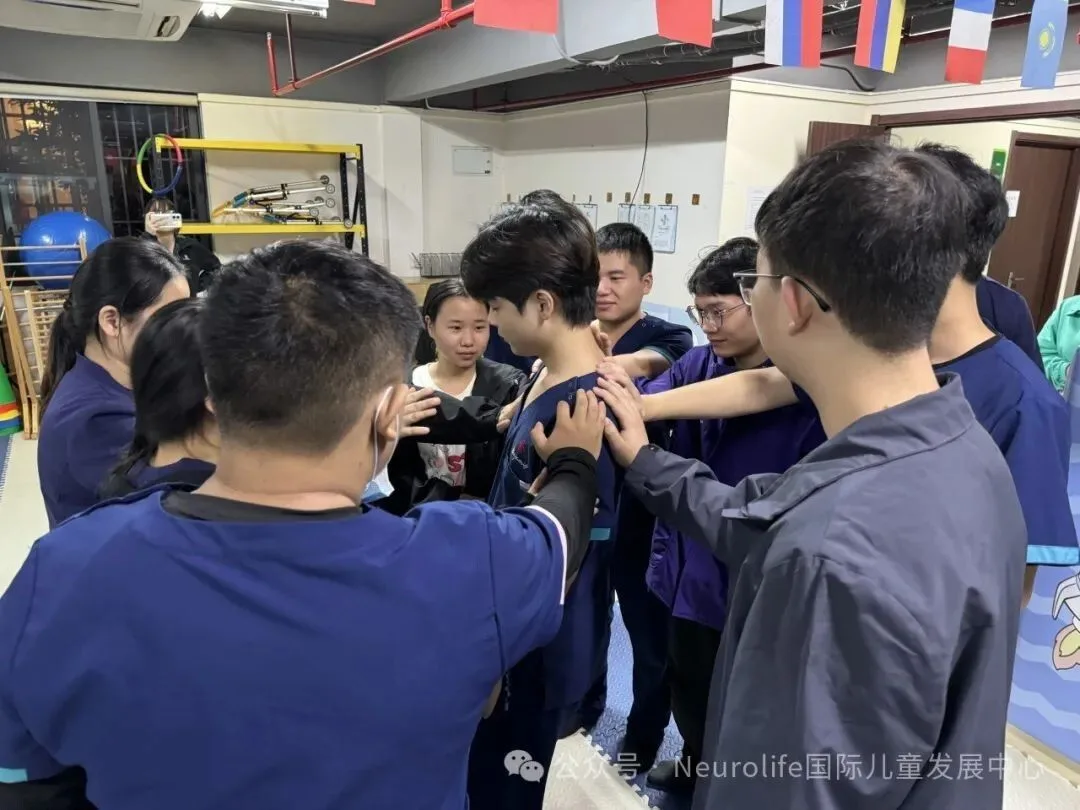
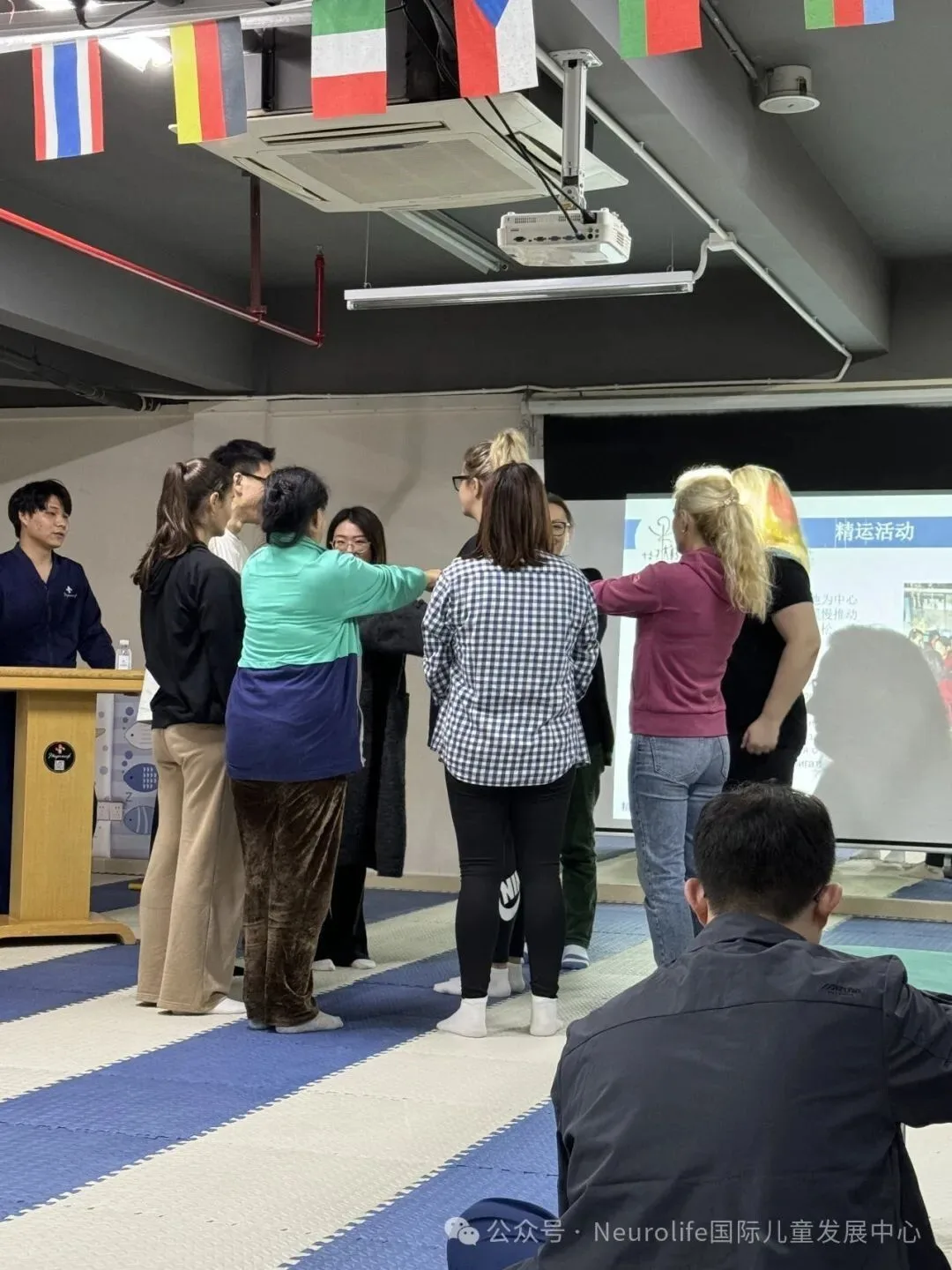
This exercise builds trust and balance, helping to develop spatial awareness and improve equilibrium. It's done in a group, with participants helping each other maintain balance.
How the Exercise Is Performed:
- The group forms a circle with one participant standing in the center
- The other participants gently rest one hand on the central participant's body
- The participant in the center closes their eyes and relaxes completely
- The group makes smooth, controlled movements, gently rocking the central participant so they slowly turn
Therapeutic Effect:
- Developing the vestibular system
- Improving movement coordination
- Relieving muscle tension
- Building trust within the group
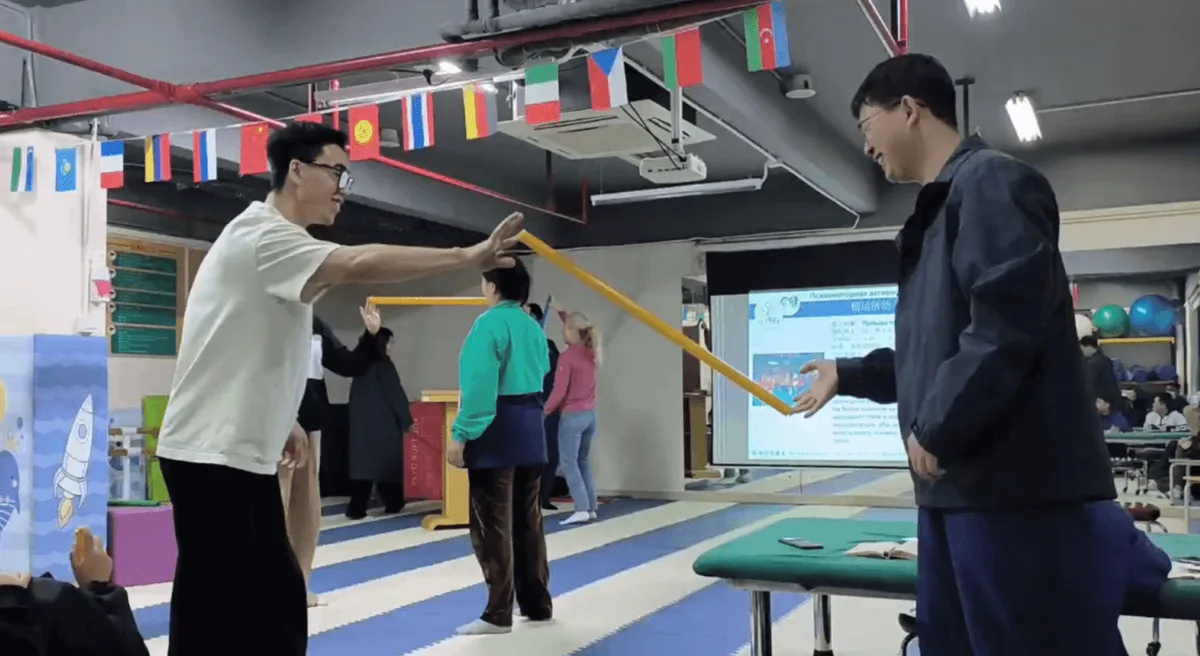
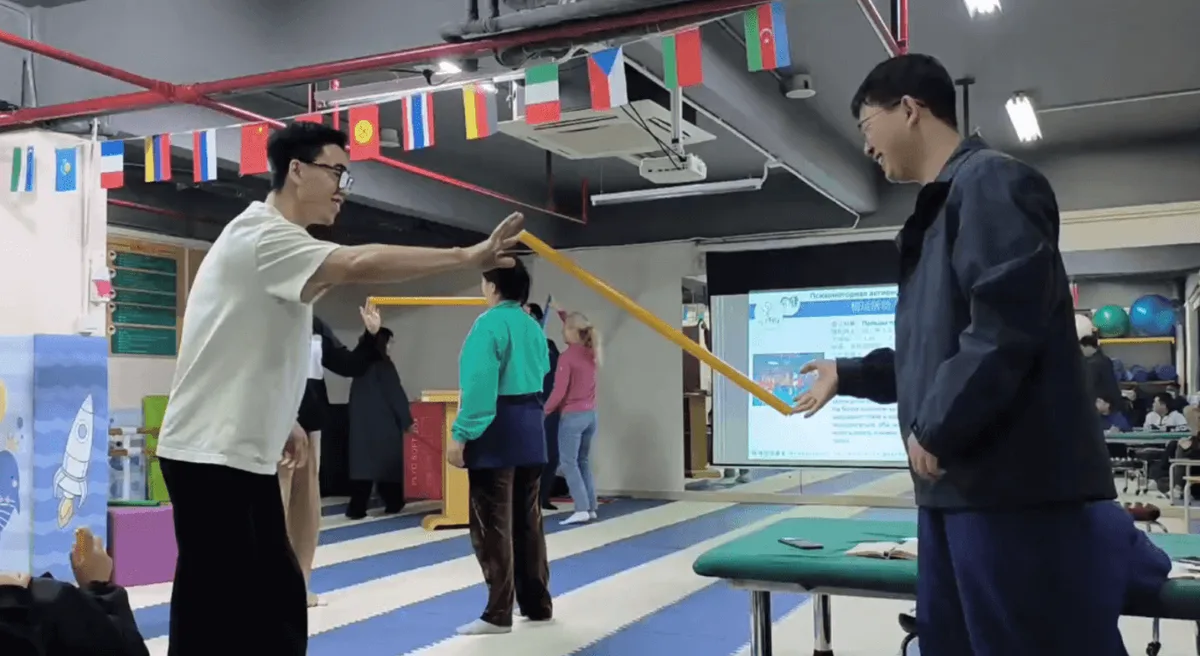
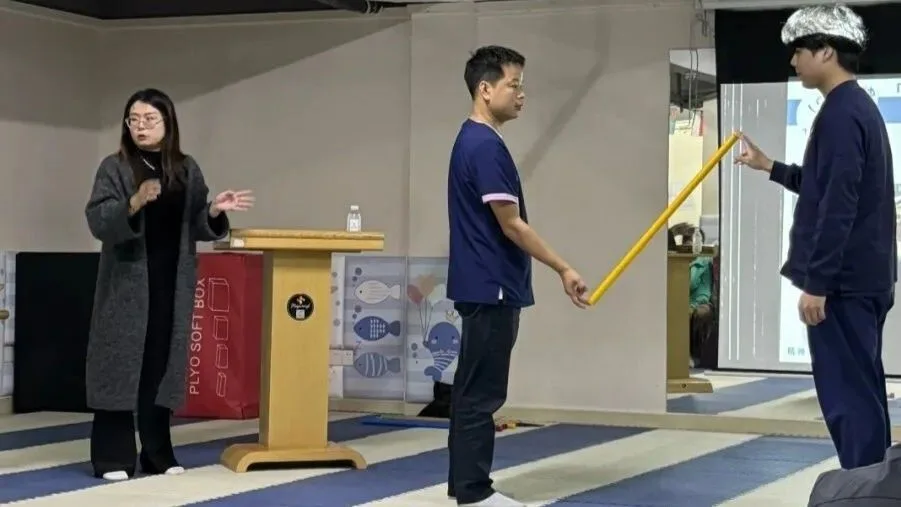
2. The "Fingertip Holds the Stick" Exercise
Modern pediatric rehabilitation includes special exercises aimed at developing fine motor skills and movement coordination. The "Fingertip Holds the Stick" technique is an effective way to improve sensorimotor integration and develop spatial awareness in children.
Basic Level
The exercise is done in pairs, supervised by a rehabilitation specialist. The participants stand facing each other and hold a small stick, touching its ends with their fingertips. One partner makes smooth, guiding movements while the other follows closely, maintaining constant contact with the stick. The main goal is to work together smoothly and keep the stick from falling.
Advanced Level
Once the basic level has been mastered, participants move on to a more challenging version of the exercise. At this stage, they perform the same actions with their eyes closed, which significantly increases the coordination challenge. Free movement through space is also introduced. Both partners take turns controlling the stick's movement using only their fingertips.
Therapeutic Effects of the Technique:
Regular practice of this exercise helps develop the following skills:
- Refining tactile sensitivity
- Improving movement coordination
- Developing spatial awareness
- Building teamwork skills
- Training focus and attention
Recommendations for Running Sessions
For the best therapeutic effect, sessions should be held in a specially equipped room under the guidance of a qualified pediatric rehabilitation specialist. The duration and intensity of the sessions are determined individually, based on the child's age and developmental needs.
3. The "Fist-Palm" Game
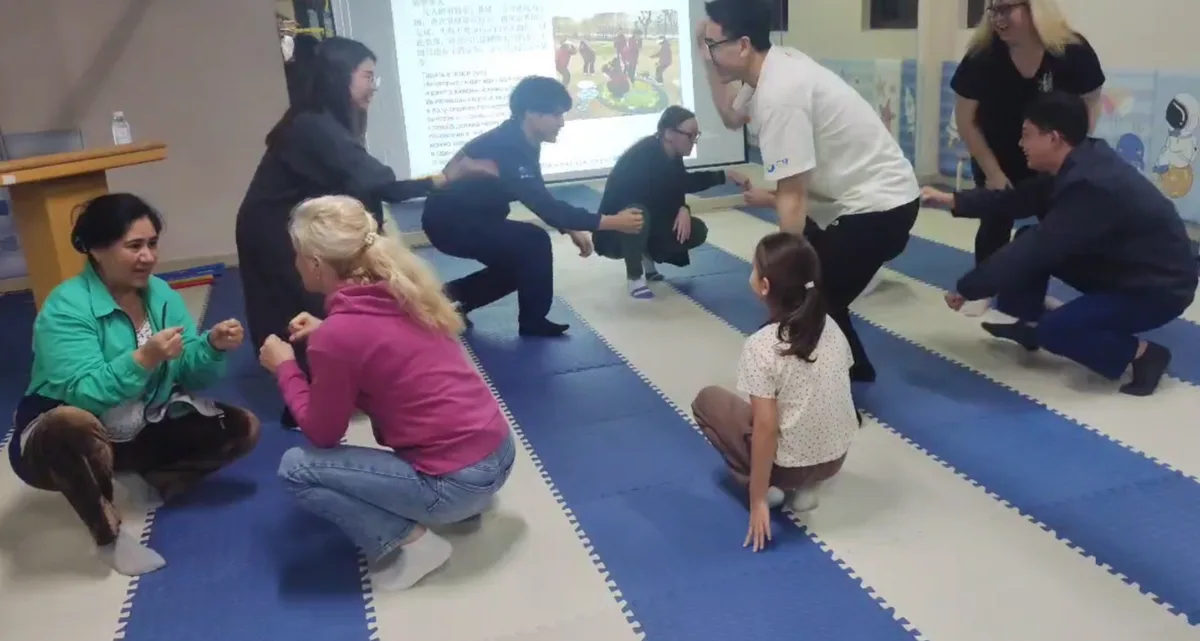
This game helps develop social interaction and motor skills.
It's based on the principles of the traditional game of rock-paper-scissors.
Rules of the Game
The exercise is built around gradually changing the participants' body position. The game begins with everyone in a full squat, which helps develop muscle control and balance. As participants complete tasks successfully, they progress through higher positions: a half-squat, and then standing.
Levels of Difficulty and Progression
The game is divided into three clear levels, each corresponding to a different body position:
Beginner level: participants are in a full squat and only play against others at the same level.
Intermediate level: after winning, players move up to a half-squat and continue playing against others at their level.
Advanced level: participants who reach a standing position compete against each other for the final win.
Therapeutic Value of the Technique
Regular practice of this exercise helps develop the following:
- Strengthening the musculoskeletal system
- Improving movement coordination
- Training the vestibular system
- Building social interaction skills
- Developing cognitive ability
- Improving focus and attention
How to Start a Psychomotor Rehabilitation Program
- Schedule a consultation with a specialist
- Complete an initial assessment
- Receive an individualized rehabilitation plan
- Begin regular sessions