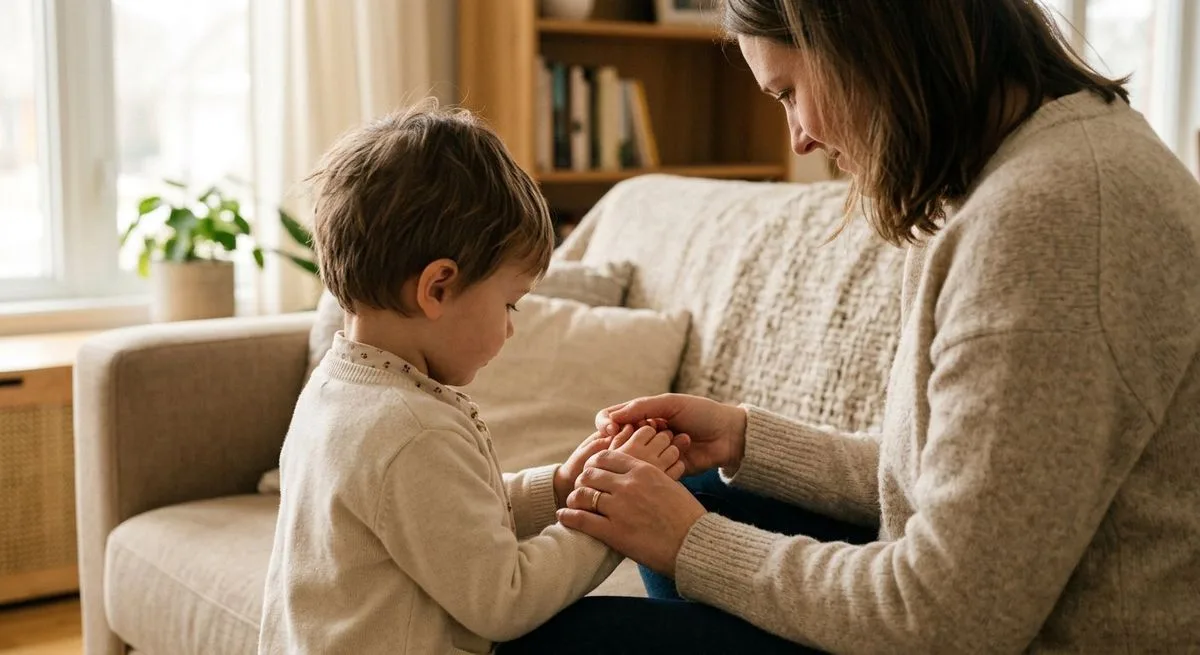
Pediatric pulmonary rehabilitation is a comprehensive approach to restoring lung function that helps improve young patients' quality of life and reduce the frequency of hospitalizations. A well-chosen rehabilitation program builds physical endurance and significantly eases the financial burden on the family.
Who Needs Pediatric Pulmonary Rehabilitation?
Pulmonary rehabilitation programs are recommended for children with the following conditions:
- Bronchial asthma of varying severity
- Acute and chronic pneumonia
- Cystic fibrosis and bronchiectasis
- Bronchopulmonary dysplasia
- Obstructive bronchiolitis
- Lung atelectasis
Special attention is given to patients with neuromuscular conditions and impaired respiratory muscle function.
Modern Methods of Pulmonary Rehabilitation for Children
Effective Breathing Exercises
Specialized breathing exercises include several key techniques:
1. Pursed-Lip Breathing Technique This technique involves the following steps:
- A deep breath in through the nose (count to 3)
- A brief breath hold
- A slow exhale through pursed lips (count to 6)
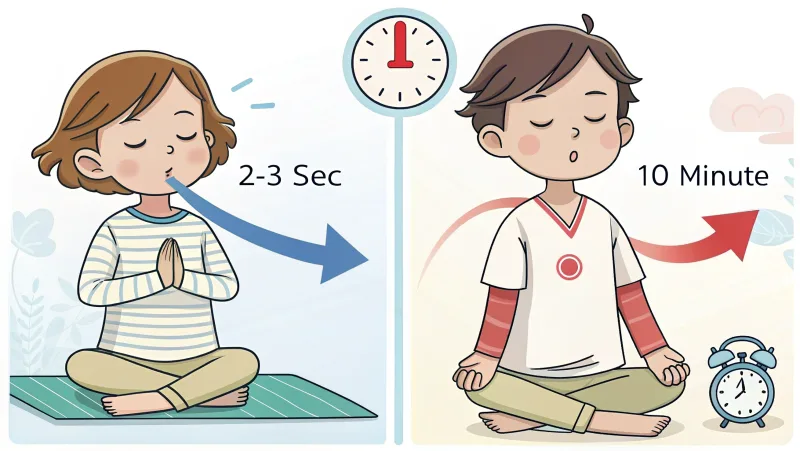
Session length: 5-10 minutes, 1-5 times a day. This method helps improve lung ventilation and optimize gas exchange.
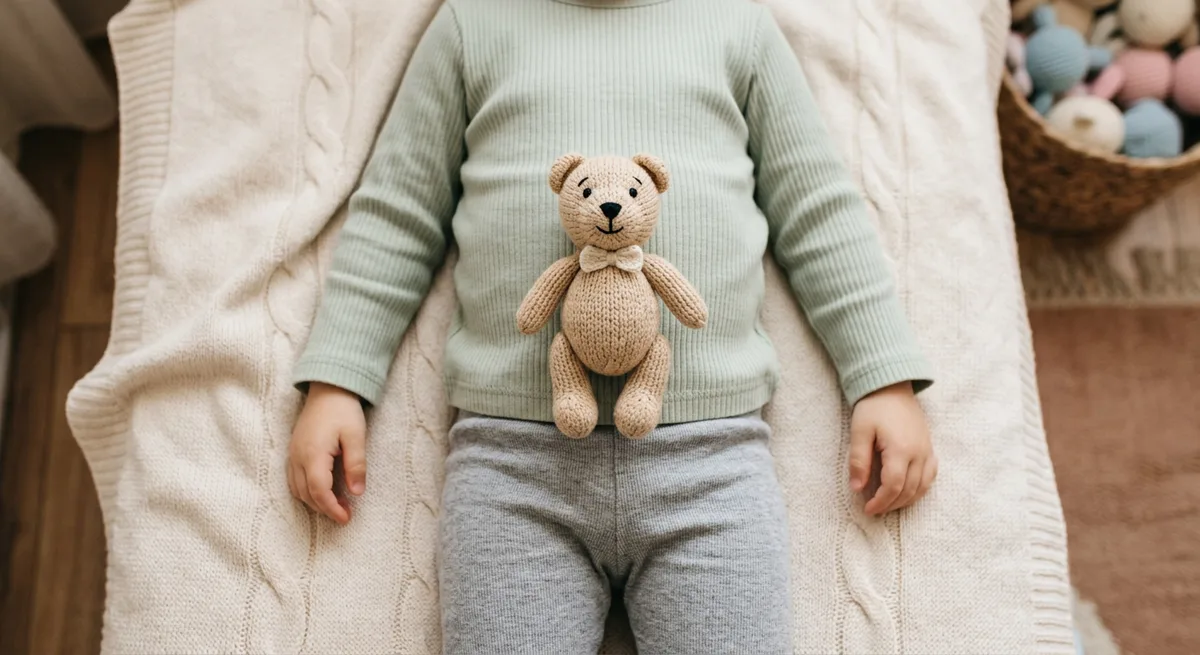
2. Diaphragmatic Breathing How to perform it:
- Place a hand on the belly to monitor movement
- On the inhale — relax the abdominal muscles
- On the exhale — gently contract the abdominal muscles
Session length: 5-10 minutes, 2-3 times a day. These exercises help normalize the breathing pattern.
Play-Based Breathing Rehabilitation Techniques
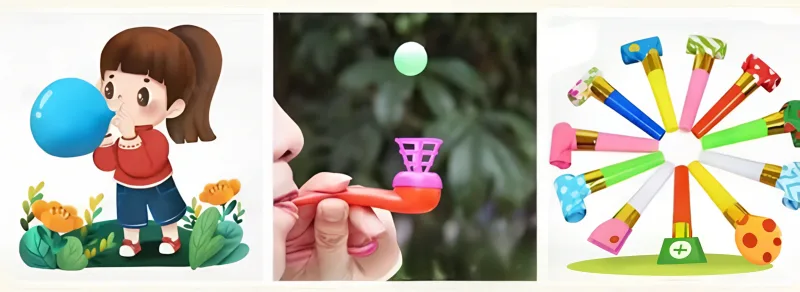
Play-based elements are used to make rehabilitation more effective:
- Blowing up balloons
- Exercises with whistles
- Breathing games with balloons
- Interactive breathing trainers
Comprehensive Physical Rehabilitation
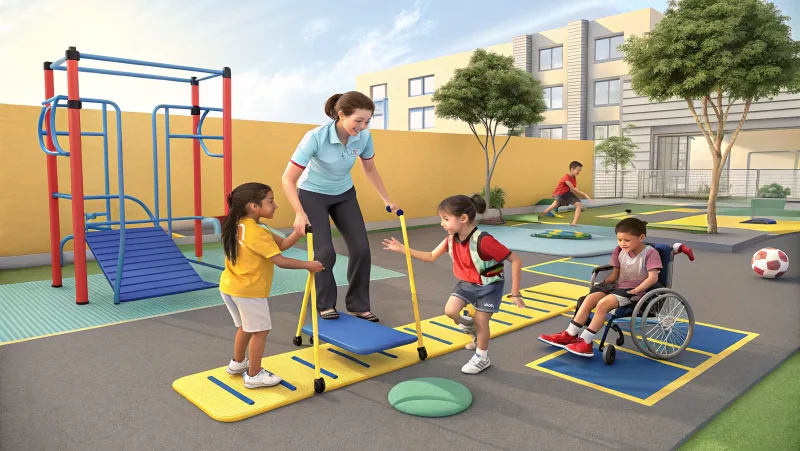
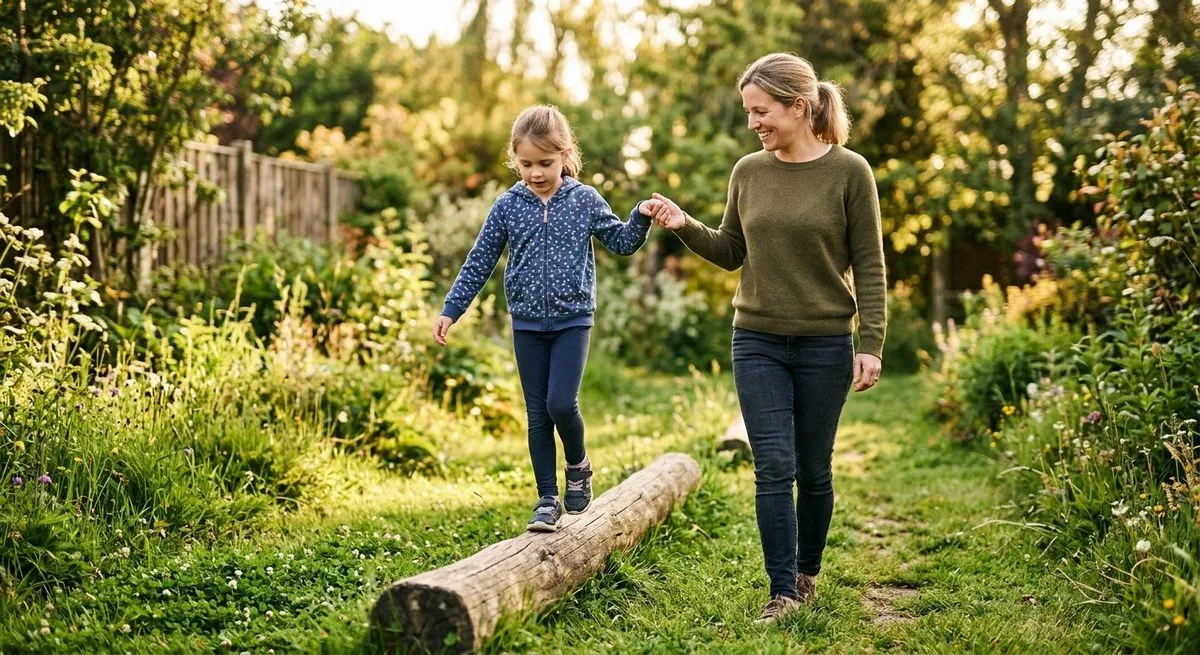
A physical rehabilitation program includes four main components:
1. Aerobic Training
- Graduated walking
- Special breathing exercises
- Swimming
- Stationary bike sessions
2. Strength Exercises
- Adapted squats
- Modified push-ups
- Bodyweight exercises
3. Flexibility Exercises
- Targeted stretching
- Joint mobility exercises
- Corrective exercises
4. Specialized Respiratory Muscle Training
- Exercises for the intercostal muscles
- Diaphragm training
- Resistance breathing exercises
Regular sessions under a pulmonary rehabilitation program help significantly improve children's breathing function and prevent the development of complications.