

What comes to mind when you hear the word "physical therapy"? It might not sound like the most exciting topic. But physical therapy (PT) has a rich history and offers far more than most people realize. Physical therapists don't just guide you through exercises — they play a key role in helping you reach your health goals. Let's look at 9 fascinating facts that reveal the true depth and reach of this field.
9 surprising facts about physical therapy you may not know
When we hear the word "physical therapy," many of us picture simple exercises or stretching with resistance bands. But this field of medicine runs far deeper and is far more varied than it might first appear. Physical therapy doesn't just help people cope with painful conditions — it also prevents them from developing in the first place, making everyday life more active and comfortable.
Fact #1: Ancient roots of a modern science

Surprisingly, the roots of physical therapy stretch back into deep antiquity. As early as 435 BCE, the Greek philosopher Hippocrates began using techniques that would become the forerunners of modern physical therapy. It's a reminder that people have understood the value of physical treatment methods for thousands of years.
Fact #2: Women — the pioneers of physical therapy
Physical therapy was formally recognized as a profession during World War I. Interestingly, it was civilian women working for the US Army who became the field's very first specialists. They were called "reconstruction aides" or "rehabilitation aides," and they worked with wounded soldiers using massage techniques.
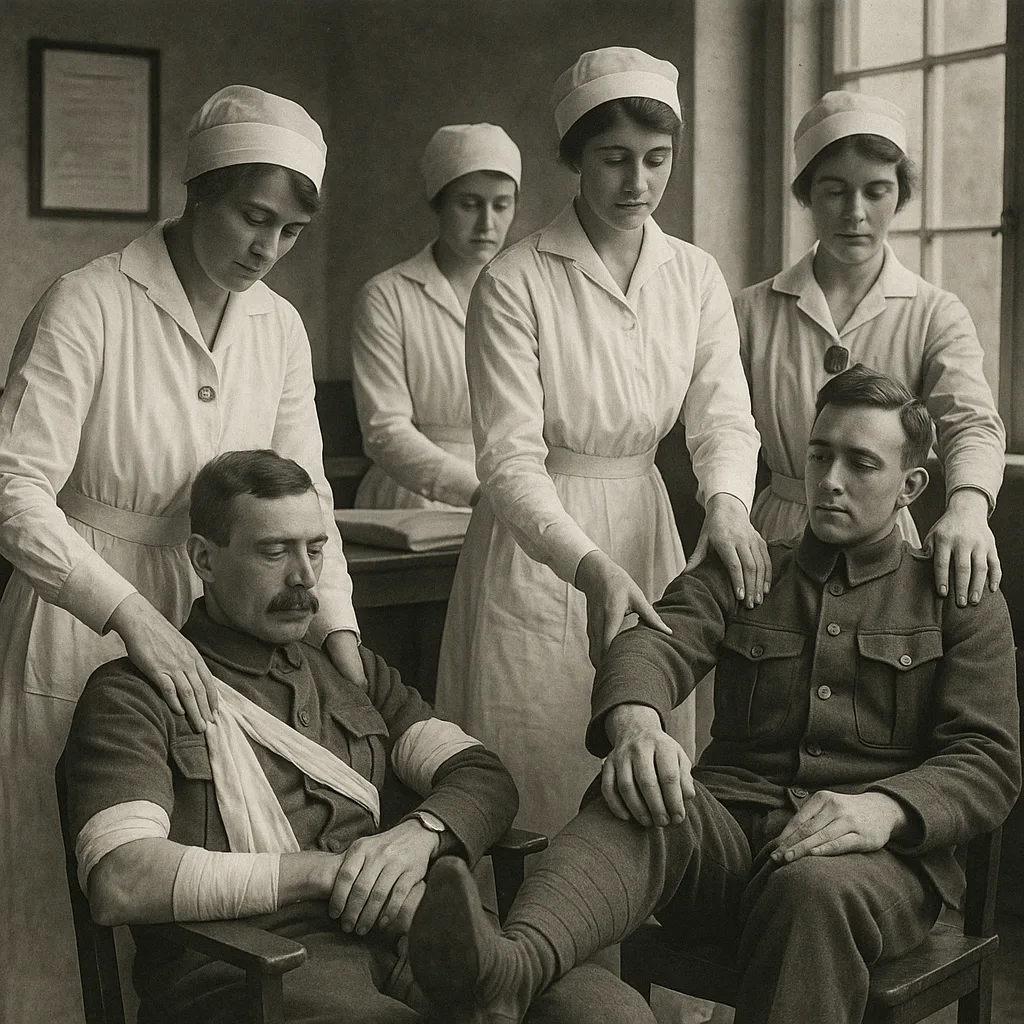
The first physical therapists faced some unusual obstacles — for instance, they had to work in skirts, because Marguerite Sanderson, who trained the first reconstruction aides, lost the political battle for permission to wear trousers.
In 1918, Mary McMillan became the first "reconstruction aide" and went on to develop the physical therapy department at Walter Reed Hospital. However, the program was shut down after the war ended.
In 1921, Mary McMillan, together with colleagues, founded the American Women's Physical Therapeutic Association. Today she is known as the "mother of physical therapy," and women still make up about 70% of physical therapists in the US, though more and more men are entering the profession.
Fact #3: Some curious names for the profession
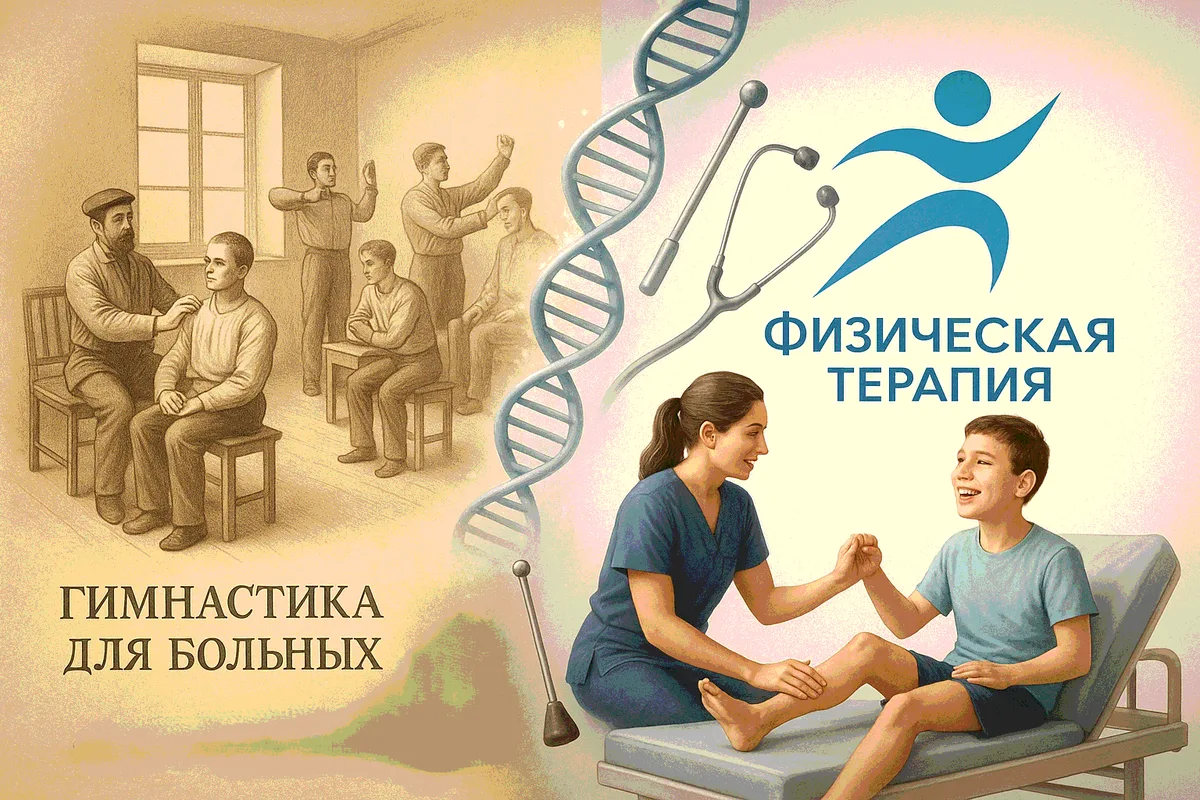
Until 2014, physical therapists in Sweden were called "sjukgymnasts," meaning "someone who does gymnastics for the sick." The term traces back to Pehr Henrik Ling, the "father of Swedish gymnastics," who founded the Royal Central Institute of Gymnastics in 1813 and developed a system of exercises, manipulations, and massage.
Fact #4: A wide range of methods and settings
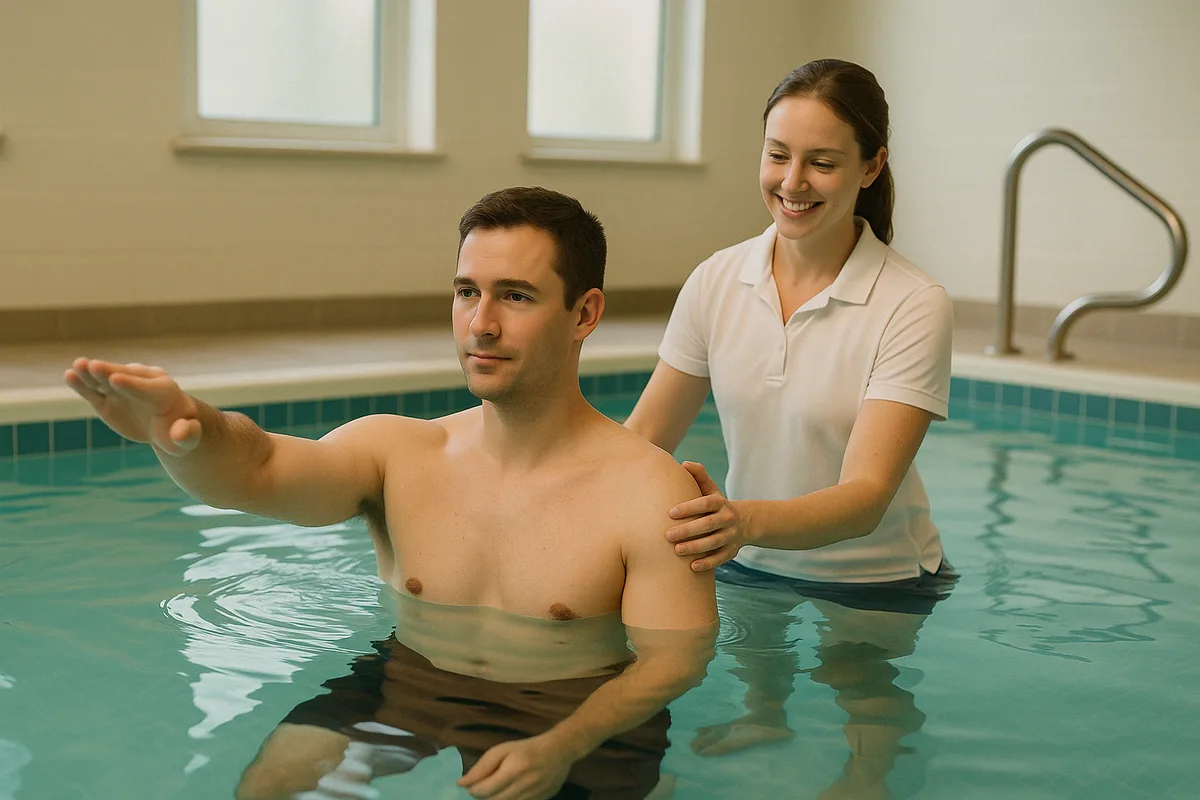
Before the 1950s, physical therapy was only available in hospitals. Today it can take place in all kinds of settings — even in a warm pool! Aquatic therapy uses the properties of warm water to reduce pain and improve mobility, as well as to build strength, endurance, and balance. On top of that, physical therapy services are now available at home or through telehealth.
Fact #5: Physical therapy for children

Adults aren't the only ones who can benefit from physical therapy. For children with developmental differences — such as autism spectrum disorder (ASD), cerebral palsy (CP), Down syndrome, brain injuries, and other conditions — specially designed programs incorporate playful, game-based elements. This makes therapy not just effective, but genuinely enjoyable for young patients.
Fact #6: Modern technology in the service of health

Advances in technology have made physical therapy available through telehealth. This became especially relevant during the COVID-19 pandemic, when many specialists began offering care remotely using secure platforms. During these virtual sessions, patients can discuss their progress, and the therapist can adjust the exercise program accordingly.
Fact #7: Highly qualified specialists
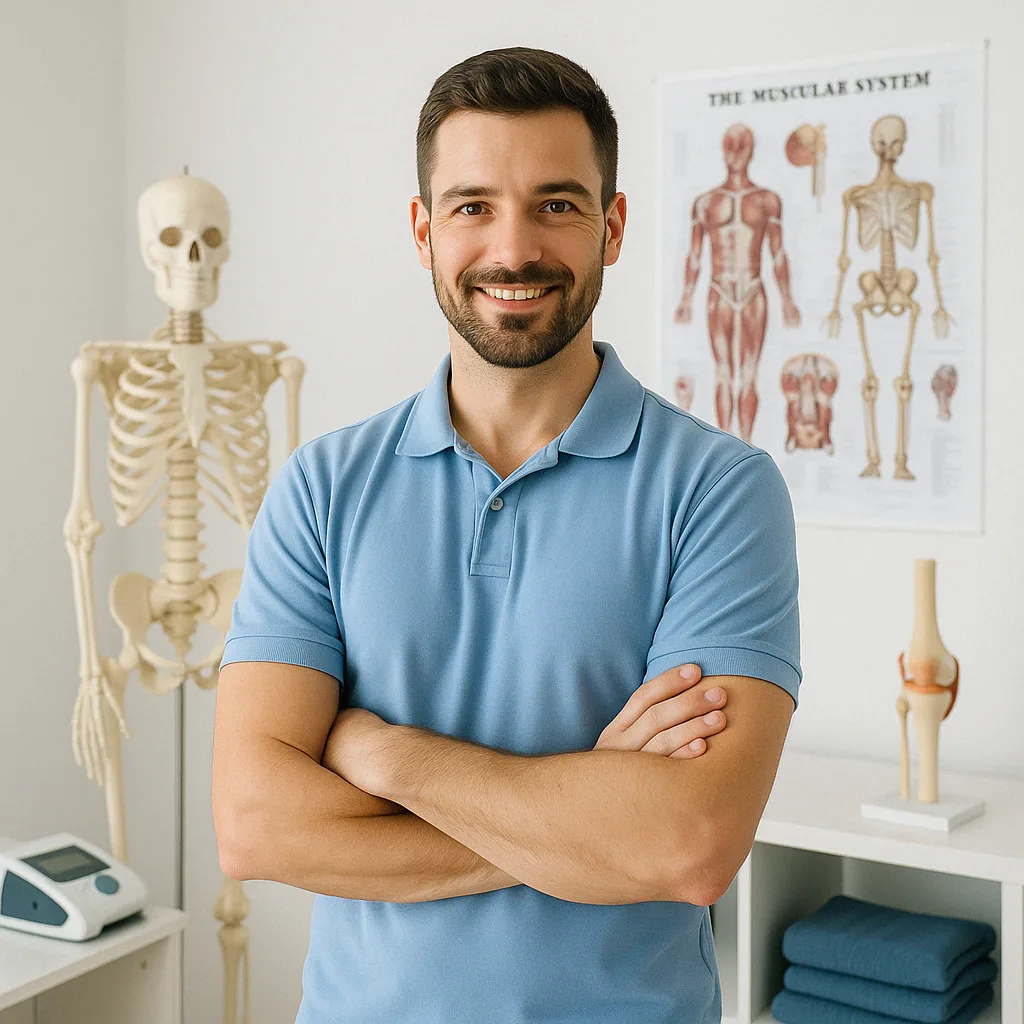
Physical therapists are highly trained medical professionals. For example, since 2015, a doctoral degree has been required to practice as a physical therapist in the US. During their training, they study neuroscience, biomechanics, anatomy, physiology, pharmacology, and many other disciplines, which enables them to effectively help patients with a wide range of conditions.
Fact #8: Help with phantom pain

About 80% of patients with amputated limbs experience unusual sensations in the missing limb — a phenomenon known as "phantom pain." Physical therapists use a variety of methods to ease this distressing condition and improve patients' quality of life.
Fact #9: A remarkably broad range of applications
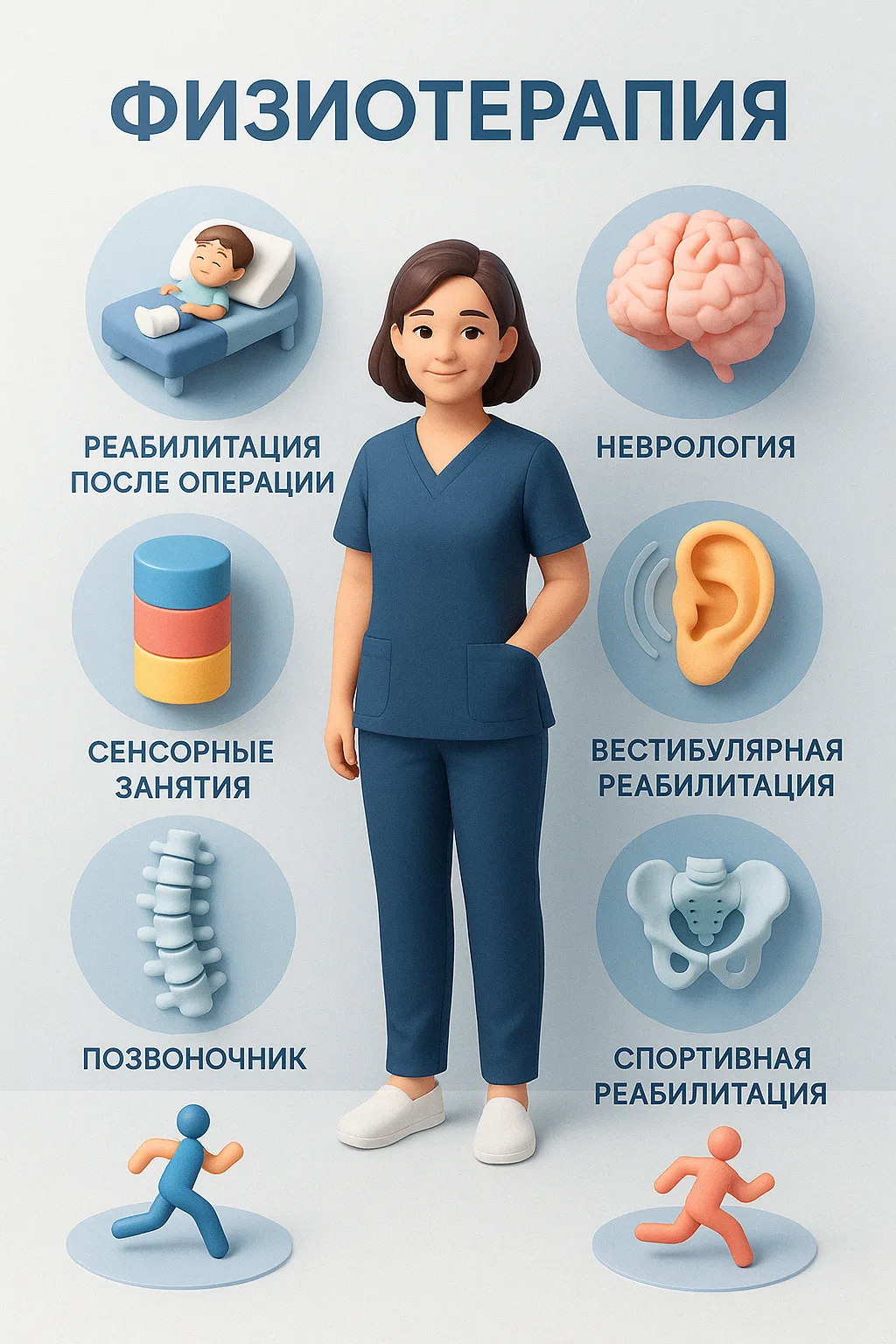
While many people associate physical therapy mainly with treating back pain, its reach is actually much wider. It helps with post-surgical rehabilitation, mobility issues, chronic headaches, inner ear disorders, concussions, urinary incontinence, Parkinson's disease, diabetes, and many other conditions.
Caring for your health is our priority
Physical therapy isn't just about treating existing problems — it's also about preventing them. Through carefully chosen exercises and massage, combined with education on proper movement, physical therapists help strengthen your body and prevent injury.
Don't wait for a minor discomfort to turn into a serious problem! Schedule a consultation with a physical therapist. A professional approach can help you get back to the activities you love and enjoy an active life.