The Immune System — the Body's Most Powerful Doctor
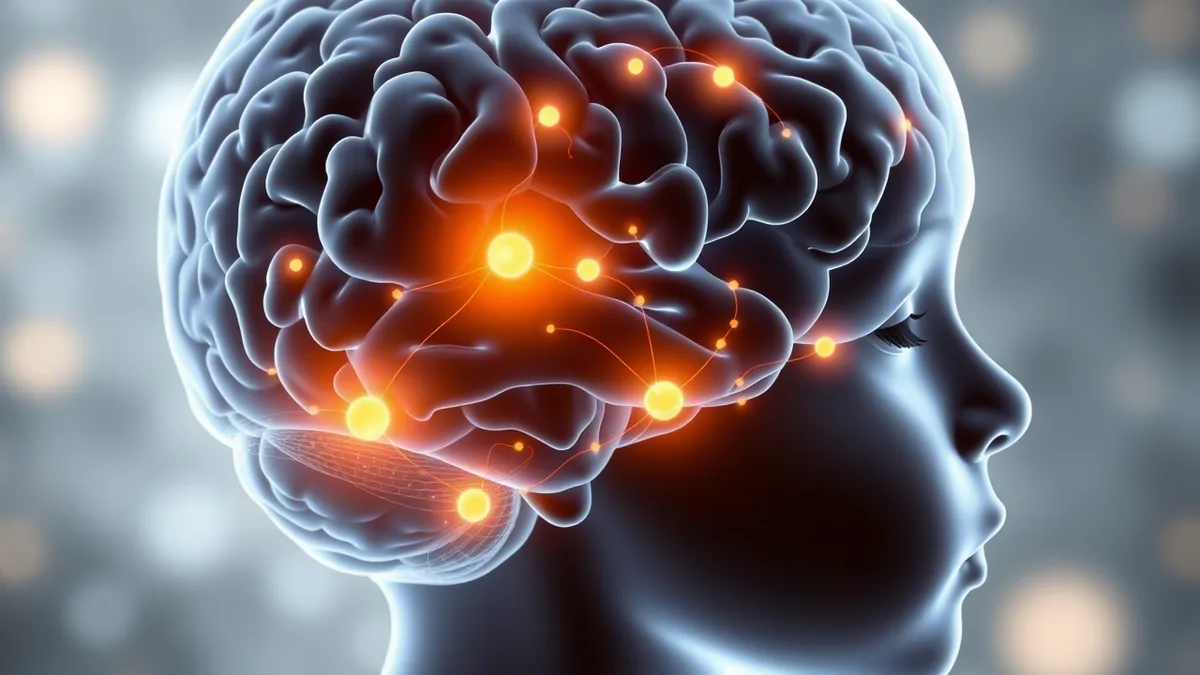
The immune system is vital for humans — it acts as an invisible doctor, constantly guarding our health. It protects us from bacteria, viruses, and other external threats, and prevents the development of many diseases. The optimal balance of the immune system is the best possible state for the body: it should be neither too weak nor overly active.
When immune cells are weakened, the body becomes vulnerable to various infections and diseases. This happens because the immune system can no longer effectively recognize and attack pathogens, which then multiply unchecked in the body and cause illness. However, if immune cells are overly active, the situation becomes dangerous as well. The immune system may mistakenly perceive normal cells and tissues as foreign invaders and begin attacking them. In such cases, immune cells turn into uncontrolled warriors that attack indiscriminately, leading to autoimmune diseases[1]. Rheumatoid arthritis and systemic lupus erythematosus, for instance, are diseases caused by immune system hyperactivity. That is why maintaining immune balance is so important.
A Key Feature of Mesenchymal Stem Cells: Powerful Immunomodulation
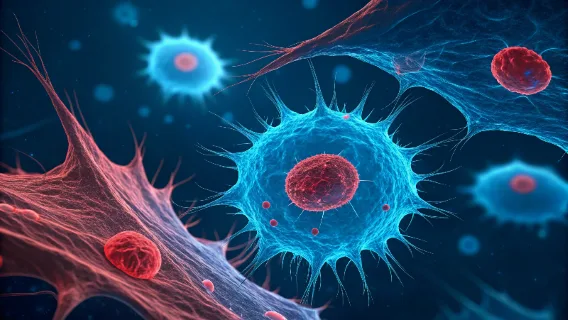
Mesenchymal stem cells (MSCs) have a unique feature — a powerful immunomodulatory function. These cells can regulate the body's immune response under conditions of inflammation. For example, when the body is exposed to a large surge of inflammatory factors (the so-called cytokine storm), mesenchymal stem cells activate and begin releasing large quantities of immunomodulatory factors, chemokines, and growth factors. They regulate the immune microenvironment of tissues and activate other somatic stem cells, reducing the inflammatory response and restoring tissue in situ[2]. This gives stem cells real therapeutic potential for many conditions, including acute respiratory distress syndrome, graft-versus-host disease (GVHD) following hematopoietic stem cell transplantation, systemic scleroderma, systemic lupus erythematosus, inflammatory bowel disease, allergic rhinitis, rheumatoid arthritis, type 1 diabetes, and others.
The Han's Group team has carried out extensive research into the immunomodulatory effects of stem cells and achieved significant progress across a range of diseases. In April 2021, for example, Han's Group's subsidiary Tianjin Angsai Cell and Gene Engineering Co., Ltd. received tacit approval from the Center for Drug Evaluation (CDE) under China's National Medical Products Administration to begin clinical trials of a new drug — an injectable preparation based on mesenchymal stem cells derived from umbilical cord tissue. The new drug targets acute respiratory distress syndrome, a condition that often develops in patients with severe pneumonia, inhalation of toxic substances, severe trauma, or infection, and is also one of the clinical manifestations of severe COVID-19.
In early 2020, as the world was gripped by the novel coronavirus pandemic (SARS-CoV-2), several research institutions in Hubei Province, Wuhan, used stem cells to treat COVID-19 patients. The core mechanism is that stem cells release various immunomodulatory factors and proteases that regulate the body's immune response, reduce inflammation in affected areas, limit damage to lung cells, promote the resorption of pulmonary exudate, and restore gas exchange between the alveoli and blood vessels — improving lung function in patients. The development and application of stem cells opened new possibilities for treating COVID-19 patients.
In short, mesenchymal stem cells possess a unique ability to regulate the immune system, which makes them extremely promising for medical research and therapy. These cells can suppress excessive immune responses, helping to ease the manifestations of autoimmune diseases, while also supporting tissue repair and strengthening the body's capacity to regenerate after injury. The unique properties of stem cells are opening new paths for innovative therapies — particularly in fighting inflammation, healing wounds, and treating immune-related diseases.
Author: He He
Reviewers: Chen Shuang, Zhang Yan
References:
[1]. Fundamentals and Clinical Applications of Mesenchymal Stem Cells (2nd edition), Han Zhongchao, Li Zongjin, Han Zhibo, Beijing, Science Press, June 2019.
[2]. The Seed of Life, Zhou Qi, Beijing, Popular Science Press, November 2021.
Disclaimer:
- This article is intended for public education on cell science, scientific exchange, and awareness of the latest developments in the field. It does not express an official position, is not a basis for value judgments, and does not constitute medical advice or recommendations on the use of medications. It is not an advertisement and is not intended to promote the sale of any product; it is provided for reference only.
- This article may contain copyrighted images. Please exercise caution when copying.
- If this article contains images or videos subject to copyright, please contact us to have them removed.