Introduction
This article is a detailed guide to respiratory care for children with spinal muscular atrophy (SMA). We'll cover every aspect of respiratory support, drawing on materials provided by Cure SMA (USA). The information will be useful both for parents and family members of children with SMA and for medical professionals.
What Is SMA, and Why Does Respiratory Care Matter?
Spinal muscular atrophy (SMA)<span> is a group of inherited disorders involving the progressive loss of motor neurons, which leads to muscle weakness and atrophy. SMA is the second most common autosomal recessive disorder that is fatal, occurring in roughly 1 in 6,000 to 1 in 10,000 newborns.</span>
Autosomal recessive disorders are conditions that appear only when a child inherits two copies of the defective gene — one from each parent. If a child inherits only one copy, they are a carrier but do not develop the disease.
Unfortunately, there is currently no cure for SMA. That's why the main focus is on supportive therapy and careful, consistent care.
Breathing problems are the leading cause of complications and death in children with SMA type I and II. This is exactly why respiratory therapy is critical to their survival and quality of life.
Section 1: The Basics of Respiratory Therapy
1.1 What Is Respiratory Therapy?
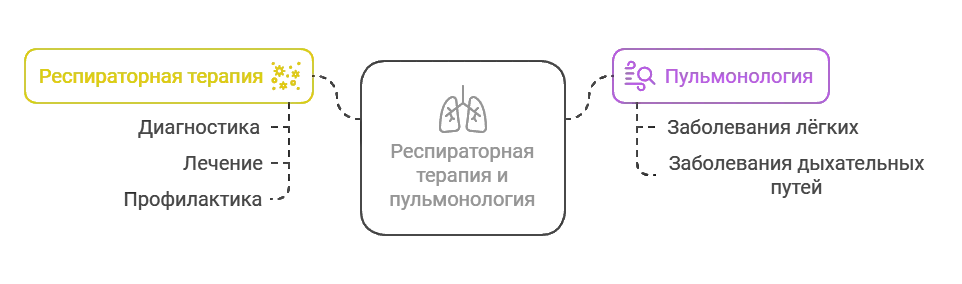
Respiratory therapy is a field of medicine concerned with the function and health of the lungs and the respiratory system as a whole. It covers the diagnosis, treatment, and prevention of conditions that affect breathing.
Pulmonology is a branch of medicine specializing in diseases of the lungs and airways. In some countries this field is called thoracic or respiratory medicine.
1.2 Who Are Pulmonologists and Respiratory Therapists?
-
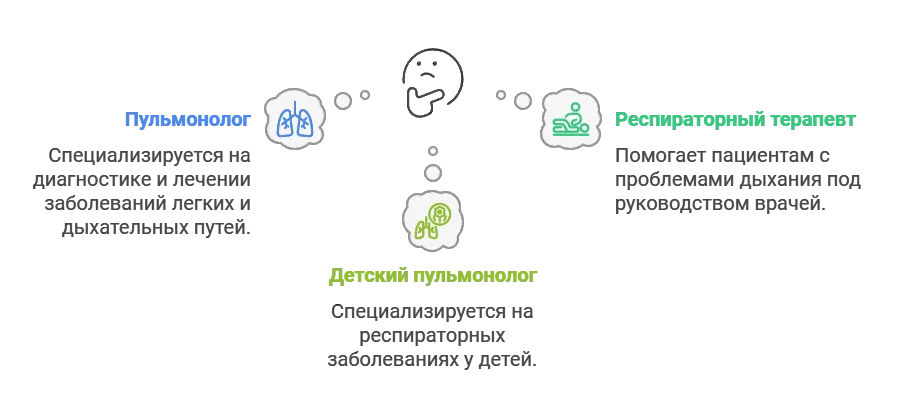
Pulmonologists — physicians who specialize in diagnosing and treating diseases of the lungs and airways.
-
Respiratory therapists — clinicians with specialized medical training who help patients with breathing disorders. They work under physician supervision and carry out procedures such as oxygen therapy, inhalation treatments, teaching breathing exercises, and more.
-
Pediatric pulmonologists — pulmonologists who specialize in treating children with respiratory conditions.
1.3 How Do We Breathe Normally?
Two main muscle groups are involved in breathing:
-
Intercostal muscles: located between the ribs. They help expand the rib cage, allowing air to flow into the lungs.
-
The diaphragm: a dome-shaped muscle located at the base of the rib cage. When it contracts, the diaphragm flattens downward, creating negative pressure in the chest cavity that draws air into the lungs.
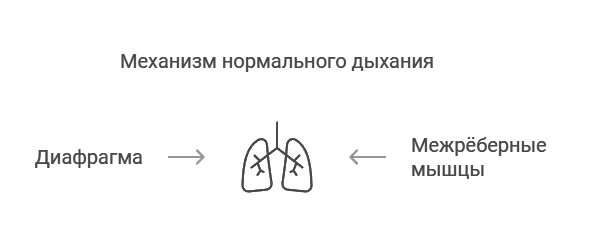
In normal breathing, the intercostal muscles and diaphragm work together in sync. During inhalation, these muscles contract, the rib cage expands, and air flows into the lungs. Oxygen from the air passes into the blood and is carried throughout the body. During exhalation, the muscles relax, the rib cage returns to its resting position, and carbon dioxide is expelled from the lungs.
Section 2: How Children With SMA Breathe Differently
2.1 How Do Children With SMA Breathe?
In children with SMA, breathing differs significantly from the norm. This is because their intercostal muscles are weakened while the diaphragm remains relatively strong.
-
Diaphragmatic breathing: Because the intercostal muscles are weak, the rib cage can't fully expand during inhalation. Instead, the diaphragm does most of the work. With this breathing pattern — called "diaphragmatic breathing" — the belly rises during inhalation instead of the chest.
-
A "bell-shaped" chest: Children with SMA often develop a characteristic bell-shaped chest, where the lower part of the rib cage is wider than the upper part. This happens because the weak intercostal muscles can't properly expand the upper chest, while the diaphragm keeps pulling the rib cage downward.
-
A sunken chest: A sunken, or "excavated," chest can also occur — a condition in which the sternum (the bone at the center of the chest) appears caved in. This happens because the sternum is pulled inward each time the diaphragm contracts.

Section 3: Key Breathing Problems in Children With SMA
Weak respiratory muscles in children with SMA lead to a number of serious problems:
3.1 Underdeveloped Lungs
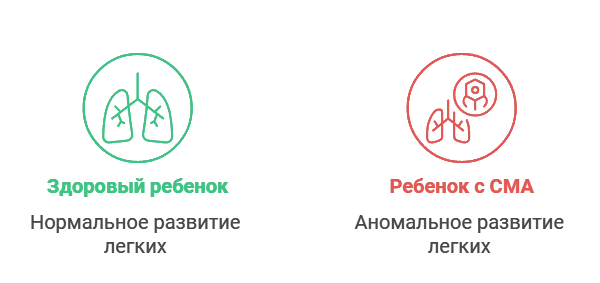
As a child grows, their lungs need to grow and develop as well. But in children with SMA, weak intercostal muscles don't support normal lung development. As a result, the lungs stay smaller than normal, and the chest muscles never reach the strength they need.
3.2 A Weak Cough Reflex
A strong cough is essential for clearing mucus and foreign particles from the airways. In children with SMA, the cough reflex is weakened because the respiratory muscles aren't strong enough. This leads to mucus buildup in the lungs, difficulty breathing, and a risk of atelectasis (collapse of part of the lung).
3.3 Risk of Infections and Pneumonia
Because of their weak cough, children with SMA face a higher risk of respiratory infections, including pneumonia. Mucus buildup in the lungs creates a favorable environment for bacteria to grow.
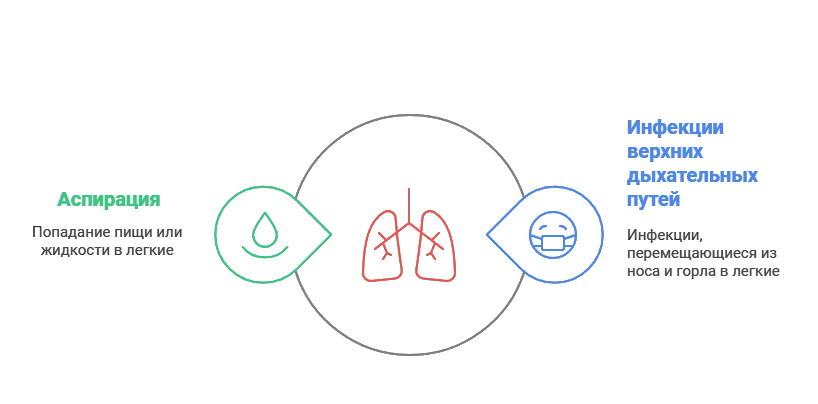
Pneumonia is an inflammation of the lungs that can be caused by bacteria, viruses, or fungi. In children with SMA, pneumonia can develop as a result of:
- An infection spreading from the upper airways (for example, a cold) down into the lungs.
- Aspiration: food, liquid, or stomach contents entering the lungs.
3.4 Viral Respiratory Infections and Respiratory Syncytial Virus (RSV)
Viral respiratory infections pose a serious danger to children with SMA. Respiratory syncytial virus (RSV) is especially dangerous.
- RSV is a common virus that causes symptoms similar to an ordinary cold.
- For most children, an RSV infection is no worse than a common cold, but in children with SMA it can lead to serious breathing problems that require hospitalization.
- RSV is highly contagious and typically spreads during the fall and winter months.
- The virus spreads easily through contact with contaminated surfaces, such as toys.
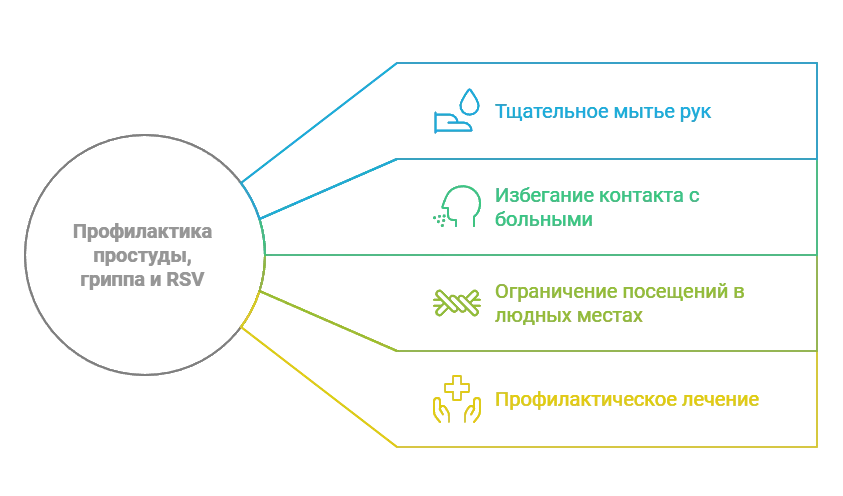
Preventing colds, flu, and RSV:
- Thorough, frequent handwashing.
- Keeping a child with SMA away from people who are sick.
- Limiting visits to crowded places during cold-weather months.
- For some high-risk children, a doctor may recommend preventive RSV medication.
3.5 Swallowing Problems and Aspiration
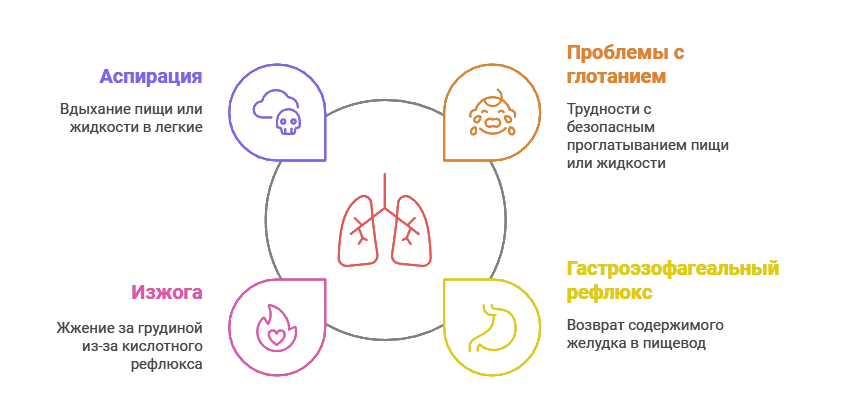
Children with SMA often have trouble swallowing, which increases the risk of aspiration — food or liquid entering the airway.
They may also experience heartburn and gastroesophageal reflux.
- Gastroesophageal reflux — a condition in which stomach contents flow back up into the esophagus.
- Heartburn — a burning sensation behind the breastbone that is a symptom of reflux.
Aspirating food or stomach contents can lead to aspiration pneumonia — a serious lung infection.
3.6 Sleep Disturbances and Hypoventilation
During sleep, the body's muscles relax, including the muscles used for breathing. In children with SMA, this relaxation can lead to hypoventilation — a state in which breathing becomes too shallow or too infrequent, so the body doesn't get enough oxygen and can't clear carbon dioxide.
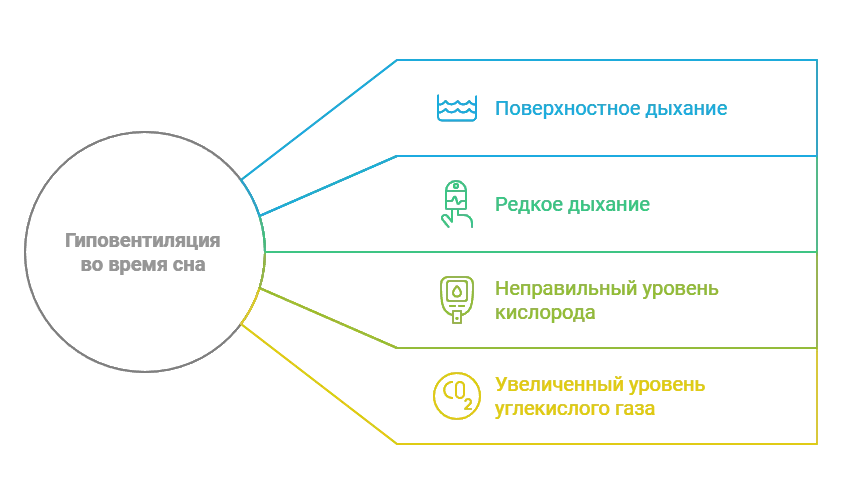
Nighttime hypoventilation is often the first sign of breathing problems in children with SMA.
Section 4: Assessing and Monitoring Respiratory Health
4.1 The Importance of Regular Checkups
All children with SMA need regular checkups with a doctor (every 3-6 months). This makes it possible to assess respiratory health, catch potential problems early, and develop an individualized respiratory therapy plan.

4.2 An Individualized Respiratory Therapy Plan
The respiratory therapy plan is developed by the doctor together with the parents. It takes into account:
- The child's individual characteristics
- The severity of the disease
- The parents' preferences
- The family's capacity to provide care
The plan should include guidance for illness and emergency situations.
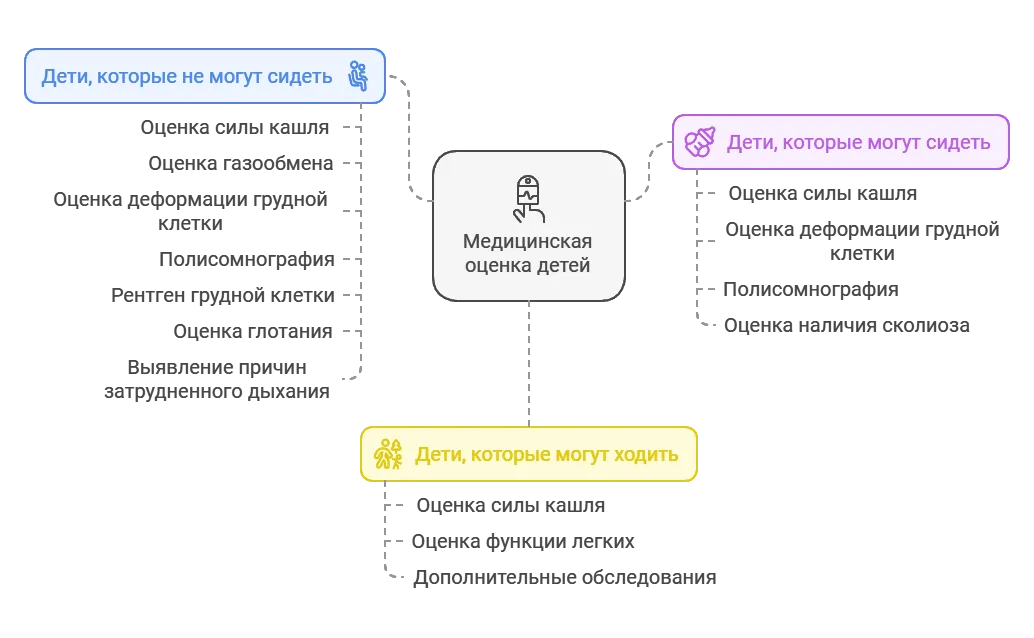
4.3 Assessment Recommendations by Motor Function Level
Children who cannot sit:
- Cough strength assessment
- Gas exchange assessment (blood oxygen level)
- Assessment of chest wall deformity
- A sleep study (polysomnography — a comprehensive test performed during sleep that assesses various body functions, including breathing)
- Chest X-ray
- Swallowing assessment
- Identifying the causes of breathing difficulty
Children who can sit:
- Cough strength assessment
- Assessment of chest wall deformity
- A sleep study (polysomnography)
- Assessment for scoliosis (spinal curvature)
Children who can walk:
- Cough strength assessment
- Lung function assessment (spirometry — a method for measuring the volume and speed of exhaled air)
- Additional tests as needed
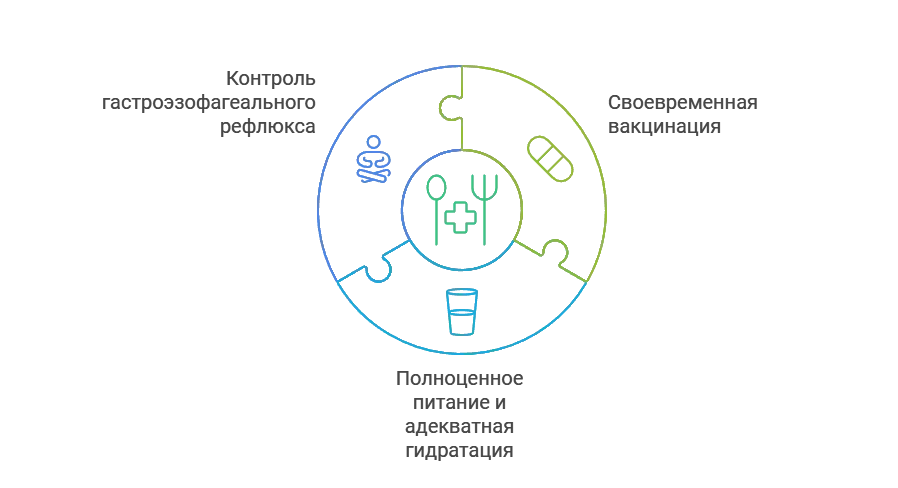
4.4 General Recommendations
- Timely vaccination
- Adequate nutrition and hydration (sufficient fluid intake)
- Management of gastroesophageal reflux
Section 5: Respiratory Therapy Methods
5.1 Breathing Exercises for Lung Development
These exercises help the lungs develop and improve their ability to expand.
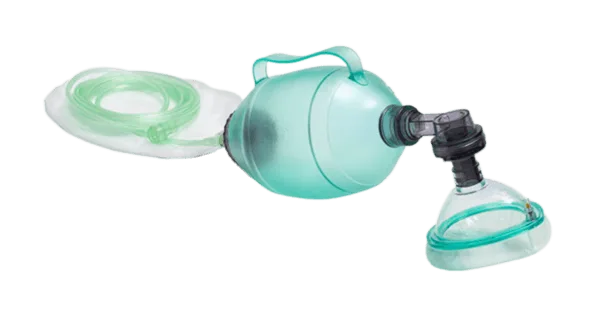
- Resuscitation bag and mask: A mask is placed over the child's nose and mouth, and the bag is used to push air into the lungs during inhalation.
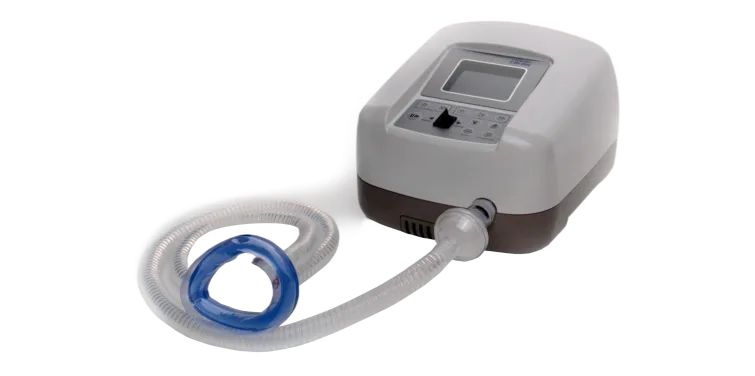
- Mechanical insufflation-exsufflation (cough-assist) device: This device helps the child inhale and exhale. It delivers air into the lungs under positive pressure, then switches to negative pressure to pull the air back out along with mucus. To stimulate lung development, the device can be set to an inhale-only mode with an extended inhale time.
5.2 Coughing and Airway Clearance
-
Cough-assist device (insufflator-exsufflator): Helps the child cough effectively by mimicking a natural cough. Typically 4-5 breathing cycles are performed, followed by a 1-2 minute rest.
-
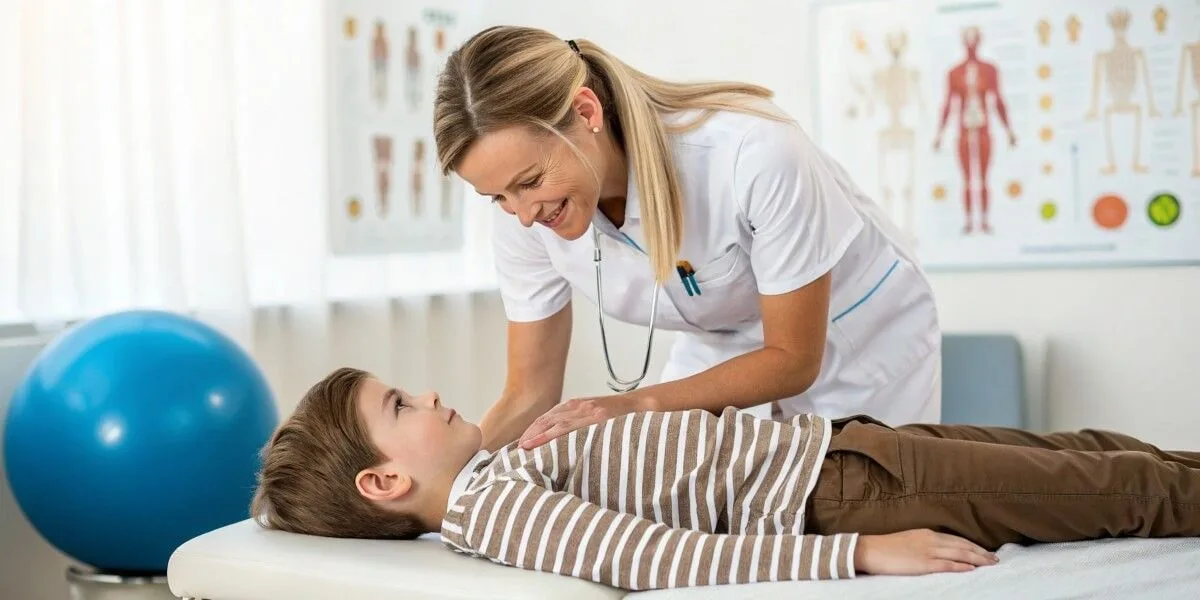
Manually assisted cough technique: A parent or caregiver uses their hands to help the child cough by gently pressing on the diaphragm area during exhalation. This strengthens the exhale and helps clear mucus. After using this technique, mucus should be cleared from the child's mouth.
5.3 Clearing Mucus From the Lungs and Airways (Secretion Mobilization)
These methods help loosen and clear mucus from the lungs, making it easier to cough up.
Chest physiotherapy:
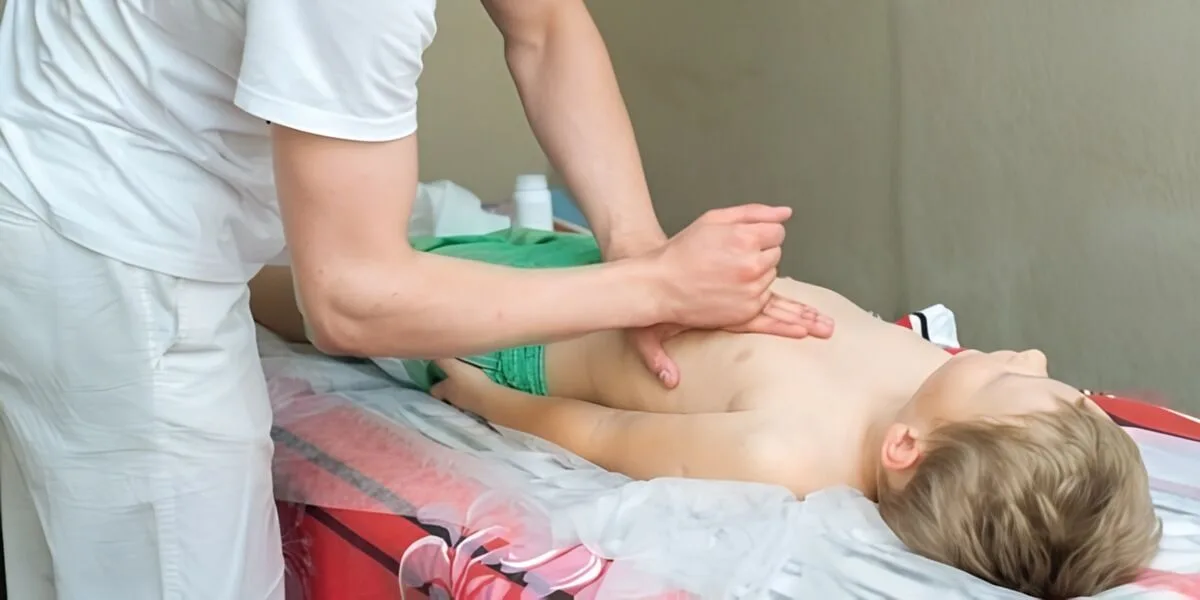
- Manual percussion: Tapping on the chest with the hands or special tools to loosen mucus.
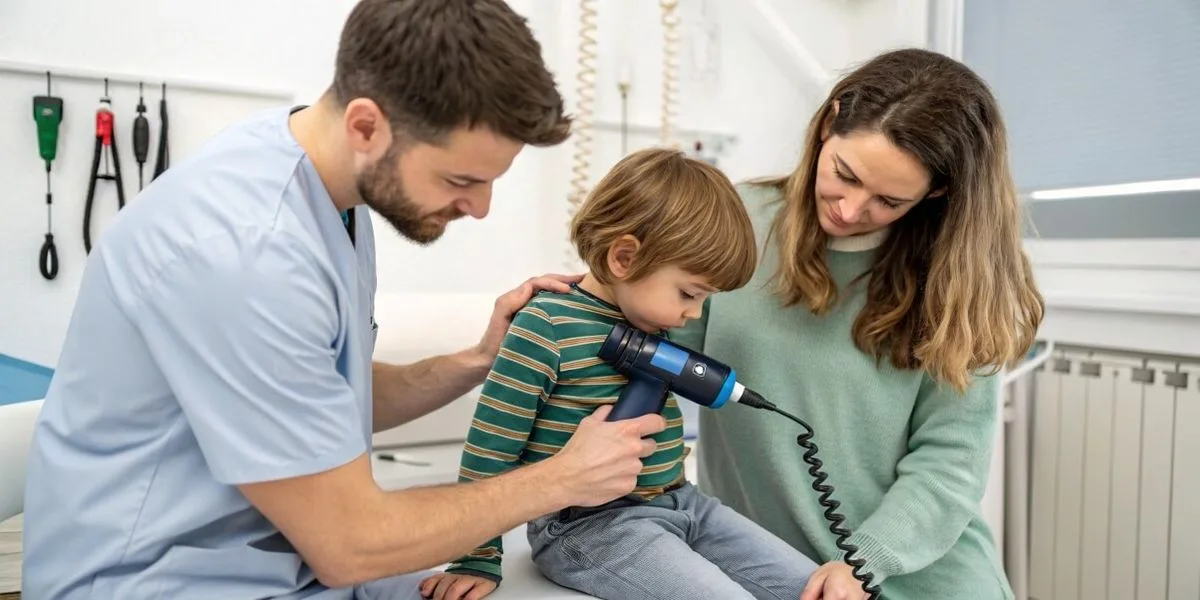
- Mechanical percussion: Using a vibrating device applied to the chest.
- Postural drainage: The child is positioned on an inclined surface so that the head and chest are lower than the hips. This helps mucus drain from the lower lobes of the lungs to the upper airways, where it's easier to clear.
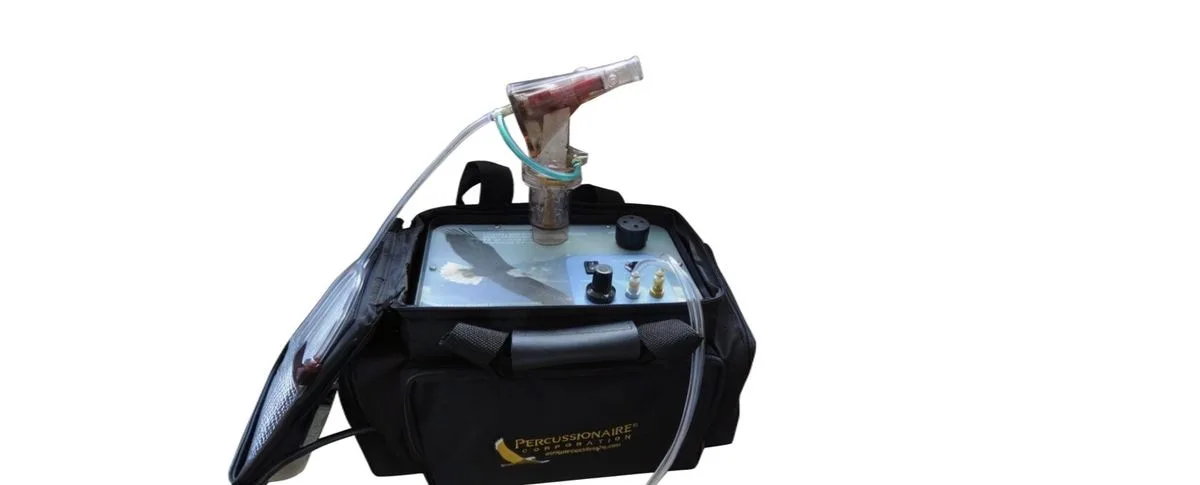
- Intrapulmonary percussive ventilation (IPV): A device delivers pressurized air pulses to the lungs at a set frequency, creating vibration that helps loosen mucus. While running, the device makes a characteristic "puff-puff-puff" sound.
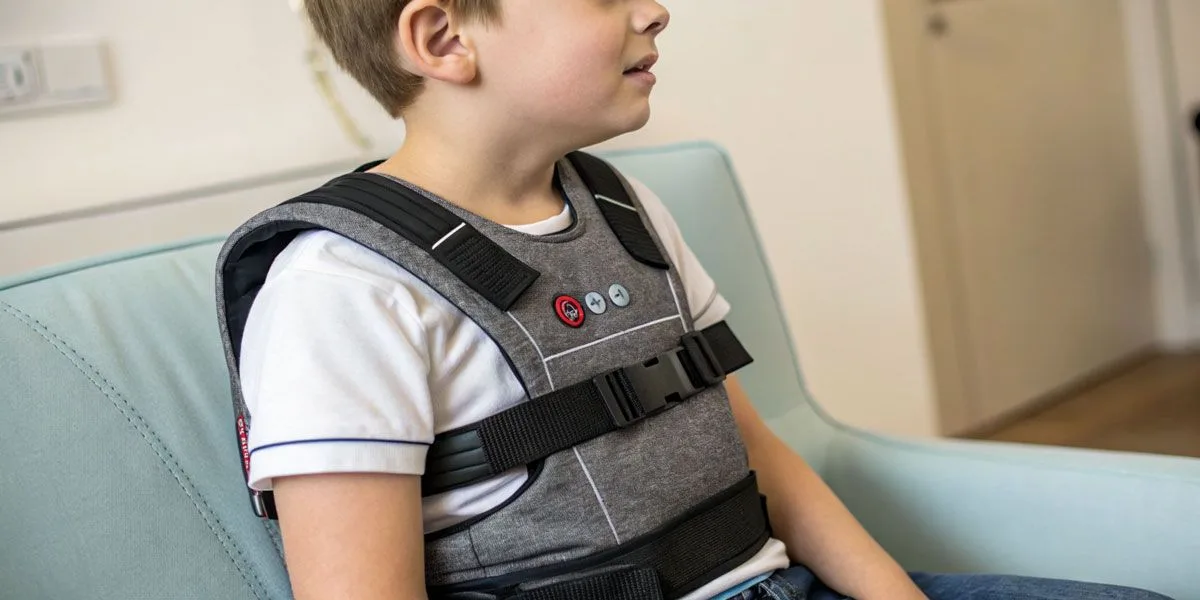
- High-frequency chest wall oscillation (vest therapy): A special vest worn by the child creates chest vibration that helps loosen mucus.
5.4 Measuring Oxygen Levels
Transcutaneous blood oxygen measurement (pulse oximetry): A simple, noninvasive way to measure blood oxygen level. A small sensor is clipped onto the child's finger or toe and shows the blood oxygen saturation level.
A normal blood oxygen saturation level is 95% or higher.
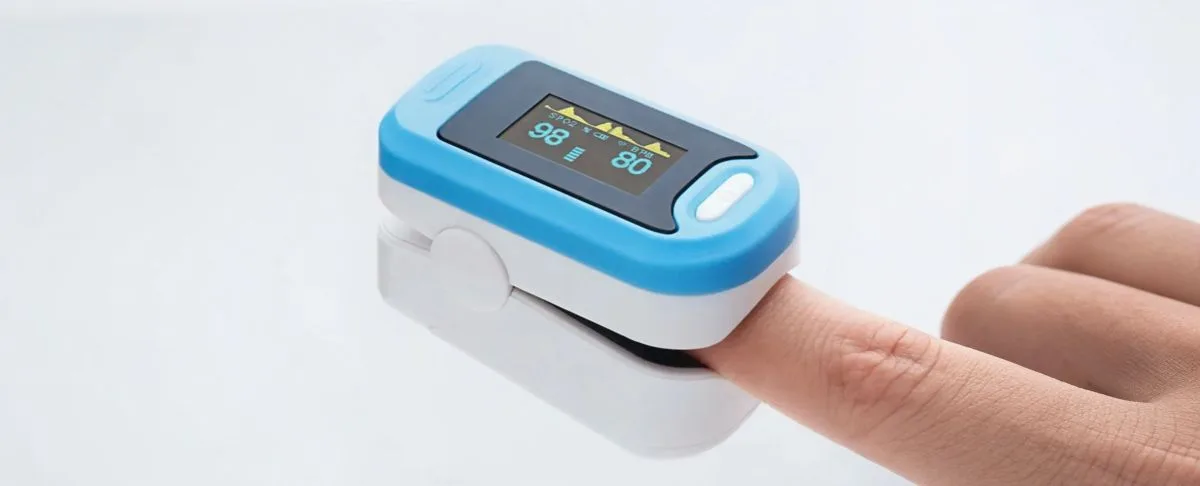
Measuring saturation is especially important during illness. It's a good idea to measure saturation when your child is feeling well too, so you know their baseline level.
Section 6: Choosing Respiratory Support Equipment
6.1 Noninvasive Respiratory Support
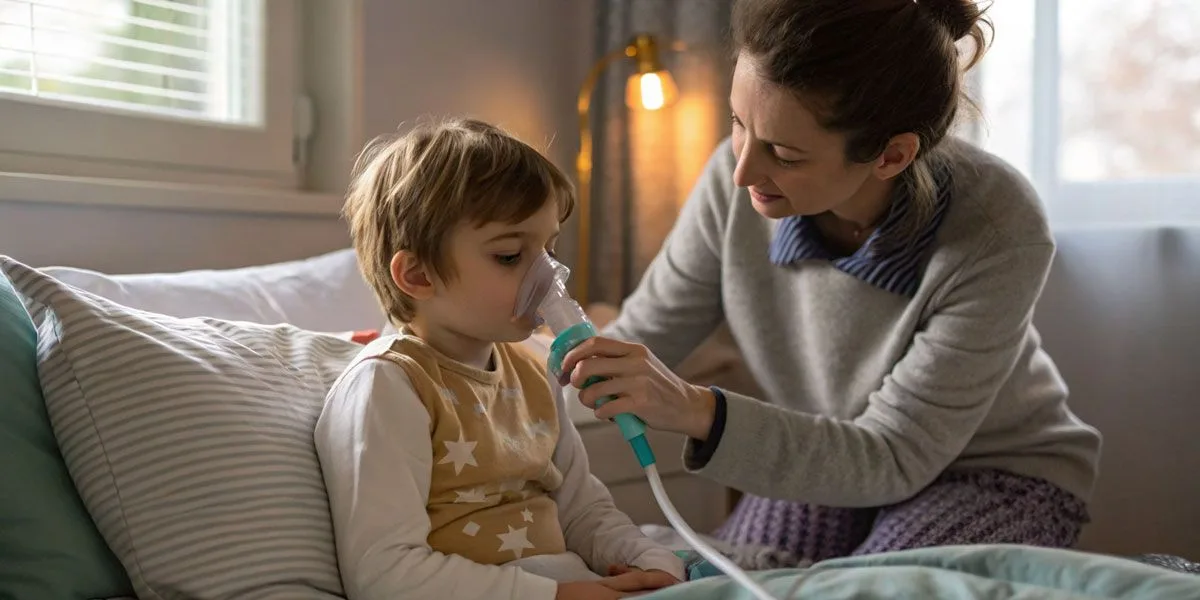
This method uses a sealed mask worn over the nose, or over the nose and mouth. The mask connects to a mechanical ventilator that helps the child breathe.
6.2 Invasive Respiratory Support
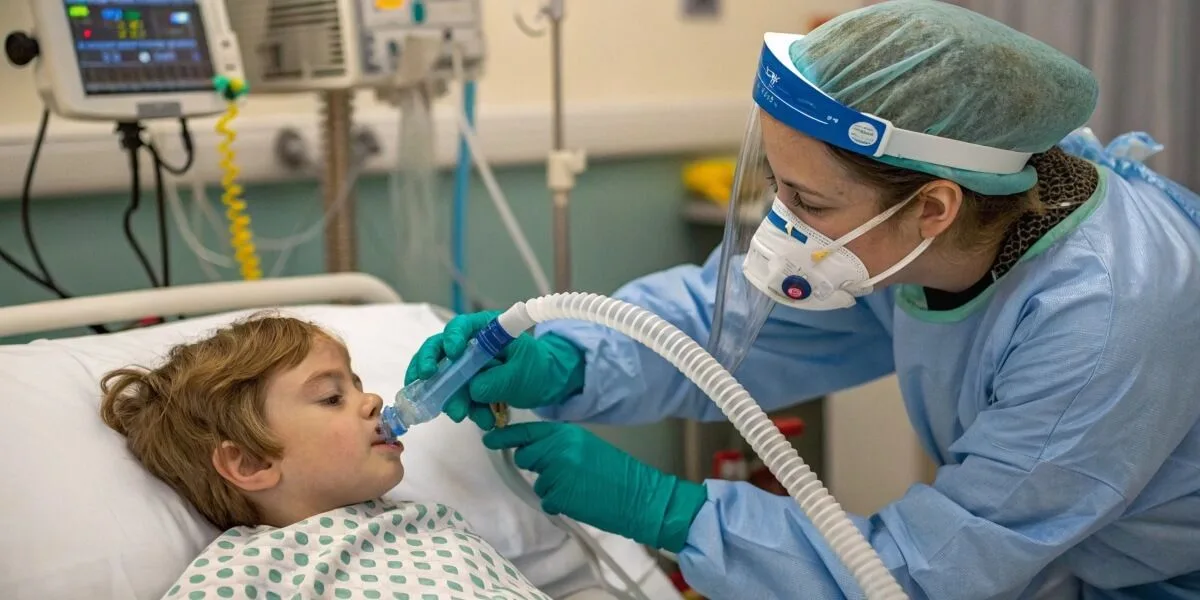
This method involves inserting a special tube (catheter) into the child's airway, through which air from the ventilator is delivered.
-
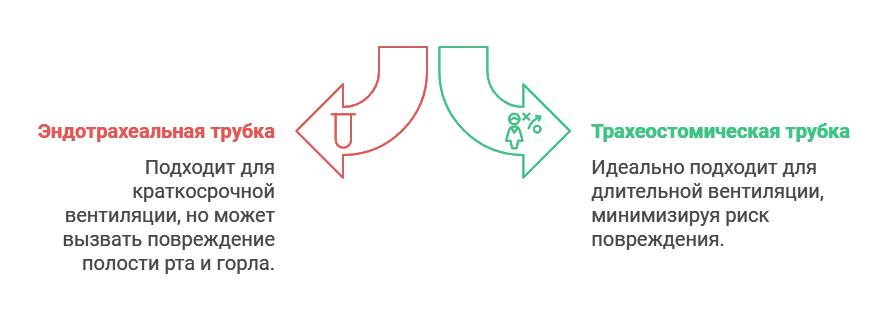
Endotracheal tube: Inserted through the mouth into the trachea. Used for a short period (days to weeks). Prolonged use can damage the mouth and throat.
-
Tracheostomy tube: Inserted into the trachea through a small incision in the neck (a tracheostomy). Used for long-term ventilation.
6.3 Choosing Nighttime Respiratory Support
Children with SMA type I, and some with type II, can have weak, shallow breathing during sleep, leading to impaired gas exchange (hypoventilation).
Invasive respiratory support using a tracheostomy
To prevent hypoventilation, some children need mechanical breathing support during sleep to rest their respiratory muscles. If a child comes down with a cold or the flu, breathing support may be needed even while awake. When oxygen exchange and sleep quality improve, children who had nighttime hypoventilation may sweat less, have fewer headaches, and see improvements in appetite, weight, and mood.
The following are used to improve breathing during sleep:
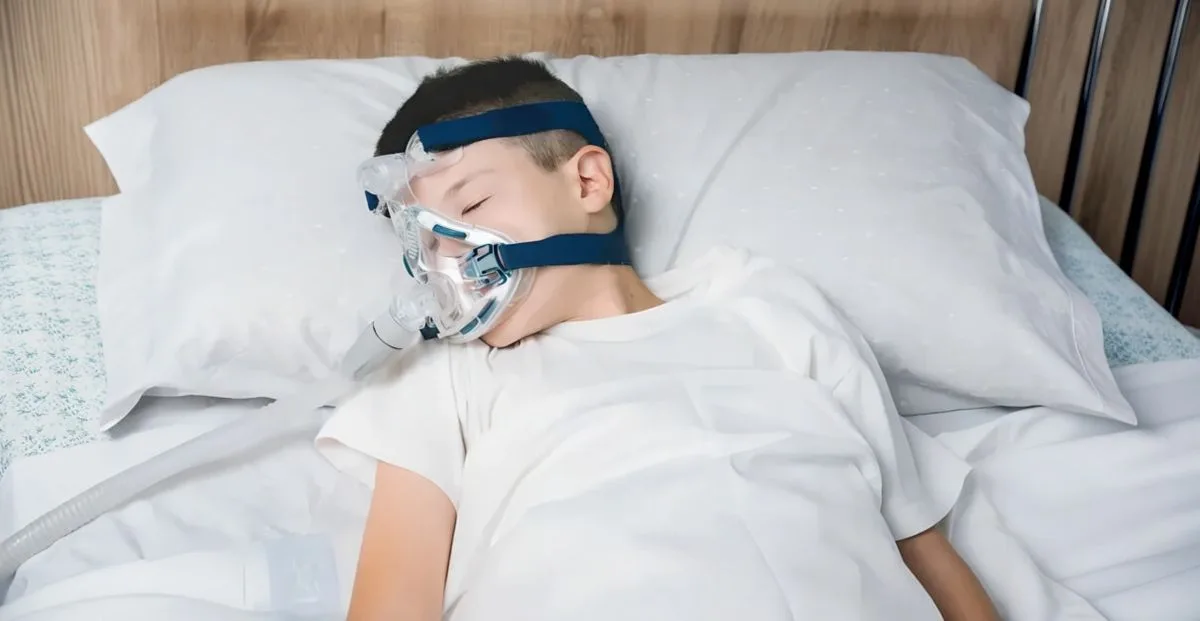
- BiPAP (bilevel positive airway pressure): A device delivers air to the lungs at different pressures during inhalation and exhalation.
Typical BiPAP settings for children with SMA:
-
Inspiratory pressure (IPAP): 14-20 cm H2O
-
Expiratory pressure (EPAP): 3-6 cm H2O
-
Respiratory rate: 14-30 breaths per minute
-
Inspiratory time: 0.5-1.5 seconds
-
Mechanical ventilation: A ventilator with a wider range of settings that allows more precise control of breathing. Can be used during sleep or while awake.
-
Negative pressure ventilator (NPV): Creates negative pressure around the chest, helping it expand and drawing air into the lungs. Rarely used today.
-
Mouthpiece ventilation (Sip-and-Puff): Lets the child control the airflow using their mouth.
Section 7: Caring for a Child With a Cold
7.1 Assessing Mucus Buildup and Mobilizing Secretions
During a cold, children with SMA have an especially hard time clearing mucus from their airways. The following procedures should be performed every 4 hours (or more often, as needed):
- Mobilize secretions: Use the methods described in Section 5.3 (chest physiotherapy, postural drainage, IPV, high-frequency oscillation).
- Use the cough-assist device: Perform 4 sets of 5 breathing cycles.
- Postural drainage: Position the child on an inclined surface for 15-30 minutes.
- Repeat the cough-assist device: Perform 4 sets of 5 breathing cycles.
- Clear mucus from the child's mouth.

7.2 Breathing Support
During a cold, children with SMA may need extra breathing support. If a child normally uses a BiPAP device, make sure it's used for all sleep, including naps. In some cases, breathing support may also be needed while awake.
7.3 Monitoring Oxygen Levels With a Pulse Oximeter
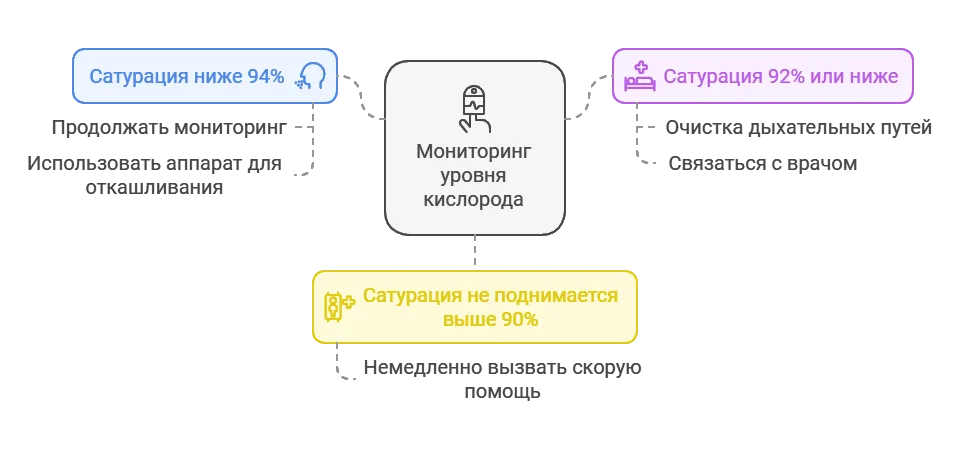
Regularly measure blood oxygen saturation with a pulse oximeter.
Guidelines:
- Saturation below 94%: Use the cough-assist device and continue monitoring saturation.
- Saturation at or below 92%, and the cough-assist device isn't helping: Use the BiPAP device or other breathing support equipment, clear the airway, and contact the doctor.
- Saturation stays at or below 90% despite using BiPAP: Call emergency services immediately.
7.4 Preventing Dehydration
Make sure the child is drinking enough fluids. If there's vomiting, diarrhea, reduced appetite, or refusal to drink, contact the doctor right away.
- Thorough handwashing.
- Avoiding contact with people who are sick.
- Limiting visits to crowded places.
- Protecting the child from tobacco smoke.
- Limiting contact with other children during cold-weather months.
Section 8: The Perioperative Period
8.1 Assessing Respiratory Health Before and After Surgery
Patients with SMA face a higher risk of postoperative complications, such as respiratory infections and breathing problems. A thorough respiratory assessment is needed both before and after surgery.
Preoperative assessment:
- Pulmonologist evaluation
- Measurement of respiratory function and cough strength
- Swallowing assessment (if needed)
- Chest X-ray
- Sleep monitoring (if needed)

8.2 Postoperative Care
The postoperative care plan is based on the results of the preoperative assessment and the type of surgery.
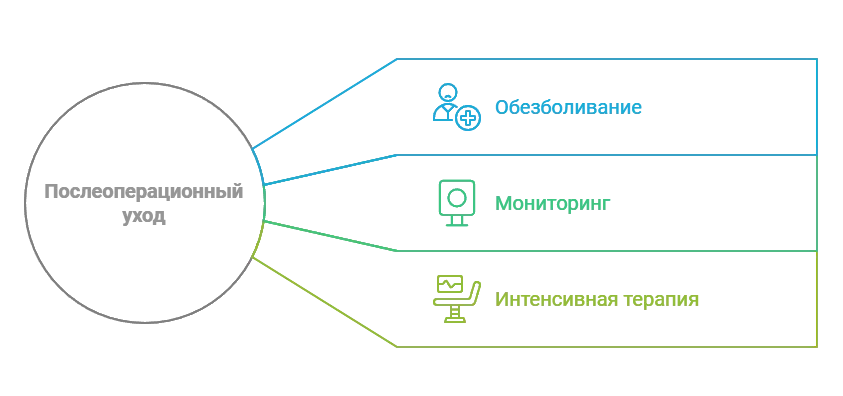
- Pain management: Adequate pain control is important, since pain can lead to shallow breathing and a weak cough, raising the risk of pneumonia.
- Monitoring: Close observation of breathing, especially in the first days after surgery.
- Intensive care: Treatment in an intensive care unit if needed.
Caring for Children With SMA Type I
Children with SMA type I face the most serious health challenges. There's no treatment that can stop or reverse the disease's progression. But proper care can help manage symptoms and improve the child's quality of life.
Breathing Support
Respiratory support needs for children with SMA type I vary from child to child and are hard to predict. The level of support needed can range from none at all to round-the-clock support using a range of methods.
Choices and Challenges in Respiratory Care
Many children adapt well to BiPAP delivered through a nasal mask. But for some children this method doesn't work, due to skin sensitivity, pressure sores, an ill-fitting mask, or the child simply refusing it. In these cases, respiratory therapists can help.
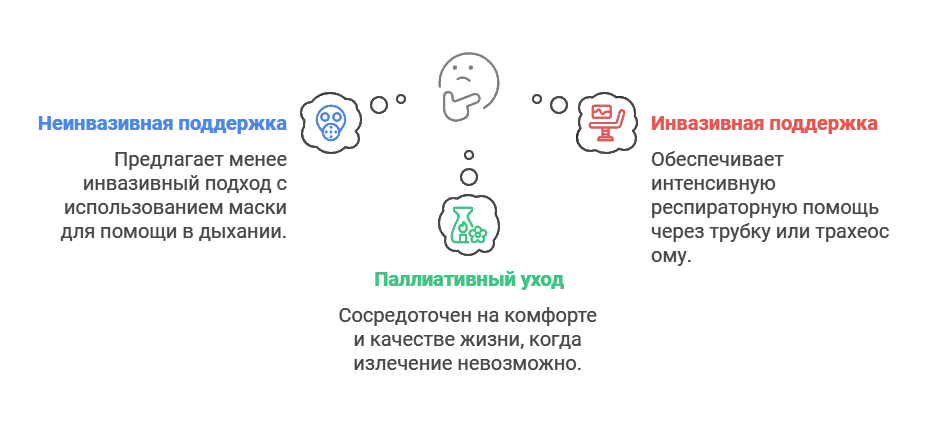
Parents of children with SMA type I often face difficult decisions about respiratory support. The following options should be discussed with the doctor:
- Noninvasive respiratory support: Using a mask connected to a ventilator.
- Invasive respiratory support: Using an endotracheal tube or a tracheostomy.
- Palliative care: Focused on relieving symptoms and providing comfort to the child when a cure isn't possible.
Invasive Respiratory Support — Intubation
In a severe episode, especially during a cold, a child may need to be intubated. This is a temporary measure that helps the child breathe until their condition stabilizes.
After intubation:
- Airway clearance needs to be performed actively.
- The goal is extubation and a return to noninvasive support.
If the child cannot return to noninvasive support, a decision needs to be made about next steps:
- Consulting additional specialists.
- Continuing invasive support.
- Transitioning to palliative care.
Palliative Care
Palliative care focuses on relieving pain and providing comfort to the child. The palliative care plan is developed individually, together with the parents.
The goal of palliative care is not simply to prolong the child's life but to make that life better — not to hasten death, but to make life more comfortable.
In the most severe cases of SMA, parents face agonizing decisions. They may feel that certain treatments only prolong suffering rather than ease it. Where possible, discuss palliative care choices with your family so everyone's views and preferences are heard. As difficult as it may be, it's important to talk through these choices ahead of time, before an emergency arises.
Caring for Children With SMA Type II
Children with SMA type II are generally stronger and have better breathing function than children with SMA type I.
Breathing support
During illness (colds, flu, infections), they may need noninvasive breathing support and help with coughing.
Monitoring
In some cases, children with SMA type II and adults with the condition can develop breathing problems that are hard to pin down, including sleep apnea (pauses in breathing during sleep) and hypoventilation (inadequate lung ventilation).
Regular checkups
- Lung function tests (vital capacity, lung volume, respiratory muscle function tests)
- Physical endurance tests
- Cough effectiveness tests
Key Takeaways ("The Essence of Breathing")
- Breathing problems are the leading cause of illness and death in children with SMA type I and II.
- Respiratory support is vital for children with SMA.
- Weak respiratory muscles in children with SMA make it harder to cough, disrupt breathing during sleep, and increase vulnerability to infection.
- Breathing in children with SMA differs from the norm (diaphragmatic breathing, a bell-shaped chest, a sunken sternum).
- Early consultation with a doctor is needed to develop an individualized respiratory therapy plan.
- Caring for children with SMA type I is especially challenging, and respiratory support needs can vary widely.
- During a cold, most children with SMA type I need additional breathing support.
- Parents of children with SMA type I often face difficult decisions about respiratory support.
- Children with SMA type II less often need a tracheostomy and usually respond well to noninvasive support.
- Children with SMA type II and adult patients can develop hidden breathing problems, which is why regular checkups matter.
Core Elements of a Respiratory Care Program
- Assessment, testing, and monitoring: Regular checkups with a doctor (every 3-6 months) to assess respiratory health and catch potential problems early. Frequent checkups may not be needed for patients with SMA type I.
- Breathing exercises for lung development: Exercises done at home help develop lung function in patients with SMA.
- Coughing and airway clearance: Methods that help patients with SMA cough effectively and clear mucus from the airway, preventing infections and other complications. These include cough-assist devices and manually assisted coughing.
- Clearing airway secretions: Techniques that help loosen and remove mucus from the lungs, especially during a cold. These include chest physiotherapy, postural drainage, intrapulmonary percussive ventilation, and high-frequency chest wall oscillation.
- Measuring oxygen saturation: Using a pulse oximeter to monitor blood oxygen levels. Additional respiratory support is needed if saturation drops.
- Breathing support: Methods that help patients with SMA breathe more easily. These include noninvasive support (using a mask) and invasive support (using an endotracheal tube or a tracheostomy). Patients with SMA type I and II often need support during sleep and during respiratory illness.
- Care during a cold: A set of measures that includes mobilizing secretions, using the cough-assist device, postural drainage, and monitoring saturation.
- Perioperative assessment: Assessing respiratory health before and after surgery to prevent complications.
Home Respiratory Support Equipment
Discuss with your doctor and respiratory therapist which of the devices below your child needs:
-
Cough-assist device (insufflator-exsufflator): Helps with effective coughing.
-
Secretion mobilization devices: May include manual chest percussion sets or mechanical percussion devices.
-
Postural drainage aids: Pillows, wedge-shaped bolsters.
-
Pulse oximeter: For monitoring blood oxygen saturation.
-
BiPAP device or ventilator: For breathing support during sleep or around the clock.
-
Portable suction device: For clearing mucus from the mouth and throat.
Conclusion
Respiratory care is one of the most important parts of comprehensive treatment for children with SMA. Early detection of problems, regular checkups, the use of specialized equipment, and close collaboration with medical professionals all help give a child with SMA the best possible quality of life.